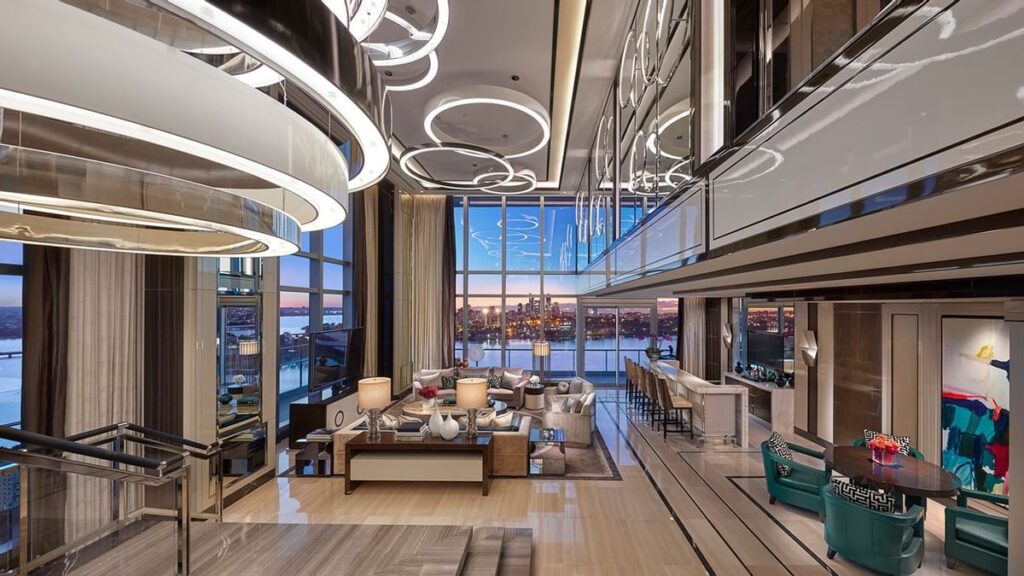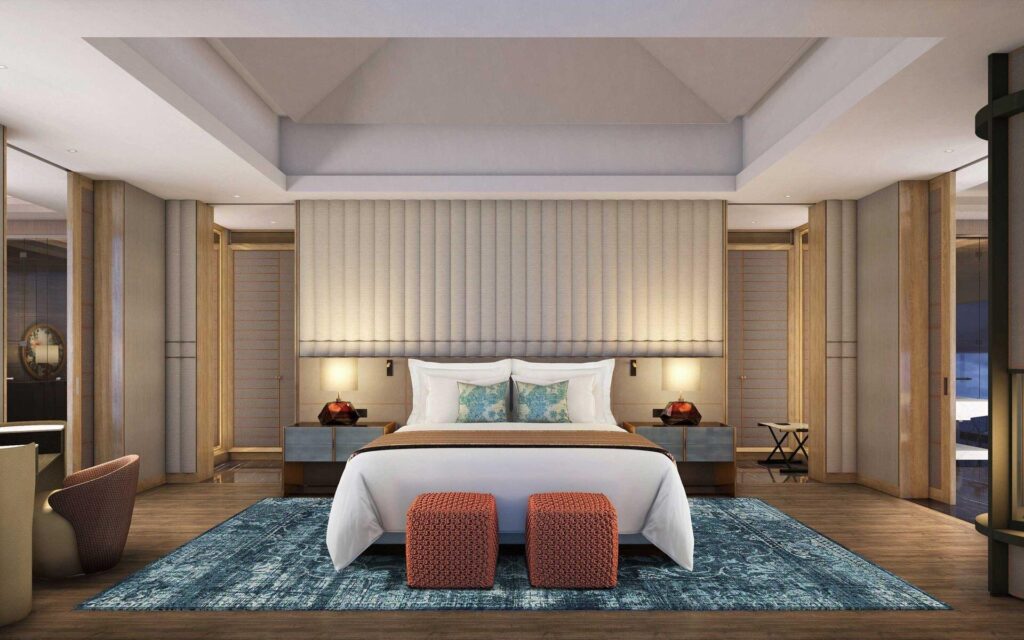
Hotel Furniture Materials: How to Choose for Durability and Maintenance
Review the substrate, veneer, finish, edge treatment and connection details together. A material name alone does not establish how a wardrobe door, tabletop or upholstered seat will perform in its intended location.
Material selection is one of the most important decisions in hotel furniture procurement. A material may look attractive in a sample or showroom, but hotel furniture is exposed to frequent guest use, housekeeping, cleaning chemicals, luggage impact, food and beverage spills, humidity, sunlight, and repeated maintenance.
For this reason, hotel furniture materials should not be selected on appearance alone. The right specification needs to balance design intent, durability, maintenance, comfort, cost, and the conditions of the space where the furniture will be used.
Guestroom furniture, lobby seating, restaurant tables, fixed joinery, and outdoor furniture are exposed to very different operating conditions. This guide explains the main materials used in hotel furniture and how procurement teams, designers, and developers can select suitable materials for long-term hospitality use.
Judge Materials as Part of the Finished Product
Review the substrate, veneer, finish, edge treatment and connection details together. A material name alone does not establish how a wardrobe door, tabletop or upholstered seat will perform in its intended location.
Craftell Home’s project material configuration can differ from residential showroom products. Approve the actual project samples and record those choices before comparing prices or releasing production.
1. Start with the Furniture’s Location and Usage
There is no single material that is suitable for every piece of hotel furniture.
Before specifying materials, the project team should first consider where the furniture will be installed and how frequently it will be used.
Important factors include:
- Guestroom or public-area use
- Indoor or outdoor location
- Frequency of use
- Expected guest traffic
- Exposure to food and beverages
- Exposure to moisture or humidity
- Direct sunlight
- Cleaning frequency
- Type of cleaning products used
- Risk of luggage or equipment impact
- Maintenance and replacement requirements
A bedside table in a guestroom does not experience the same conditions as a restaurant dining table. Likewise, an upholstered lobby sofa used throughout the day requires different performance considerations from a decorative chair in a hotel suite.
Material specifications should therefore be developed according to the actual operating environment rather than applying the same finish throughout the entire hotel.
2. Solid Wood for Hotel Furniture
Solid wood is widely used in hotel furniture for frames, legs, decorative components, table structures, and selected visible surfaces.
Common species may include oak, ash, beech, walnut, rubberwood, and other hardwoods depending on the design, performance requirements, availability, and budget.
Advantages of solid wood include:
- Good structural strength
- Natural appearance
- Ability to create detailed profiles
- Suitable for staining and finishing
- Repairable in many applications
- Appropriate for premium furniture construction
However, wood is a natural material and can react to changes in temperature and humidity. Correct moisture content, timber selection, construction methods, and finishing are therefore important.
For many hotel furniture products, solid wood is used selectively in structural or exposed areas rather than constructing the entire product from solid timber.

3. Plywood, MDF and Engineered Wood
Engineered wood materials are extensively used in hotel furniture and fixed joinery.
Depending on the application, common materials include plywood, MDF, particleboard, and other engineered panels.
Plywood is frequently used where structural stability and screw-holding performance are important.
MDF provides a smooth and consistent surface and is commonly used for painted, lacquered, veneered, or decorative panel applications.
The correct panel should be selected according to the furniture structure, finish, load, moisture exposure, hardware requirements, and applicable project standards.
Typical applications include:
- Wardrobes
- Minibars
- TV units
- Nightstands
- Desks
- Vanities
- Headboards
- Wall panels
- Storage cabinets
- Restaurant fixed furniture
In hospitality furniture, the internal substrate is just as important as the visible finish. Two cabinets may look almost identical externally while using very different internal materials and construction methods.
4. Natural Veneer for Hotel Furniture
Natural wood veneer is widely used when a project requires the appearance of real timber with greater control over panel construction.
Veneer can be applied to suitable engineered substrates to create consistent surfaces for casegoods, wall panels, headboards, wardrobes, tables, and fixed joinery.
Common considerations include:
- Wood species
- Veneer cut
- Grain direction
- Veneer matching
- Stain color
- Surface coating
- Edge treatment
- Batch consistency
For projects with hundreds of guestrooms, veneer matching and finish control are particularly important. An approved sample should establish the acceptable color and grain appearance before mass production.
Because natural wood varies, project teams should also understand that some variation in grain and tone is inherent to the material.

5. HPL and Other Decorative Laminates
High-pressure laminate and other decorative laminates can be practical options for hotel furniture that requires easy maintenance and consistent appearance.
Depending on the specification, laminates can offer:
- Good surface durability
- Consistent color and pattern
- Easy cleaning
- Scratch resistance
- Stain resistance
- Efficient maintenance
- A wide range of decorative finishes
They may be used for desks, cabinets, wardrobes, service furniture, selected restaurant furniture, and other high-use surfaces.
The suitability of a laminate still depends on its grade, substrate, edge construction, and intended application. Particular attention should be paid to edges and joints, as these areas can become vulnerable if they are not properly constructed or sealed.
6. Stone and Sintered Stone Surfaces
Stone surfaces are commonly used in luxury hospitality furniture because they provide a premium appearance and can perform well in selected high-use applications.
Depending on the project, materials may include:
- Marble
- Granite
- Quartz
- Engineered stone
- Sintered stone
Typical applications include coffee tables, side tables, console tables, vanities, minibar tops, restaurant tables, and counters.
Natural marble offers distinctive veining and luxury appeal, but some varieties can be more susceptible to staining, etching, or scratching and may require appropriate sealing and maintenance.
Engineered and sintered surfaces can provide greater consistency and, depending on the specific product, may offer useful resistance to stains, heat, or scratching.
Material selection should therefore consider not only appearance but also the hotel’s cleaning procedures and the expected level of use.
7. Metal in Hotel Furniture
Metal is widely used for furniture frames, table bases, chair legs, decorative trims, handles, screens, and structural components.
Common materials include stainless steel, mild steel, aluminum, and other metals selected according to the application.
Hotel furniture may use finishes such as:
- Polished stainless steel
- Brushed stainless steel
- Powder coating
- Plated finishes
- Antique finishes
- Painted finishes
The correct specification depends on whether the metal is structural or decorative and whether the furniture will be used indoors or outdoors.
For high-touch areas, the finish should also be evaluated for fingerprints, scratching, cleaning, and long-term maintenance.
For coastal or outdoor environments, corrosion resistance becomes particularly important, and the base metal, surface treatment, hardware, and exposure conditions should all be considered together.

8. Upholstery Fabrics for Hotel Furniture
Fabric selection affects appearance, comfort, maintenance, and the service life of upholstered hotel furniture.
Hotel fabrics may be used on:
- Sofas
- Lounge chairs
- Dining chairs
- Headboards
- Banquette seating
- Benches
- Ottomans
- Decorative panels
When specifying upholstery, project teams should consider more than color and texture.
Important factors include:
- Abrasion resistance
- Stain resistance
- Cleanability
- Colorfastness
- Pilling performance
- Seam performance
- Fire-performance requirements
- Suitability for the intended environment
A decorative fabric suitable for a low-use suite accent chair may not be the best choice for restaurant banquette seating that is used continuously and cleaned frequently.
The fabric specification should therefore correspond with the expected level of commercial use.
9. Leather and Performance Alternatives
Leather is frequently used in luxury hotel furniture because of its appearance, tactile quality, and ability to develop character over time.
It may be specified for lounge chairs, sofas, headboards, dining chairs, bar stools, benches, and decorative furniture details.
Different leather types can vary significantly in appearance, protection, consistency, and maintenance requirements.
Depending on the project, performance alternatives may also be considered where easier cleaning, greater consistency, or specific commercial performance is required.
When evaluating leather or alternative upholstery materials, consider:
- Intended use
- Cleaning requirements
- Surface protection
- Color consistency
- Flexibility
- Abrasion performance
- Fire requirements
- Maintenance expectations
10. Foam and Internal Upholstery Materials
The materials inside a sofa or chair are not immediately visible, but they have a major effect on comfort and long-term performance.
Depending on the product, upholstered furniture may contain different combinations of:
- High-density foam
- Multiple foam layers
- Fiber
- Webbing
- Springs
- Structural timber or metal frames
Foam density and firmness should be selected according to the type of furniture and the required seating comfort.
A hotel lobby sofa, restaurant banquette, guestroom lounge chair, and decorative suite sofa may require different internal constructions.
For hospitality procurement, buyers should evaluate the complete upholstery construction rather than specifying only the external fabric.
11. Hardware and Furniture Fittings
Hardware has a direct impact on the functionality and maintenance of hotel casegoods and fixed furniture.
Typical hardware may include:
- Hinges
- Drawer slides
- Handles
- Locks
- Connectors
- Adjustable feet
- Door fittings
- Wardrobe accessories
Hardware for frequently used wardrobes, minibars, drawers, and cabinets should be selected according to expected operating cycles, load, and maintenance requirements.
Soft-close mechanisms may improve the guest experience, but they also need to be correctly installed and accessible for future adjustment or replacement.
For large hotel projects, using standardized hardware across multiple room types can simplify spare-parts management and long-term maintenance.
12. Materials for Hotel Restaurant Furniture
Hotel restaurants create different material challenges from guestrooms.
Dining tables, dining chairs, bar stools, banquette seating, bar counters, and service furniture are exposed to frequent use, food and beverage spills, repeated cleaning, and movement.
Materials should therefore prioritize:
- Easy cleaning
- Stain resistance
- Structural durability
- Stable table surfaces
- Durable upholstery
- Strong chair joints
- Edge protection
- Maintainable finishes
For banquette seating, both the upholstery and internal foam construction should be suitable for repeated commercial use.
For dining tables, the tabletop finish should be selected according to the restaurant concept, cleaning procedures, and expected use rather than appearance alone.
13. Materials for Outdoor Hotel Furniture
Outdoor hotel furniture requires a different material strategy from indoor furniture.
Products may be exposed to UV radiation, rain, humidity, temperature changes, salt air, pool water, and frequent cleaning.
Depending on the project and environment, outdoor furniture may use:
- Powder-coated aluminum
- Suitable stainless steel
- Outdoor-grade timber
- Weather-resistant synthetic materials
- Outdoor fabrics
- Quick-dry foam
- UV-resistant finishes
- Corrosion-resistant hardware
Material selection should also consider drainage and drying performance.
For coastal resorts and poolside environments, moisture and corrosion resistance become especially important. The furniture structure, upholstery, hardware, coatings, and internal materials should therefore be developed as a complete outdoor system.
14. Fire, Safety and Project Compliance Requirements
Material selection should also take project-specific regulatory and performance requirements into account.
Depending on the destination, hotel brand, furniture category, and project specification, requirements may apply to upholstery fabrics, foam, composite wood products, coatings, electrical components, or complete furniture assemblies.
Procurement teams should confirm applicable requirements before material approval and mass production rather than waiting until the final inspection stage.
Where testing or certification is required, the exact material combination should also be considered. Changing fabric, foam, substrate, coating, or another component after approval may affect the relevance of previously completed testing.
15. Consider Cleaning and Maintenance Before Approving Materials
One of the most practical questions during hotel furniture material selection is:
How will this material be cleaned and maintained after the hotel opens?
A beautiful finish that requires difficult or highly specialized maintenance may not be appropriate for every hospitality environment.
Before approval, consider:
- Daily housekeeping procedures
- Cleaning frequency
- Approved cleaning chemicals
- Stain removal
- Repairability
- Replacement availability
- Touch-up procedures
- Spare materials
- Long-term finish consistency
Materials used in frequently touched or heavily used areas should be particularly easy to maintain.
Hotels can also retain approved finish samples, fabrics, leather references, hardware specifications, and other material records for future repairs or replacement orders.
16. Approve Physical Samples Before Mass Production
Material names and digital images are not enough for final approval.
Before mass production, the project team should review physical samples of key materials and finishes.
A typical hotel furniture material approval package may include:
- Wood and veneer samples
- Stain and lacquer samples
- Metal finish samples
- Stone samples
- Fabric samples
- Leather samples
- Laminate samples
- Hardware samples
For important custom furniture, these materials should also be reviewed on an actual furniture prototype whenever possible.
A finish can look different when applied to a complete table, wardrobe, headboard, or chair than it does on a small sample.
Approved samples should therefore become the reference standard for mass production and subsequent quality control.
17. Hotel Furniture Material Selection Checklist
Before approving materials for a hotel furniture project, procurement teams should verify:
- Intended furniture application
- Indoor or outdoor use
- Expected frequency of use
- Structural requirements
- Surface durability
- Upholstery performance
- Moisture resistance
- UV exposure
- Corrosion resistance
- Stain and cleaning requirements
- Fire and safety requirements
- Required testing or certification
- Maintenance procedures
- Repairability
- Replacement availability
- Approved physical samples
- Batch consistency requirements
Material selection should ultimately balance design, performance, maintenance, and project budget rather than optimizing only one of these factors.
From Material Selection to Long-Term Hotel Performance
The performance of hotel furniture begins long before manufacturing.
Selecting the correct substrate, timber, veneer, metal, stone, upholstery, foam, hardware, and surface finish can influence how furniture looks, feels, performs, and is maintained throughout its service life.
The most suitable material is not necessarily the most expensive material. It is the material that meets the design intent while performing appropriately in its actual hospitality environment.
Craftell Home works as a Custom Furniture Manufacturer & FF&E Project Supplier, supporting hotel projects with material development, furniture engineering, sampling, custom manufacturing, quality control, export packaging, and project delivery coordination.
By reviewing materials together with furniture construction, usage conditions, cleaning requirements, and project standards, hotel teams can make more informed decisions before samples are approved and mass production begins.
Hotel Furniture Procurement Questions
What are the most common materials used in hotel furniture?
Hotel furniture commonly uses solid wood, plywood, MDF, natural veneer, decorative laminates, metal, stone, fabric, leather, foam, and furniture hardware. The specific combination depends on the furniture type, design, budget, and required performance.
Is solid wood always better for hotel furniture?
No. Solid wood can provide strength and a premium appearance, but it is not necessarily the best material for every component. Hotel furniture often combines solid timber with plywood, MDF, veneer, metal, and other materials according to structural and decorative requirements.
Is MDF suitable for hotel furniture?
MDF can be suitable for many hotel furniture and fixed-joinery applications when correctly specified. It is commonly used for veneered, lacquered, painted, and decorative panels. The appropriate substrate should be selected according to load, moisture exposure, hardware requirements, and the intended application.
Which upholstery material is best for hotel furniture?
There is no single best upholstery material for every hotel application. Selection should consider abrasion resistance, stain resistance, cleanability, colorfastness, fire requirements, comfort, appearance, and frequency of use.
What materials are suitable for hotel restaurant furniture?
Restaurant furniture generally benefits from durable, easy-to-clean surfaces, stable table construction, strong chair frames and joints, commercial-grade upholstery, and materials that can withstand frequent spills and cleaning.
What materials should be used for outdoor hotel furniture?
Outdoor furniture should use materials suitable for the specific climate and exposure conditions. These may include powder-coated aluminum, appropriate stainless steel, outdoor-grade timber, weather-resistant synthetic materials, outdoor fabrics, quick-dry foam, UV-resistant finishes, and corrosion-resistant hardware.
How can hotels reduce furniture maintenance costs?
Maintenance can be reduced by selecting materials appropriate to the actual use environment, standardizing hardware where practical, choosing cleanable and repairable finishes, keeping approved material records, and considering replacement availability during the original specification stage.
Should hotel furniture materials be approved before mass production?
Yes. Physical material and finish samples should be reviewed and approved before mass production. For important custom items, approval on a furniture prototype is preferable because it allows the project team to evaluate the materials together with the actual construction, scale, and workmanship.
Published by Craftell Home · Custom Furniture Manufacturer & FF&E Project Supplier
Related hotel furniture project
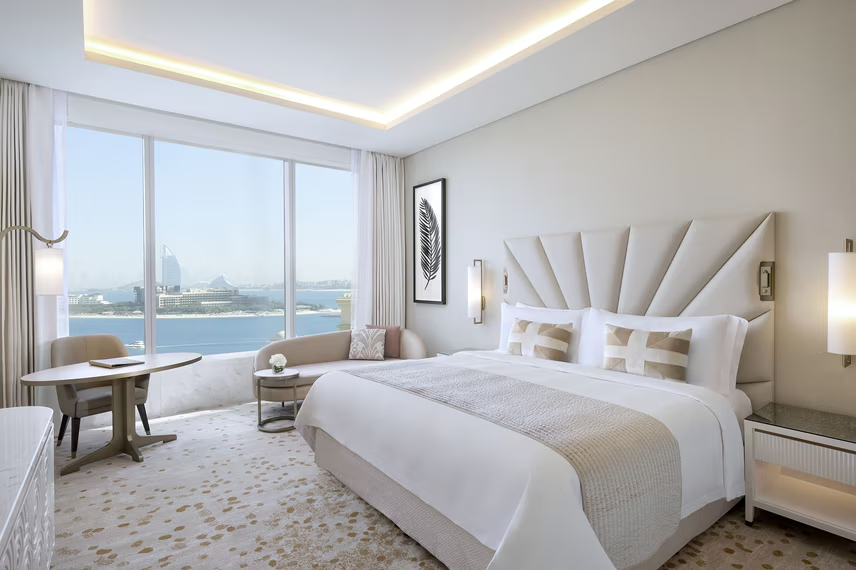
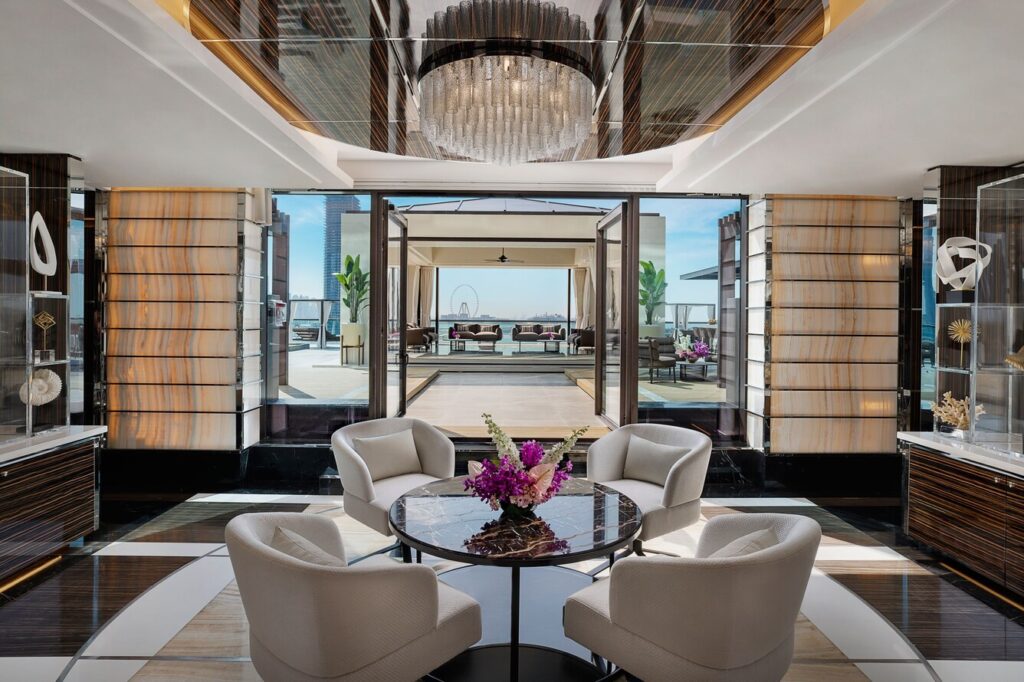
Our published The St. Regis Dubai, The Palm project describes the supply of loose and fixed furniture, sleep systems, outdoor furniture and decorative lighting. Review the stated supply scope when assessing its relevance to your own project.
This article provides manufacturing and procurement guidance. The final product configuration, acceptance criteria and delivery scope are defined by the approved drawings, specifications, samples and order documents for each project.
Explore Related Hotel Project Resources
Continue with our hotel project solutions and selected hospitality projects.