Custom Hotel Furniture Manufacturing Process: From Drawing to Mass Production
Record the drawing revision, material codes and sample approval together before releasing a repeated hotel item. A change to upholstery, hardware or dimensions should be reflected in that reference before it reaches the next manufacturing stage.
Custom hotel furniture manufacturing is a structured process that transforms an interior designer’s concept, furniture drawings and material specifications into finished products that can be produced consistently across guestrooms, suites and public areas.
Unlike standard furniture production, hotel projects often involve different room types, customized dimensions, multiple materials and finishes, and a large number of repeated furniture items. A single project may include beds, headboards, nightstands, desks, wardrobes, minibars, sofas, lounge chairs, dining furniture, banquette seating, bar counters and other custom joinery.
For this reason, successful mass production depends on what happens before the production line starts. Technical drawings, materials, finishes, prototypes and quality standards should be clearly defined and approved so that the design can be reproduced consistently throughout manufacturing.
This guide explains the custom hotel furniture manufacturing process from the initial project drawings through engineering, sampling, production, quality control and final preparation for delivery.
Keep One Approved Reference Through Production
Record the drawing revision, material codes and sample approval together before releasing a repeated hotel item. A change to upholstery, hardware or dimensions should be reflected in that reference before it reaches the next manufacturing stage.
Craftell Home’s custom project factory handles development and paint finishing, with final acceptance, packing and dispatch at the same facility. Inspection should use the same approved references as production.
1. Review the Project Drawings and Furniture Schedule
The manufacturing process begins with a technical review of the project information.
The manufacturer may receive:
- Interior design drawings
- Furniture schedules
- BOQ
- Furniture dimensions
- Reference images
- Material specifications
- Finish schedules
- Fabric and leather specifications
- Hardware requirements
- Room-type information
- Project quantities
These documents should be reviewed together rather than individually.
For example, a furniture schedule may identify a bedside table and its quantity, while the design drawings show its proportions and location, and the material specification defines the veneer, metal finish and hardware.
At this stage, the manufacturer should identify missing information, conflicting dimensions, unclear construction details and materials that require further confirmation.
The objective is to resolve technical questions before shop drawings and samples are developed.
2. Develop Production-Ready Shop Drawings
Design drawings communicate the appearance and design intent of the furniture, but custom manufacturing normally requires more detailed technical information.
The manufacturer develops shop drawings that translate the design into a buildable product.
Depending on the furniture item, shop drawings may define:
- Overall dimensions
- Internal dimensions
- Construction methods
- Material thickness
- Joinery details
- Veneer direction
- Upholstery construction
- Foam specifications
- Metal components
- Stone or glass details
- Hardware
- Electrical provisions where applicable
- Finishes
- Installation details
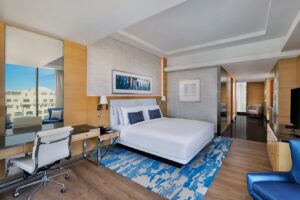
This stage is particularly important for complex hotel furniture such as headboards, wardrobes, minibars, built-in desks, vanities, banquette seating, bars, reception counters and wall panels.
Shop drawings should be reviewed and approved before the corresponding furniture enters production.
3. Confirm Materials and Finishes
Once the furniture construction has been defined, materials and finishes need to be confirmed.
A custom hotel furniture project may include:
- Solid wood
- Plywood
- MDF and engineered panels
- Natural veneer
- Laminate
- Paint and lacquer
- Metal
- Stone
- Sintered stone
- Glass
- Fabric
- Leather
- Foam
- Decorative hardware
Material selection should follow the approved project specification while also considering the furniture’s construction, performance and intended use.
Physical samples are particularly important for finishes that can vary visually, such as natural veneer, wood stain, paint, stone, metal finishes, fabric and leather.
Approved samples should be clearly identified and retained as references for subsequent production.

4. Source and Inspect Raw Materials
After materials are approved, the required raw materials can be prepared for sampling and production.
Material procurement should follow the approved specifications rather than allowing uncontrolled substitutions during manufacturing.
Incoming materials may be checked for:
- Material type
- Dimensions and thickness
- Color
- Grain
- Surface quality
- Fabric or leather reference
- Hardware model
- Quantity
- Visible defects
For natural materials such as wood veneer and stone, visual variation may occur. Materials may therefore need to be sorted and matched according to the approved appearance and the location where they will be used.
Early material inspection helps prevent unsuitable materials from entering production.

5. Produce the First Prototype
Before mass production, a prototype is produced for important custom furniture items.
The purpose of the prototype is to verify whether the approved drawing can be translated successfully into a physical product.
The project team can review:
- Overall dimensions
- Proportions
- Structural stability
- Comfort
- Ergonomics
- Material application
- Finish quality
- Upholstery
- Stitching
- Hardware
- Functional details
- Overall appearance
A drawing may appear correct technically but still require adjustments once the furniture is physically produced.
For seating products, for example, seat height, depth, back angle and foam combination can significantly affect comfort. For casegoods, door clearances, drawer operation, hardware and construction details may need physical verification.
6. Complete the Mock-Up and Approval Process
For major hotel projects, individual prototypes may be followed by a complete mock-up room.
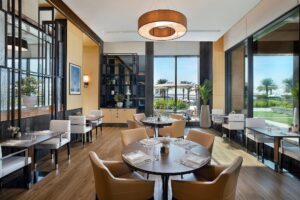
A mock-up guestroom allows furniture to be reviewed within the actual design context.
This may include:
- Bed and bed base
- Headboard
- Nightstands
- Desk
- Desk chair
- Lounge chair
- Side table
- Sofa
- Coffee table
- Luggage bench
- Wardrobe
- Minibar
- TV unit
- Vanity
- Fixed furniture
The mock-up stage allows the owner, designer, procurement team and other project stakeholders to review how furniture dimensions, materials, finishes and proportions work together.
Comments and revisions should be documented clearly.
Once the required changes have been completed, the final approved drawings, materials, finishes and samples become the reference standards for mass production.
7. Prepare for Mass Production
Mass production should begin only after the required technical and material approvals are completed.
Before production starts, the factory should confirm:
- Final approved shop drawings
- Approved materials
- Approved finishes
- Approved prototype
- Final quantities
- Room types
- Furniture item codes
- Production schedule
- Quality standards
- Packaging requirements
For large hotel projects, production planning may divide furniture by product category, room type, production batch or required delivery sequence.
This preparation helps ensure that the manufacturing departments are working from the same approved information.
It also reduces the risk of an outdated drawing or unapproved material being used during mass production.
8. Woodworking and CNC Machining
For wood furniture and casegoods, production may begin with panel cutting, solid wood preparation, CNC machining and component processing.
Depending on the furniture design, operations can include:
- Panel cutting
- CNC routing
- Drilling
- Edge processing
- Solid wood machining
- Frame construction
- Joint preparation
- Component shaping
Accurate machining is important because dimensional errors introduced at this stage can affect assembly, hardware alignment and the final appearance of the furniture.
For repeated guestroom furniture, CNC processing can also help maintain consistency across larger production quantities.
9. Veneer, Surface Preparation and Finishing
After the basic furniture components have been prepared, decorative surfaces and finishes are developed according to the approved samples.
Depending on the design, this stage may include:
- Veneer selection and matching
- Veneer pressing
- Sanding
- Edge finishing
- Staining
- Painting
- Lacquering
- Metal finishing
- Surface polishing
Natural veneer requires particular attention because grain and color can vary from sheet to sheet.
For hotel projects containing large quantities of repeated furniture, veneer selection and finish control should help keep the appearance within the approved project standard.
Finishing should be compared against the approved physical sample rather than relying only on digital photographs or color references.
10. Upholstery Production
Hotel sofas, lounge chairs, dining chairs, headboards, benches and banquette seating require a separate upholstery production process.
Depending on the product, this may include:
- Internal frame preparation
- Webbing or spring installation
- Foam cutting and shaping
- Foam layering
- Fabric or leather cutting
- Sewing
- Upholstery fitting
- Decorative stitching
- Final finishing
The upholstery team should follow approved fabric or leather references and the approved prototype.
For repeated products, details such as seam position, piping, tufting, stitching and pattern direction should remain consistent across the production batch.
Comfort should also remain consistent with the approved sample.
11. Assemble Furniture and Install Hardware
After individual components are completed, furniture moves into assembly.
This stage brings together wood components, upholstery, metal parts, stone, glass and hardware where required.
Assembly checks may include:
- Overall dimensions
- Joint alignment
- Door alignment
- Drawer operation
- Hardware installation
- Structural stability
- Gaps and clearances
- Leveling
- Functional components
For wardrobes, minibars, cabinets and other functional furniture, doors, drawers, hinges, runners and other hardware should operate correctly before final inspection.
Assembly is also an important stage for identifying issues that may not have been visible while components were manufactured separately.
12. Control Quality During Mass Production
Quality control should continue throughout mass production rather than being limited to a final inspection.
Production-stage inspections can compare furniture against:
- Approved shop drawings
- Approved material samples
- Approved finish samples
- Approved prototypes
- Project specifications
Checks may cover:
- Dimensions
- Construction
- Structural stability
- Woodwork
- Veneer
- Finish
- Color
- Upholstery
- Stitching
- Hardware
- Alignment
- Function
For projects involving several production batches, maintaining the same reference standards helps reduce variation between furniture manufactured at different times.
Any non-conforming products should be identified and corrected before they move to final packing.
13. Conduct Final Inspection Before Packing
Once furniture is completed, a final inspection should be carried out before packaging.
The inspection may confirm:
- Correct item
- Correct quantity
- Dimensions
- Finish
- Color
- Upholstery
- Hardware
- Function
- Cleanliness
- Labels
- Visible damage
For project furniture, item codes and quantities should also be checked against the furniture schedule or packing requirements.
Furniture should only move to the packaging stage after the required inspection has been completed.
This reduces the risk of discovering manufacturing problems after products have already been packed or shipped.

14. Package and Label the Finished Furniture
Packaging is the final manufacturing-stage protection before furniture enters the logistics process.
The packaging method should reflect the product’s size, structure, materials, finishes and transportation requirements.
Protection may include:
- Foam
- Protective film
- Corner protectors
- Cartons
- Reinforced packaging
- Wooden crates where required
For hotel projects, clear labeling is particularly important.
Labels may identify:
- Project name
- Item number
- Product description
- Room type
- Floor
- Area
- Quantity
- Package number
This information helps the logistics and site teams identify furniture after it leaves the factory and can simplify receiving, distribution and installation at the hotel.
15. From Mass Production to Project Delivery
After manufacturing, inspection and packaging are completed, furniture is prepared for shipment according to the project delivery schedule.
Depending on the project, shipments may be organized by:
- Furniture category
- Room type
- Building
- Floor
- Hotel area
- Installation sequence
- Delivery phase
Container loading should be planned to protect the furniture while making efficient use of available space.
For international projects, manufacturing information and packaging identification should remain coordinated with the shipping documents and project-site receiving plan.
The manufacturing process is therefore not complete simply when the furniture leaves the production line. The finished products must also be prepared correctly for the next stage of the project.

From Drawing to Mass Production
Custom hotel furniture manufacturing is a controlled sequence rather than a single production step.
A typical process can follow:
Project Drawings → Technical Review → Shop Drawings → Material Approval → Raw Material Preparation → Prototype → Mock-Up Approval → Production Planning → Woodworking & CNC → Finishing → Upholstery → Assembly → Quality Control → Final Inspection → Packaging → Shipment
Each stage establishes information or standards required by the next.
For large hotel projects, completing technical approvals before mass production and maintaining approved references throughout manufacturing helps improve consistency across different furniture items, room types and production batches.
Craftell Home works as a Custom Furniture Manufacturer & FF&E Project Supplier, supporting international hospitality projects with custom loose furniture, fixed furniture and joinery, outdoor furniture, sleep systems and decorative lighting.
The manufacturing process can support projects from technical drawing development and material sampling through prototype development, mass production, quality control, export packaging and international delivery coordination.
Hotel Furniture Procurement Questions
What information is required before custom hotel furniture manufacturing begins?
The manufacturer typically needs furniture drawings, dimensions, furniture schedules or BOQ, quantities, room types, material specifications, finishes, fabrics, hardware requirements and relevant project standards.
Why are shop drawings required for custom hotel furniture?
Shop drawings convert design intent into production information. They define dimensions, construction, materials, hardware, finishes and other technical details required to manufacture the furniture accurately.
Should a prototype be made before mass production?
For important customized furniture, a prototype is recommended. It allows the project team to verify dimensions, construction, comfort, materials, finishes, upholstery, hardware and workmanship before larger quantities are produced.
What is a hotel furniture mock-up room?
A mock-up room is a sample hotel guestroom fitted with the proposed furniture and interior elements. It allows the owner, designer and project team to review the complete room before mass production.
How are approved finishes maintained during mass production?
Approved physical samples should be retained as production and inspection references. Wood tones, veneer, paint, metal finishes, stone, fabric and leather can then be compared against these standards throughout production.
How is quality controlled during hotel furniture manufacturing?
Quality control can take place at several stages, including incoming material inspection, production-stage checks, dimensional inspection, finish control, upholstery inspection, hardware testing, assembly checks and final pre-packing inspection.
How long does custom hotel furniture manufacturing take?
The production period depends on project size, furniture complexity, material availability, sample approvals, quantities and required delivery sequence. A realistic schedule should be established after the project scope and technical requirements have been reviewed.
What happens after hotel furniture mass production is completed?
Finished furniture is inspected, labeled and packaged before shipment. For international projects, the manufacturer may also coordinate container loading and export delivery according to the agreed project scope.
Published by Craftell Home · Custom Furniture Manufacturer & FF&E Project Supplier
Related hotel furniture project
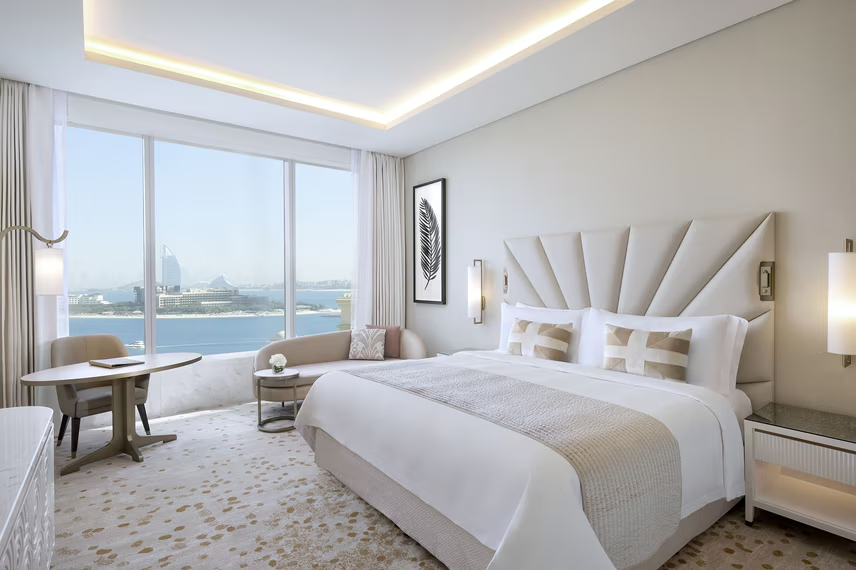
Our published The St. Regis Dubai, The Palm project describes the supply of loose and fixed furniture, sleep systems, outdoor furniture and decorative lighting. Review the stated supply scope when assessing its relevance to your own project.
This article provides manufacturing and procurement guidance. The final product configuration, acceptance criteria and delivery scope are defined by the approved drawings, specifications, samples and order documents for each project.
Explore Related Hotel Project Resources
Continue with our hotel project solutions and selected hospitality projects.