Hotel Furniture Cost Guide: What Affects Pricing for Hospitality Projects?
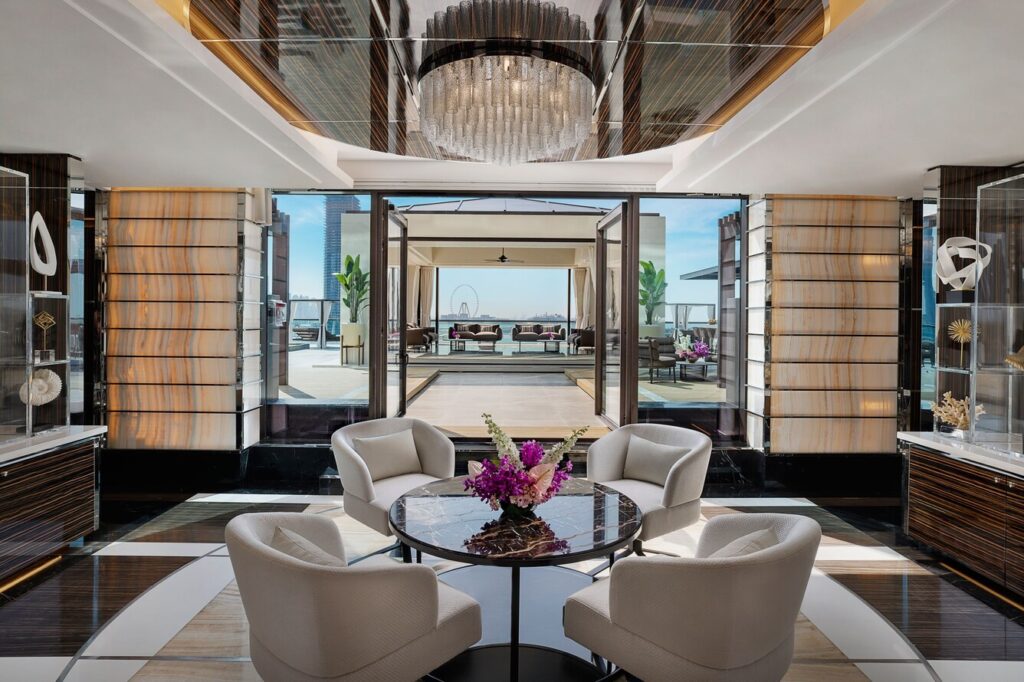
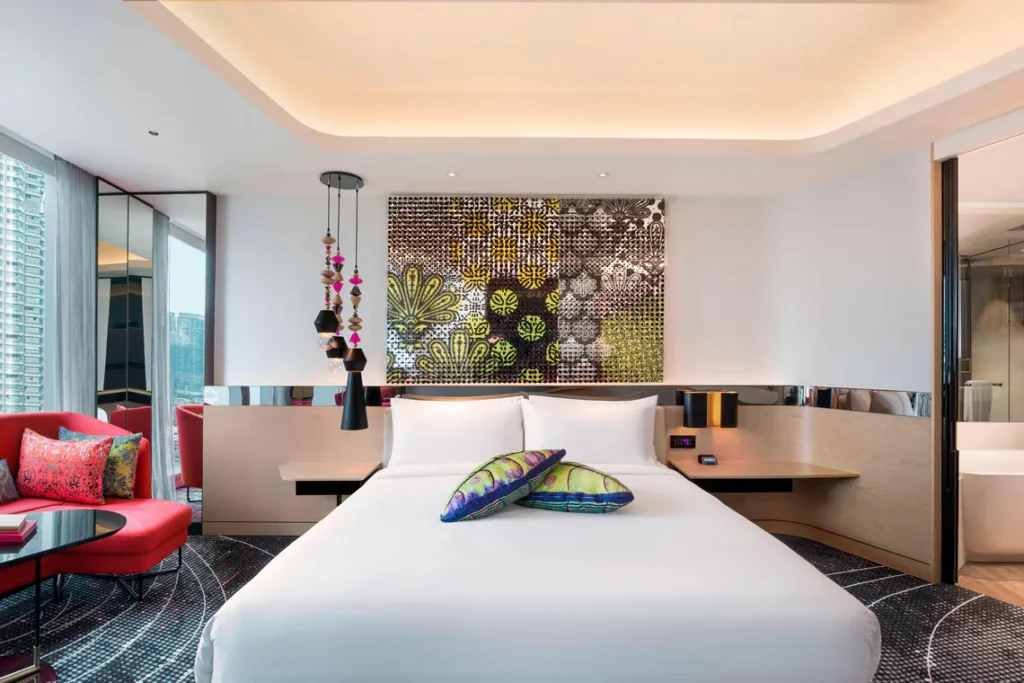
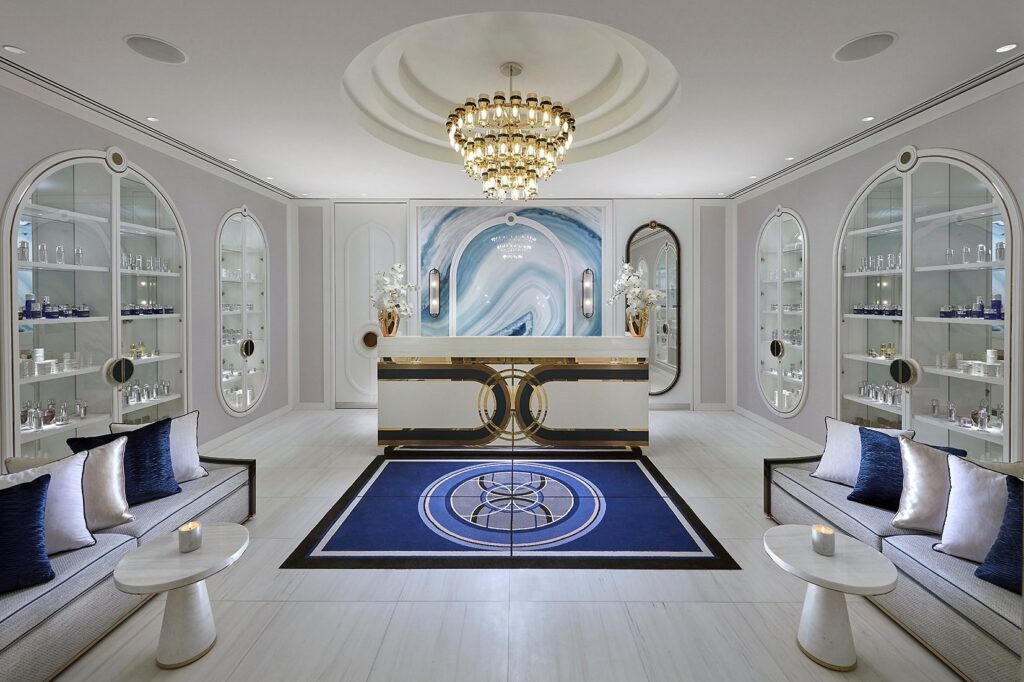
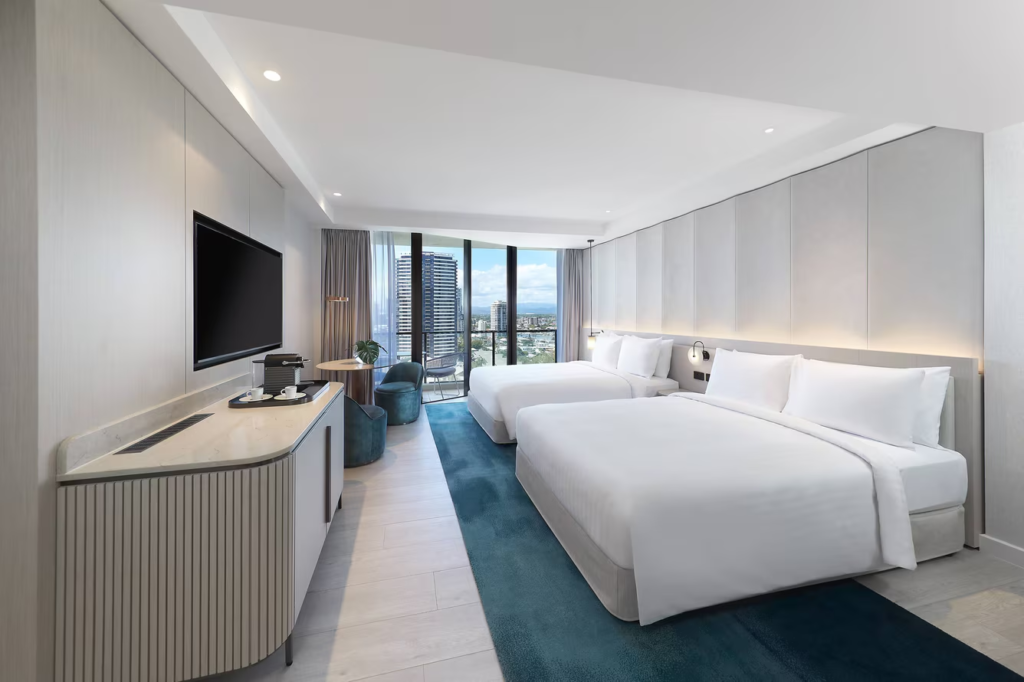
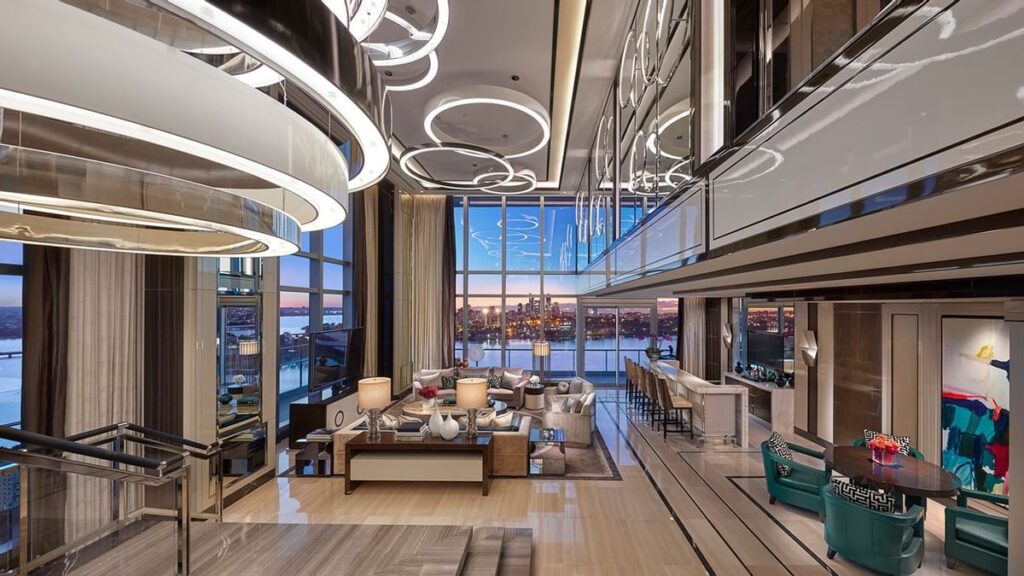
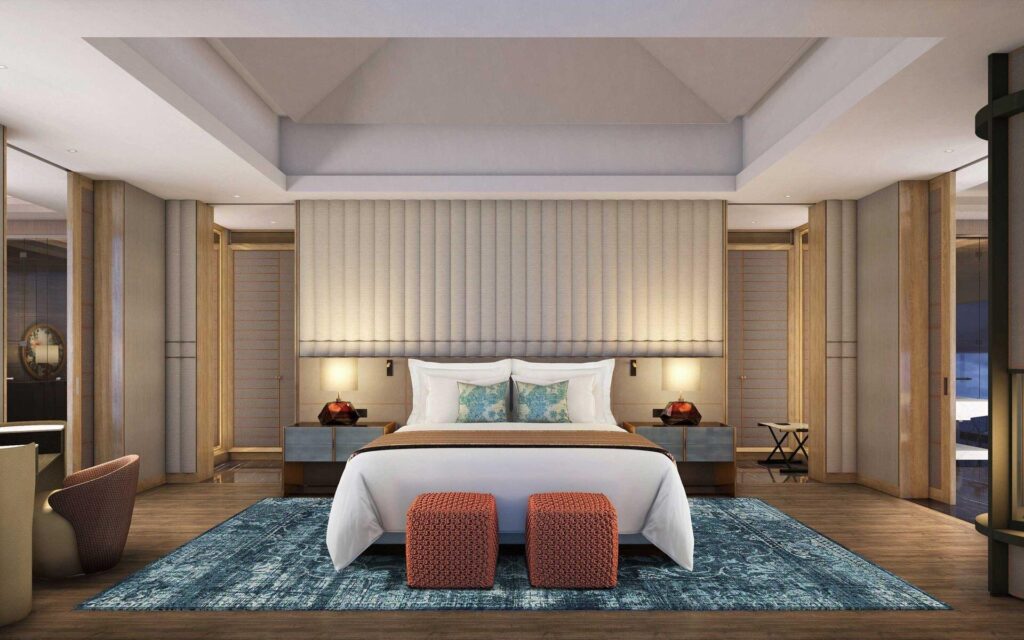
A photograph does not show all the cost decisions inside a bed, sofa or lounge chair. Compare the frame, cushion build, fabric reference, metal finish, hardware and packing basis under the same item code before judging the total. Show alternatives separately so a lower-cost specification is not mistaken for an identical product.
Hotel furniture pricing can vary significantly from one hospitality project to another. Two furniture pieces that appear similar in a rendering may have very different costs once dimensions, construction, materials, finishes, upholstery, hardware, quantities and project requirements are considered.
For hotel owners, developers, procurement companies and contractors, understanding these cost factors is important when preparing an FF&E budget and comparing supplier quotations. The lowest unit price does not always represent the lowest overall project cost. A quotation should be evaluated together with specifications, manufacturing requirements, sampling, quality control, packaging, logistics and installation responsibilities.
This guide explains the main factors that affect custom hotel furniture pricing and what information buyers should prepare to obtain a more accurate project quotation.
Compare the Configuration Behind the Price
A photograph does not show all the cost decisions inside a bed, sofa or lounge chair. Compare the frame, cushion build, fabric reference, metal finish, hardware and packing basis under the same item code before judging the total. Show alternatives separately so a lower-cost specification is not mistaken for an identical product.
These are categories we have developed and manufactured repeatedly, which provides an existing pattern and construction foundation. That reduces uncertainty in estimating materials and work, but does not make every configuration interchangeable. A change in fabric texture, pattern repeat or upholstery detail should be reviewed for both cost and the intended visual result.
1. Furniture Design and Construction Complexity
Furniture design and construction are among the most important factors affecting cost.
A simple bedside table with a standard rectangular structure requires a different manufacturing process from a curved cabinet combining veneer, metal, stone and customized hardware.
Pricing can increase when furniture includes:
- Curved or irregular forms
- Complex joinery
- Multiple materials
- Decorative metal details
- Stone or glass components
- Special hardware
- Integrated lighting or electrical components
- Detailed upholstery
- Custom structural requirements
Even when two furniture items have similar external dimensions, their internal construction may be completely different.
For this reason, custom hotel furniture should ideally be priced from drawings and specifications rather than appearance alone.
2. Furniture Dimensions
Furniture dimensions directly affect material consumption, production requirements and packaging volume.
Larger furniture may require more:
- Wood or engineered panels
- Veneer
- Fabric or leather
- Foam
- Metal
- Stone or glass
- Structural reinforcement
- Packaging material
Dimensions are therefore essential when requesting a quotation.
A reference image without dimensions can provide a design direction, but it is usually not sufficient for accurate project pricing.
For upholstered furniture, dimensions also affect fabric consumption, foam quantities and internal frame construction.
3. Material Selection
Material specifications can create substantial differences in hotel furniture pricing.
Common materials include:
- Solid wood
- Plywood
- MDF and engineered panels
- Natural veneer
- HPL and laminate
- Stainless steel and aluminum
- Stone and sintered stone
- Glass
- Fabric
- Leather
- Decorative hardware
The material name alone does not determine the final cost.
Natural veneer, for example, can vary according to species, grade, grain and sourcing requirements. Stone pricing can vary according to type, thickness, slab selection and fabrication. Fabric and leather costs depend on the selected specification, performance requirements and quantity.
Quotations should therefore identify important material assumptions clearly.
4. Finishes and Surface Treatments
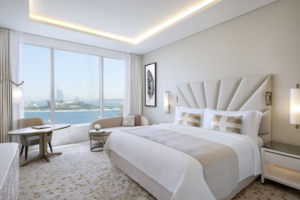
The same base material can have different costs depending on the required finish.
Wood furniture may involve natural veneer finishing, staining, open-pore or closed-pore finishes, painted surfaces, lacquer or high-gloss finishes.
Metal components may use powder coating, brushed finishes, polishing, plating or other decorative treatments.
Some finishes require several stages of sanding, coating, drying and polishing.
For hotel projects, another important consideration is consistency. Producing one approved finish sample is different from reproducing the same appearance across hundreds of furniture pieces.
The required finish should therefore be clearly specified and approved before mass production.
5. Upholstery, Fabric, Leather and Foam
Upholstered furniture introduces additional cost variables.
Hotel sofas, lounge chairs, dining chairs, benches and headboards may differ according to:
- Fabric or leather specification
- Fabric consumption
- Pattern matching
- Foam density and combination
- Internal frame construction
- Webbing or spring systems
- Stitching
- Piping
- Tufting
- Decorative details
Fabric width and pattern repeat can also affect material consumption.
If the project specifies a particular fabric or leather supplier, this information should be included in the quotation request so that different manufacturers are pricing against the same specification.
6. Hardware and Functional Components
Hardware may represent a relatively small part of the visible furniture, but it can influence both price and long-term performance.
Hotel furniture may require:
- Hinges
- Drawer runners
- Handles
- Locks
- Sliding systems
- Wardrobe fittings
- Minibar hardware
- Adjustable feet
- Electrical accessories
- Charging components
Pricing depends on the type, specification, finish, quantity and performance requirements of the hardware.
For frequently used furniture such as wardrobes, minibars and vanities, hardware should be selected not only according to initial cost but also according to expected operational use.
7. Order Quantity and Room Count
Quantity is a major factor in custom hotel furniture pricing.
Hotel projects often contain repeated furniture for standard guestrooms. This allows materials, machining, finishing, upholstery and assembly to be organized into production batches.
Producing one prototype or a small quantity has a different cost structure from manufacturing hundreds of repeated units.
However, total room count alone does not provide enough information for accurate pricing.
A hotel may have 300 guestrooms, but different room types can require different furniture. Public areas may contain highly customized products in much smaller quantities.
Buyers should therefore provide quantities by furniture item and room type rather than only stating the total number of hotel rooms.
8. Guestroom Furniture vs. Public Area Furniture
Guestroom and public-area furniture often have different cost structures.
Guestrooms usually contain repeated furniture such as:
- Headboards
- Nightstands
- Desks
- Chairs
- Luggage benches
- Wardrobes
- Minibars
- TV units
Public areas often contain smaller quantities of more customized furniture, including:
- Custom sofas
- Feature lounge chairs
- Large communal tables
- Banquette seating
- Decorative consoles
- Reception counters
- Bar counters
- Feature joinery
These products may involve more complex construction, specialized materials and additional development work.
A hotel furniture budget should therefore distinguish between repeated guestroom packages and customized public-area furniture.
9. Loose Furniture vs. Fixed Furniture and Joinery
Loose furniture and fixed furniture also have different pricing considerations.
Loose furniture includes movable products such as beds, nightstands, tables, chairs, sofas and benches.
Fixed furniture and joinery may include:
- Headboards and wall panels
- Wardrobes
- Minibars
- Built-in desks
- Vanities
- Reception counters
- Banquette seating
- Bar counters and back bars
- Buffet counters
- Built-in storage
Fixed furniture often requires more detailed coordination with site dimensions, walls, floors, MEP services and adjoining finishes.
Installation requirements can also affect the total project cost.
For this reason, fixed furniture should normally be quoted from detailed drawings, dimensions, materials and installation requirements rather than estimated from reference images alone.
10. Sample, Prototype and Mock-Up Requirements
Sample development is another part of the total cost of a custom hotel furniture project.
Depending on the project, approval may include:
- Material samples
- Finish samples
- Fabric and leather samples
- Hardware samples
- Furniture prototypes
- Mock-up furniture
- Complete mock-up guestrooms
A prototype requires individual engineering, production preparation and manufacturing. It may also need to be modified after review by the designer or project team.
For large projects, however, this process can identify design, construction or material issues before they are repeated across hundreds of products.
Sample and mock-up requirements should therefore be identified during quotation rather than added after production planning has started.
11. Quality and Project Requirements
Hotel furniture is used more frequently than typical residential furniture, and individual projects may specify particular performance requirements.
Depending on the project, destination and furniture category, these may relate to:
- Structural performance
- Furniture stability
- Upholstery performance
- Abrasion resistance
- Fire performance
- Material requirements
- Hardware durability
- Outdoor weather resistance
- Project-specific testing or documentation
Additional specifications, testing and documentation can affect project costs.
These requirements should therefore be identified before quotation whenever possible so that manufacturers are pricing against the same technical basis.
12. Packaging and International Logistics
For international hotel projects, the factory price is only one part of the overall furniture cost.
Furniture needs to be protected during transportation from the factory to the project site.
Depending on the product, packaging may include:
- Foam
- Protective film
- Corner protection
- Cartons
- Reinforced packaging
- Wooden crates where required
Large, fragile or high-finish furniture may require additional protection.
Shipping costs can also be affected by:
- Furniture dimensions
- Packaging volume
- Container utilization
- Number of containers
- Inland transportation
- Port charges
- Sea freight
- Destination handling
- Local transportation
The applicable Incoterm should therefore be clearly stated when comparing quotations.
A factory price should not be compared directly with another quotation that includes additional logistics responsibilities.

13. Packing Standards and Quotation Boundaries
Confirm the transportation method and packing standard before comparing the complete quotation. Full-container and less-than-container shipments can require different protection, handling and packing arrangements.
Our quotation excludes wooden frames and wooden crates. Their requirements and costs are confirmed separately after the shipment method and packing standard have been agreed. Keep these costs identifiable rather than assuming that every factory quotation includes the same protection.
Record the agreed furniture specification, packing basis and delivery terms together so that the quoted scope is clear before production.
14. Project Schedule and Lead Time
Project timing can also affect cost.
A realistic hotel furniture programme usually includes:
Technical Review → Shop Drawings → Material Approval → Sampling → Approval → Material Procurement → Mass Production → Quality Control → Packaging → Shipping
Late drawing approvals, material changes or design revisions can affect both production schedules and costs.
For example, changing an approved finish after materials have already been purchased may require reordering or reprocessing. A shortened manufacturing period may also require changes to production planning.
Price and lead time should therefore be reviewed together.
15. Why Hotel Furniture Quotations Can Be Very Different
When two manufacturers provide significantly different prices for furniture that appears similar, the difference may not simply be profit margin.
The quotations may be based on different assumptions about:
- Internal construction
- Material grade
- Veneer
- Fabric or leather
- Foam
- Hardware
- Metal specifications
- Stone
- Finishes
- Packaging
- Testing
- Installation
- Shipping terms
Before comparing total prices, buyers should confirm that quotations are based on comparable specifications.
A useful comparison should review:
Item → Dimensions → Construction → Material → Finish → Upholstery → Hardware → Quantity → Packaging → Incoterm → Lead Time
This provides a more accurate basis for supplier comparison than evaluating the final quotation total alone.
16. How to Prepare for an Accurate Hotel Furniture Quotation
The accuracy of a quotation depends heavily on the information provided to the manufacturer.
A complete RFQ package should ideally include:
- Furniture schedule or BOQ
- Furniture drawings
- Dimensions
- Quantities
- Room types
- Material specifications
- Finish requirements
- Fabric and leather specifications
- Hardware requirements
- Reference images
- Performance requirements
- Packaging requirements
- Project destination
- Required delivery date
- Installation responsibility
- Required Incoterm
If some specifications have not yet been finalized, they should be identified clearly rather than replaced with assumptions.
The manufacturer can then state the material and construction basis used for preliminary pricing, making later revisions easier to track.

From Furniture Specification to Project Budget
Hotel furniture cost is determined by a combination of design, construction, materials, finishes, quantity, manufacturing requirements and project delivery conditions.
A practical cost structure can be viewed as:
Furniture Design + Materials + Manufacturing + Finishes + Hardware + Upholstery + Sampling + Quality Requirements + Packaging + Logistics + Installation
For this reason, hotel furniture should not be evaluated only by unit price.
Clear specifications allow manufacturers to prepare more accurate quotations and help procurement teams compare suppliers on the same basis. They can also reduce significant price changes after drawings, materials and project responsibilities are finalized.
Craftell Home works as a Custom Furniture Manufacturer & FF&E Project Supplier, supporting international hospitality projects with custom loose furniture, fixed furniture and joinery, outdoor furniture, sleep systems and decorative lighting.
Hotel Cost & Quotation Questions
How is custom hotel furniture priced?
Custom hotel furniture is generally priced according to dimensions, construction, materials, finishes, upholstery, hardware, quantity and manufacturing complexity. Sampling, testing, packaging, shipping and installation requirements can also affect the overall project cost.
Why is custom hotel furniture more expensive in small quantities?
Small quantities distribute engineering, production setup, sample development and manufacturing preparation across fewer units. Larger repeated quantities may allow some manufacturing processes to be organized more efficiently.
Does the number of hotel rooms determine furniture cost?
Room count is important, but it is not sufficient by itself. Different room types may require different furniture, while public areas may contain highly customized products in smaller quantities. Item-by-item quantities provide a more accurate basis for quotation.
Are materials a major factor in hotel furniture pricing?
Yes. Wood, veneer, stone, metal, fabric, leather, foam and hardware specifications can all affect pricing. Material grade, finish, supplier and performance requirements should also be considered.
Does fixed furniture cost more than loose furniture?
Not necessarily. Cost depends on the design and specification. However, fixed furniture often involves additional technical detailing, site coordination and installation requirements.
Are prototypes and mock-up furniture included in project pricing?
This depends on the project agreement. Prototype and mock-up requirements should be identified during quotation so that their cost and approval process are clear.
Does export packaging affect hotel furniture cost?
Yes. Packaging requirements depend on product size, structure, finish, fragility and transportation method. International projects may also require reinforced protection and project-specific labeling.
What information is needed for an accurate hotel furniture quotation?
The most useful information includes drawings, dimensions, quantities, materials, finishes, fabrics, hardware, room types, project destination, packaging requirements, delivery schedule, installation scope and Incoterm.
How should buyers compare hotel furniture quotations?
Compare the technical basis of each quotation, including dimensions, construction, materials, finishes, upholstery, hardware, quantities, packaging, Incoterms and lead time. Comparing only the final price can be misleading.
Comparing delivery terms
The International Chamber of Commerce publishes the Incoterms rules. Identify the agreed rule, named place and applicable version in commercial documents when comparing delivery terms.
Published by Craftell Home · Custom Furniture Manufacturer & FF&E Project Supplier
Related hotel furniture project
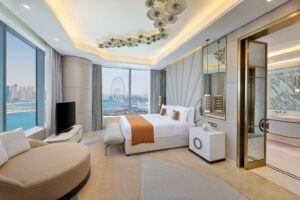
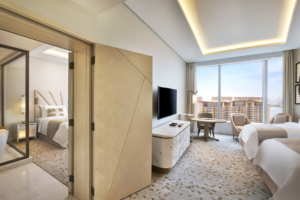
Our published The St. Regis Dubai, The Palm project describes the supply of loose and fixed furniture, sleep systems, outdoor furniture and decorative lighting. Review the stated supply scope when assessing its relevance to your own project.
This article provides manufacturing and procurement guidance. The final product configuration, acceptance criteria and delivery scope are defined by the approved drawings, specifications, samples and order documents for each project.
Explore Related Hotel Project Resources
Continue with our hotel project solutions and selected hospitality projects.