What Is Fixed Furniture? A Guide for Hotel, Residential and Commercial Projects
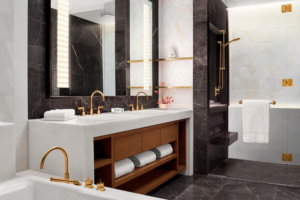
Record what belongs to the furniture package and which adjoining elements are provided separately. A vanity specification, for example, needs to identify the cabinet, countertop, hardware and relevant interface information rather than relying on one room rendering.
Fixed furniture plays an important role in hotel, residential and commercial interiors. Unlike loose furniture, fixed furniture is designed for a specific location and coordinated directly with the architecture, room dimensions, surrounding finishes and functional requirements of the space.
For project buyers, developers, hotel groups, contractors and FF&E procurement teams, sourcing fixed furniture involves more than selecting products. Shop drawings, dimensions, materials, finishes, hardware, construction details and architectural interfaces must all be confirmed before manufacturing begins.
This guide explains the main types of fixed furniture used in different projects, how fixed furniture differs from loose furniture, and the key factors that should be considered during specification, manufacturing and project delivery.
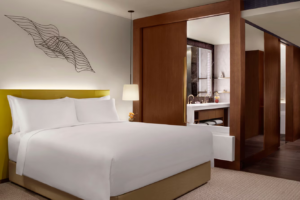
Define the Boundary of Each Fixed Furniture Item
Record what belongs to the furniture package and which adjoining elements are provided separately. A vanity specification, for example, needs to identify the cabinet, countertop, hardware and relevant interface information rather than relying on one room rendering.
Where design information is incomplete, mark the missing detail for confirmation instead of treating an assumption as an approved dimension. A simple interface schedule linking drawings, materials and outstanding decisions helps buyers compare proposals on the same scope and prevents omissions from being discovered after components have been manufactured.
1. What Is Fixed Furniture?
Fixed furniture refers to furniture, cabinetry and architectural joinery that is designed and manufactured for a specific position within an interior space.
Typical fixed furniture includes:
| Headboards & Wall Panels | Wardrobes & Built-In Storage |
| Minibars & TV Units | Built-In Desks & Vanities |
| Reception Counters | Banquette & Booth Seating |
| Bar Counters & Back Bars | Feature Walls & Screens |
| Display Joinery | Service & Buffet Counters |
Unlike standard movable furniture, these products are developed according to project drawings, architectural dimensions, approved materials and finish specifications.
2. Fixed Furniture vs. Loose Furniture
Fixed furniture and loose furniture serve different functions within a project and require different manufacturing processes.
| Fixed Furniture | Loose Furniture |
|---|---|
| Designed for a specific location | Can normally be moved independently |
| Coordinated with architectural dimensions | Coordinated primarily with furniture layouts |
| Often interfaces with walls, floors or ceilings | Usually has fewer architectural interfaces |
| Requires detailed shop drawings | Developed mainly from product drawings |
| Manufactured as project-specific joinery | Manufactured as individual furniture items |
| Site dimensions can affect production | Site dimensions are generally less critical |
For example, a hotel wardrobe may need to coordinate with walls, skirting, ceiling conditions, electrical outlets, lighting and minibar equipment. A lounge chair in the same room does not require the same level of architectural coordination.
3. Why Fixed Furniture Requires Project-Specific Manufacturing
Fixed furniture cannot normally be treated as a standard catalog product because every project has different architectural and functional conditions.
Key variables include:
| Room Dimensions | Architectural Conditions |
| Material Specifications | Finish References |
| Hardware Requirements | Electrical Interfaces |
| Storage Requirements | Functional Requirements |
Even when the same wardrobe, headboard or minibar design is repeated across hundreds of hotel rooms, the manufacturing information must be accurately established before production.
This makes technical development one of the most important stages of a fixed furniture project.
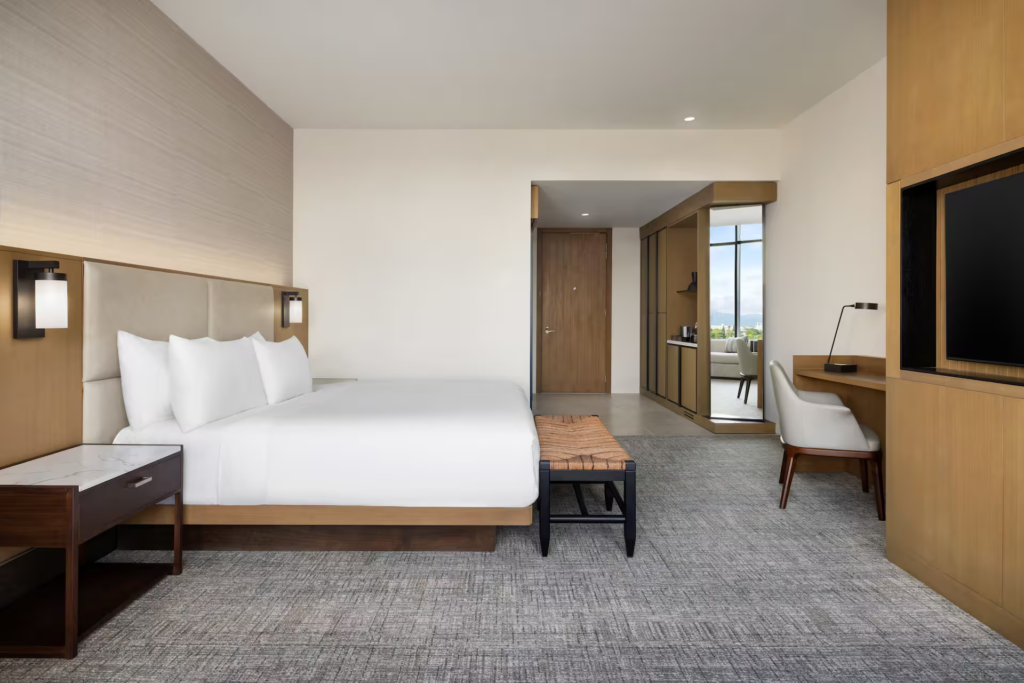
4. Guest Room Fixed Furniture
Hotel guest rooms contain some of the most common fixed furniture applications.
The scope includes:
| Headboards | Wall Panels |
| Wardrobes | Minibars |
| TV Units | Built-In Desks |
| Vanities | Fixed Storage |
These products should be developed as a coordinated system rather than as unrelated individual items.
Headboards may integrate decorative wall panels, bedside details, lighting positions and electrical interfaces. Wardrobes can incorporate hanging space, shelving, drawers, luggage storage, safes and internal lighting. Minibar units may require equipment clearances and ventilation.
For hotels with a large number of repeated guestrooms, accurate technical development also helps maintain consistency throughout production.
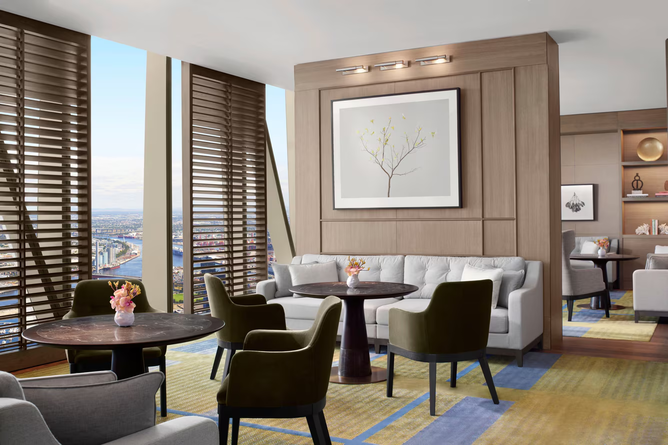
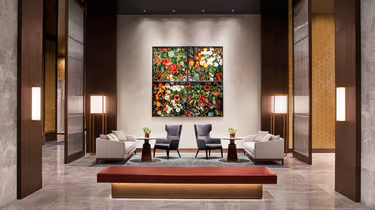
5. Public Area Fixed Furniture
Hotel lobbies, lounges and other public spaces often require larger and more visually prominent fixed furniture.
Typical products include:
| Reception Counters | Concierge Counters |
| Feature Walls | Decorative Screens |
| Built-In Storage | Display Joinery |
| Wall Panels | Custom Architectural Joinery |
Public-area fixed furniture frequently combines several materials within a single design. A reception counter, for example, may incorporate wood veneer, lacquer, metal, stone, glass and integrated lighting.
Material coordination, construction detailing and finish consistency therefore become particularly important.
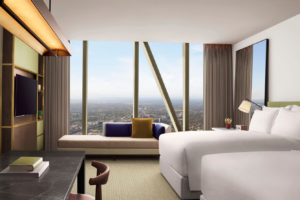
6. Restaurant & Bar Fixed Furniture
Restaurants and bars require fixed furniture that combines visual design with the functional requirements of commercial dining operations.
The scope includes:
| Banquette Seating | Booth Seating |
| Bar Counters | Back Bars |
| Buffet Counters | Service Counters |
| Display Joinery | Feature Joinery |
Banquette and booth seating must coordinate with table positions, circulation routes and seating dimensions. Bar counters and back bars require coordination between decorative finishes, work surfaces, storage, equipment and operational requirements.
These products should therefore be developed in relation to the complete restaurant layout.
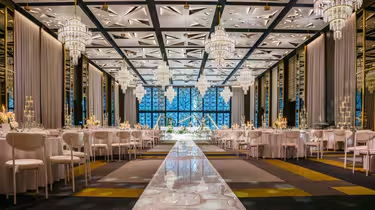
7. Banquet & Meeting Fixed Furniture
Hotels and conference facilities also use fixed furniture within banquet rooms, meeting spaces and event areas.
Typical products include:
| Built-In Storage | Service Counters |
| Bar & Buffet Joinery | Wall Panels |
| Decorative Screens | Equipment Storage |
These areas often require furniture that supports different operational requirements while maintaining a clean architectural appearance.
Built-in storage can conceal equipment and service items, while buffet and service joinery can be developed according to catering and event requirements.
8. Spa Fixed Furniture
Spa interiors require fixed furniture that combines storage, functionality and coordinated interior finishes.
Typical products include:
| Reception Counters | Treatment-Room Joinery |
| Vanities | Built-In Storage |
| Wall Panels | Display & Product Storage |
Materials should be selected according to the environmental and operational requirements of the space, including humidity and frequent cleaning where applicable.
The furniture finishes should also remain consistent with the overall spa interior concept.
9. Fixed Furniture in Luxury Residential Projects
Fixed furniture is widely used in villas, apartments, penthouses and other luxury residential projects.
Residential fixed furniture includes:
| Wardrobes | Walk-In Closets |
| TV & Media Units | Built-In Cabinets |
| Bedroom Headboards | Wall Panels |
| Vanities | Display & Storage Units |
In luxury residential projects, fixed furniture often creates the connection between the architecture and the loose furniture package.
Veneer, lacquer, stone, metal, glass and decorative hardware should therefore be coordinated across different rooms to maintain a consistent interior language.
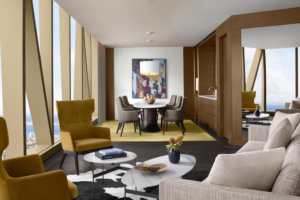
10. Fixed Furniture in Commercial Projects
Fixed furniture is also an important part of offices, retail stores, showrooms and other commercial spaces.
Typical applications include:
| Reception Counters | Built-In Storage |
| Display Units | Retail Fixtures |
| Feature Walls | Wall Panels |
| Meeting-Room Cabinetry | Custom Service Counters |
For retail and showroom projects, fixed furniture may form a significant part of the customer-facing environment.
Dimensions, display requirements, materials, lighting integration and brand-related finishes should all be coordinated during technical development.
11. Shop Drawings Are Critical
Shop drawings translate the design concept into detailed manufacturing information.
Fixed furniture shop drawings should define:
| Overall Dimensions | Internal Dimensions |
| Construction Details | Material Thickness |
| Joint Details | Hardware |
| Finish References | Architectural Interfaces |
Depending on the product, drawings may also identify electrical locations, integrated lighting, equipment openings and other service requirements.
Manufacturing should proceed from approved technical information rather than reference images alone.
12. Site Dimensions Affect Manufacturing
Because fixed furniture is designed for specific architectural locations, dimensional information has a direct impact on production.
Important dimensions include:
| Wall-to-Wall Dimensions | Floor-to-Ceiling Heights |
| Columns & Structural Elements | Door & Window Positions |
| Skirting & Ceiling Conditions | MEP Locations |
The dimensional basis used for manufacturing should be clearly established before production begins.
This is particularly important for wardrobes, wall panels, reception counters, built-in cabinetry and other products that interact closely with surrounding architectural elements.
13. Architectural Interfaces Must Be Coordinated
Fixed furniture rarely exists independently from the surrounding interior.
A wardrobe may meet walls, flooring, skirting and ceilings. A reception counter may coordinate with floor finishes, power points and lighting. Wall panels may need to accommodate doors, switches, sockets and decorative lighting.
These interfaces should be identified during the shop drawing and technical development stage so that manufacturing information reflects the actual project requirements.
14. Material Selection for Fixed Furniture
Fixed furniture projects commonly combine several material systems.
These include:
| Wood Veneer | Engineered Panels |
| Solid Wood | Lacquer |
| Laminate | Metal |
| Stone | Glass |
| Fabric & Leather | Decorative Hardware |
Materials should be selected according to the design intent, construction method, intended use and project specifications.
For projects containing large quantities of repeated furniture, material availability and consistency should also be considered before mass production.
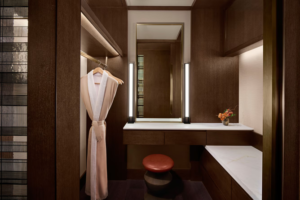
15. Finish Consistency Across the Project
Finish consistency is especially important when fixed furniture appears throughout multiple rooms and public spaces.
Veneer tone, grain direction, lacquer color, metal finish, stone appearance and decorative details should follow approved project references.
For repeated hotel guestrooms, apartment units or commercial spaces, batch control can help maintain a consistent appearance across large production quantities.
Finish approvals should therefore be clearly documented before manufacturing.
16. Hardware and Functional Components
Hardware is an important part of the complete fixed furniture system.
Common components include:
| Hinges | Drawer Runners |
| Handles | Locks |
| Shelf Supports | Hanging Systems |
| Sliding Mechanisms | Door Hardware |
Hardware should be selected according to dimensions, loading, opening frequency and functional requirements.
It should also be incorporated into the technical drawings before production so that construction details and hardware specifications are properly coordinated.
17. Fixed Furniture Construction
Construction methods vary according to the product type, material and intended use.
A wardrobe, reception counter, banquette, wall panel and bar counter all require different structural solutions.
The manufacturer should consider:
| Structural Stability | Panel Construction |
| Joint Strength | Edge Treatment |
| Load Requirements | Hardware Fixing |
| Material Movement | Long-Term Durability |
Construction details should support both the visual requirements of the design and the practical requirements of the project.
18. Prototypes and First-Article Review
For repeated or technically complex fixed furniture, reviewing an initial production item can help confirm important details before the remaining quantity is manufactured.
The review can cover dimensions, construction, materials, finishes, hardware and functional details.
This is particularly useful for hotel guestroom furniture, apartment units and other projects where the same furniture design will be produced in significant quantities.
19. Production Planning
Fixed furniture production should be organized according to the approved BOQ, drawings, materials and project schedule.
Production planning typically considers:
| Item Quantities | Production Batches |
| Material Availability | Finish Requirements |
| Project Areas | Delivery Priorities |
| Inspection Stages | Packing Sequence |
For large projects, furniture can be grouped according to room type, floor, zone or project area.
This helps maintain traceability from manufacturing through packing and export delivery.
20. Quality Control for Fixed Furniture
Quality control should cover more than the appearance of the finished product.
Important inspection points include:
| Dimensions | Construction |
| Materials | Finish Quality |
| Hardware | Function |
| Workmanship | Item Identification |
For repeated items, consistency between production batches is also important.
Inspection records can help confirm that the manufactured products correspond with approved drawings and specifications before packing.
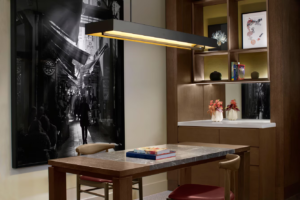
21. Packing Fixed Furniture for Export
Fixed furniture often contains large panels, finished surfaces, stone, glass, metal details and irregular components that require appropriate protection during transportation.
Packing should consider:
| Surface Protection | Corner Protection |
| Component Separation | Hardware Protection |
| Package Identification | Project-Area Labeling |
| Packing Lists | Loading Sequence |
Clear labeling is particularly useful when a project contains many similar components for different rooms or areas.
22. Organizing Fixed Furniture by Project Area
Large fixed furniture projects become easier to manage when products are organized according to their final destination.
For example:
| Project Area | Typical Fixed Furniture |
|---|---|
| Guest Rooms | Headboards, wardrobes, minibars, TV units, desks |
| Public Areas | Reception counters, wall panels, screens, displays |
| Restaurant & Bar | Banquettes, bar counters, back bars, buffets |
| Banquet & Meeting | Storage, service counters, wall panels |
| Spa | Reception, vanities, storage, treatment-room joinery |
This structure can be reflected in the BOQ, drawings, production records, packing lists and package labels.
23. Fixed Furniture BOQ
A clear BOQ is one of the most important documents for fixed furniture procurement.
It should identify information such as:
| Item Code | Product Description |
| Project Area | Quantity |
| Dimensions | Material & Finish |
| Drawing Reference | Remarks |
The BOQ creates a common reference between procurement, technical development, manufacturing, quality control and delivery.
24. Common Procurement Problems
Fixed furniture problems often begin before manufacturing rather than during manufacturing.
Common issues include:
| Incomplete Drawings | Unconfirmed Dimensions |
| Unclear Material References | Late Finish Changes |
| Missing Hardware Specifications | Uncoordinated Interfaces |
| BOQ Discrepancies | Unclear Item Identification |
Resolving these issues during technical development reduces the risk of changes later in production.
25. What Information Should Be Sent to the Manufacturer?
A fixed furniture inquiry should provide enough information for the manufacturer to understand the project scope and technical requirements.
Useful information includes:
| Architectural Drawings | Interior Drawings |
| Furniture Drawings | BOQ |
| Quantities | Material Specifications |
| Finish References | Project Location |
| Required Schedule | Relevant Technical Requirements |
When complete information is not yet available, the available drawings and project scope can be reviewed first and remaining technical information developed as the project progresses.
26. From Design Information to Manufacturing
A structured fixed furniture workflow can be organized as:
Project Brief → Fixed Furniture Scope & BOQ → Technical / Shop Drawings → Material & Finish Approval → Production → Quality Control → Project-Based Packing → Export Delivery
Each stage should use approved information from the previous stage.
This creates better control over dimensions, materials, quantities, production and final delivery.
27. Manufacturing in China and Local Fit-Out
For international fixed furniture projects, the manufacturing and local fit-out stages should be clearly separated.
Craftell Home’s scope focuses on fixed furniture manufacturing in China, technical development, material coordination, quality control, packing and export delivery.
On-site installation is not included in Craftell Home’s scope of supply and is handled by the client or local contractor.
For fixed interiors, the project structure can therefore follow:
Manufacturing in China → Export Delivery → Local Joinery / Fit-Out Installation
This provides a clear division between factory manufacturing and local site work.
28. Why Manufacturer Capability Matters
Fixed furniture manufacturing requires capabilities beyond standard furniture production.
A suitable manufacturer should be able to manage multiple materials, detailed shop drawings, custom joinery construction, repeated production, finish consistency, hardware coordination, quality inspection and project-based packing.
This becomes increasingly important when one project contains guestroom furniture, public-area joinery, restaurant fixed furniture, wall panels and other built-in elements under the same procurement scope.
29. Managing Large Fixed Furniture Packages
Large hotel and commercial projects can contain hundreds or thousands of fixed furniture components.
Effective project management requires clear control of:
| BOQ | Drawings |
| Material Approvals | Finish References |
| Production Status | Quality Records |
| Package Labels | Packing Lists |
Consistent item codes should be used throughout these documents wherever possible.
This makes it easier to trace each product from the drawing and production stage through to export delivery.
30. Fixed Furniture for International Projects
International projects require additional attention to documentation, packing and logistics.
The manufacturer should understand the project destination, shipping requirements, package identification system and delivery schedule before final packing begins.
For multi-area projects, container loading can also be coordinated according to project priorities and packing sequences.
31. Choosing a Fixed Furniture Manufacturer
When evaluating a fixed furniture manufacturer, project buyers should look beyond individual product photographs.
Important capabilities include:
| Technical Drawing Development | Custom Joinery Manufacturing |
| Multi-Material Production | Finish Management |
| Production Capacity | Quality Control |
| Project-Based Packing | Export Delivery Experience |
The manufacturer should be able to understand the complete project scope and translate approved project information into repeatable production.
32. From Fixed Furniture Scope to Export Delivery
A successful fixed furniture project depends on coordination throughout the complete manufacturing process.
The process begins with a clearly defined scope and BOQ, followed by technical drawings, dimension coordination, material and finish approvals, production, quality control and project-based packing.
For hotel, residential and commercial projects, this structured approach helps ensure that different fixed furniture categories are manufactured according to the same approved project information and prepared correctly for international delivery.
Conclusion
Fixed furniture is more closely integrated with architecture than standard loose furniture, making technical coordination an essential part of procurement and manufacturing.
Whether the project involves hotel guestrooms, public areas, restaurants, luxury residences, offices, retail stores or showrooms, the same fundamental principles apply: define the scope clearly, coordinate drawings and dimensions, control materials and finishes, manufacture according to approved information, inspect production carefully and organize packing according to the project.
A well-managed fixed furniture package creates consistency between design intent, manufacturing and final project delivery.
Fixed Furniture Procurement & Production Questions
What is considered fixed furniture?
Fixed furniture includes built-in or location-specific furniture and joinery such as wardrobes, headboards, wall panels, minibars, TV units, reception counters, banquette seating, bar counters, built-in storage and display units.
What is the difference between fixed furniture and loose furniture?
Fixed furniture is developed for a specific architectural location and normally requires detailed coordination with dimensions, finishes and surrounding building conditions. Loose furniture can generally be moved independently and has fewer architectural interfaces.
Does fixed furniture require shop drawings?
Yes. Shop drawings are important for defining dimensions, construction, materials, hardware, finishes and architectural interfaces before manufacturing.
What fixed furniture is commonly used in hotels?
Hotel fixed furniture includes headboards, wall panels, wardrobes, minibars, TV units, built-in desks, vanities, reception counters, banquettes, bar counters, back bars, buffet counters and other custom joinery.
Can one manufacturer produce fixed furniture for different project areas?
Yes. A fixed furniture manufacturer with suitable technical and production capabilities can manufacture coordinated packages for guestrooms, public areas, restaurants, banquet spaces, spas, residential interiors and commercial spaces.
Is on-site installation included?
On-site installation is not included in Craftell Home’s scope of supply. Installation and local fit-out are handled by the client or local contractor.
Published by Craftell Home · Custom Furniture Manufacturer & FF&E Project Supplier
Related fixed furniture project
Our published The Ritz-Carlton, Melbourne project describes the supply of custom furniture, fixed furniture and millwork across guestrooms and public areas. Review the stated supply scope when assessing its relevance to your own project.
This article provides manufacturing and procurement guidance. The final product configuration, acceptance criteria and delivery scope are defined by the approved drawings, specifications, samples and order documents for each project.
Explore Fixed Furniture Project Resources
Continue with our fixed furniture solutions and selected fixed furniture projects.