Fixed Furniture Manufacturing Process: From Site Measurement to Installation
Separate dimensions confirmed from the site from dimensions inferred from design drawings. Mark each unresolved interface, including adjoining finishes and service access, before releasing components for cutting. A revised site dimension can affect doors, drawers, hardware and neighbouring pieces, not just the outside width.
Fixed furniture manufacturing requires closer coordination with architecture than standard loose furniture production. Wardrobes, headboards, wall panels, minibars, vanities, reception counters, banquettes, bar counters and built-in cabinetry are manufactured for specific locations, so dimensions, architectural interfaces, materials and construction details must be established before production begins.
For hotel, residential and commercial projects, the process typically moves from site dimensions and technical information through shop drawings, material approvals, manufacturing, quality control, packing and export delivery. After delivery, installation and local fit-out are carried out by the client or local contractor according to the project requirements.
This guide explains the complete fixed furniture manufacturing process and the key controls required at each stage.
Freeze Dimensions Before Cutting Project Joinery
Separate dimensions confirmed from the site from dimensions inferred from design drawings. Mark each unresolved interface, including adjoining finishes and service access, before releasing components for cutting. A revised site dimension can affect doors, drawers, hardware and neighbouring pieces, not just the outside width.
In our production arrangement, the custom project factory handles project-specific development, woodworking support and paint finishing; completed products are checked and dispatched from that facility. Keep the approved drawing revision with the production order so finishing and final inspection follow the same reference as machining and assembly.
1. Define the Fixed Furniture Scope
The process begins by defining exactly which fixed furniture items are included in the project.
For hotel projects, the scope can include:
| Guest Room Fixed Furniture | Public Area Fixed Furniture |
| Restaurant & Bar Fixed Furniture | Banquet & Meeting Fixed Furniture |
| Spa Fixed Furniture | Custom Joinery & Wall Panels |
Each project area should then be divided into individual furniture items.
For example, guestroom fixed furniture can include headboards, wall panels, wardrobes, minibars, TV units, built-in desks, vanities and fixed storage.
2. Prepare the BOQ
The BOQ establishes the relationship between furniture items, quantities and project areas.
A fixed furniture BOQ should identify:
| Item Code | Product Description |
| Project Area | Quantity |
| Dimensions | Material & Finish |
| Drawing Reference | Remarks |
For hotel and apartment projects, room types or unit types should also be identified where relevant.
A structured BOQ becomes an important reference throughout technical development, production, quality control and packing.
3. Review Architectural and Interior Drawings
Before detailed furniture development begins, the relevant project drawings should be reviewed.
These can include:
| Floor Plans | Furniture Layouts |
| Interior Elevations | Sections |
| Architectural Details | Reflected Ceiling Plans |
| Electrical Drawings | Relevant MEP Information |
The purpose is to understand where each fixed furniture item is located and how it interacts with the surrounding space.
This stage can also identify missing information that needs to be confirmed before manufacturing.
4. Identify Critical Site Dimensions
Fixed furniture dimensions are closely connected to architectural conditions.
Critical dimensions can include:
| Wall-to-Wall Dimensions | Floor-to-Ceiling Heights |
| Door & Window Positions | Columns |
| Skirting Details | Ceiling Conditions |
| Floor Levels | Service Locations |
The required dimensions depend on the individual furniture item.
A full-height wardrobe, for example, requires different dimensional information from a reception counter or restaurant banquette.
5. Site Measurement and Dimensional Responsibility
Site measurements are normally provided or confirmed by the client, local contractor or relevant project team before final manufacturing dimensions are released.
The information should clearly identify the measurement basis used for production.
If site dimensions differ from architectural drawings, the differences should be resolved before manufacturing.
Craftell Home uses the confirmed project dimensions and approved technical information as the basis for fixed furniture production.
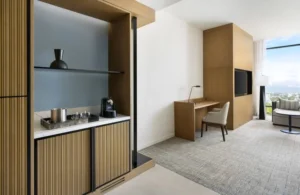
6. Check Architectural Interfaces
Fixed furniture often interacts directly with several architectural elements.
These include:
| Walls | Floors |
| Ceilings | Skirting |
| Doors | Windows |
| Columns | Wall Finishes |
A wall panel system may need to coordinate with doors and skirting, while a wardrobe may need to fit between walls and below a finished ceiling.
These interfaces should be identified before shop drawings are finalized.
7. Coordinate MEP and Equipment Interfaces
Some fixed furniture also needs to coordinate with electrical, lighting, plumbing or equipment requirements.
Examples include:
| Switches & Sockets | Integrated Lighting |
| TV Connections | Minibar Equipment |
| Refrigerator Ventilation | Vanity Plumbing |
| Cable Openings | Access Panels |
The furniture drawings should show the relevant openings, clearances and interface positions required for manufacturing.
8. Develop Shop Drawings
Once the project information and dimensions are established, detailed shop drawings can be developed.
Shop drawings translate the interior design into production-ready technical information.
They typically define:
| Overall Dimensions | Internal Dimensions |
| Construction Details | Panel Thickness |
| Material Specifications | Hardware |
| Finish References | Joint Details |
| Architectural Interfaces | Equipment Openings |
Production should not rely only on visual renderings or reference images.
9. Coordinate Furniture Construction
The internal construction needs to be developed according to the type and function of each product.
A wardrobe, wall panel, headboard, reception counter and bar counter require different construction methods.
Important considerations include:
| Structural Stability | Panel Construction |
| Joint Strength | Internal Reinforcement |
| Load Requirements | Hardware Fixing |
| Edge Treatment | Material Thickness |
The construction should support both the design appearance and long-term functional requirements.
10. Review Shop Drawings
Shop drawings should be reviewed before manufacturing information is released.
The review should confirm that dimensions, materials, finishes, construction details and interfaces correspond with the approved project requirements.
Any revisions should be clearly identified through drawing numbers and revision status.
This prevents outdated technical information from being used during production.
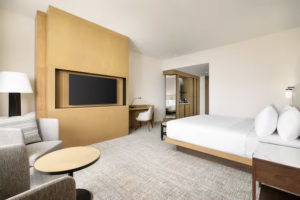
11. Confirm Materials
After the technical scope is established, the specified materials need to be confirmed.
Fixed furniture commonly uses:
| Wood Veneer | Engineered Panels |
| Solid Wood | Laminate |
| Lacquer | Metal |
| Stone | Glass |
| Fabric & Leather | Decorative Hardware |
The material selection should correspond with the approved interior design and functional requirements of each furniture item.
12. Confirm Finish References
Material selection alone is not enough. The exact finish also needs to be controlled.
Finish references can define:
| Veneer Tone | Grain Direction |
| Lacquer Color | Gloss Level |
| Metal Finish | Stone Appearance |
| Fabric Color | Leather Finish |
Approved finish references provide the production team with a clear benchmark.
This becomes particularly important when the same finish is used across several furniture categories.
13. Coordinate Hardware
Hardware should be integrated into the technical development process.
Typical fixed furniture hardware includes:
| Hinges | Drawer Runners |
| Handles | Locks |
| Sliding Systems | Shelf Supports |
| Hanging Rails | Door Hardware |
Hardware selection affects cabinet dimensions, drilling positions, internal clearances and construction details.
It should therefore be confirmed before production begins.
14. Review a Prototype or First Production Item
For repeated or technically complex fixed furniture, an initial item can be reviewed before the remaining production quantity proceeds.
The review can cover:
| Dimensions | Construction |
| Materials | Finishes |
| Hardware | Function |
| Workmanship | Design Details |
This is particularly useful for hotel guestrooms, apartment units and other projects containing large quantities of repeated furniture.
15. Release Approved Information for Production
Before mass production begins, the production team should have a controlled set of approved information.
This includes the relevant BOQ, drawings, materials, finishes, hardware and quantities.
The production release should identify the correct drawing revisions and approved specifications.
Changes made after this stage should be controlled carefully because they can affect materials already ordered or products already in manufacturing.
16. Material Preparation
Production begins with the preparation of approved materials.
Depending on the project, this can involve engineered panels, wood veneer, solid wood, metal, stone, glass and other components.
Material preparation should follow the approved specifications and production quantities.
For projects with repeated finishes, material batching can help maintain greater visual consistency.
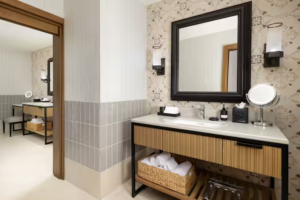
17. Panel Processing
Many fixed furniture products begin with panel processing.
Panels are cut and machined according to the production drawings.
The required operations can include:
| Cutting | Drilling |
| Routing | Edge Processing |
| Grooving | Joint Preparation |
Dimensional accuracy at this stage affects later assembly and the final furniture dimensions.
18. Veneer and Surface Preparation
For veneered fixed furniture, veneer selection and matching are important production stages.
The manufacturer should control grain direction, veneer tone and panel relationships according to the approved finish requirements.
Surface preparation also affects the final appearance of lacquer and other decorative finishes.
Large wall panels and wardrobes require particular attention because differences can become highly visible across large surfaces.
19. Cabinet and Joinery Assembly
Processed components are assembled according to the approved construction drawings.
At this stage, the factory checks structural relationships, joints, internal divisions and overall dimensions.
Products such as wardrobes, minibars, vanities and built-in cabinets can be assembled as complete units or organized into components depending on their dimensions and packing requirements.
20. Manufacture Complex Architectural Joinery
Some fixed furniture requires more complex production than standard cabinetry.
Examples include:
| Reception Counters | Curved Joinery |
| Bar Counters | Feature Walls |
| Decorative Screens | Large Wall Panels |
| Banquettes | Custom Display Units |
These items may combine several manufacturing processes and materials.
Accurate coordination between the different components is therefore particularly important.
21. Apply Finishes
After the main components have been prepared, the specified finishes are applied.
Depending on the project, this can include veneer finishing, lacquer, staining, metal finishing and other decorative treatments.
The finished appearance should be checked against approved project references.
For repeated hotel rooms or apartment units, consistency between production batches should also be monitored.
22. Coordinate Stone, Metal and Glass Components
Stone, metal and glass components frequently form part of the complete fixed furniture item.
Examples include stone vanity tops, metal trims, glass shelving and stone bar countertops.
Dimensions and tolerances between these components and the main joinery should be coordinated before final assembly.
Changes to one component can affect the fit of the others.
23. Install Hardware and Functional Components
Hardware and functional components are installed according to the approved drawings and specifications.
This can include hinges, drawer runners, handles, locks, hanging rails and sliding systems.
The factory should check alignment, movement and function after installation.
For items containing equipment, relevant clearances and openings should also be checked.
24. Factory Assembly and Dimensional Inspection
Where practical, fixed furniture components can be assembled or checked at the factory before packing.
This allows the production team to verify:
| Overall Dimensions | Component Fit |
| Joint Alignment | Door Alignment |
| Drawer Function | Hardware Operation |
| Panel Relationships | Finish Consistency |
Problems identified at the factory can be corrected before the products are prepared for international shipment.
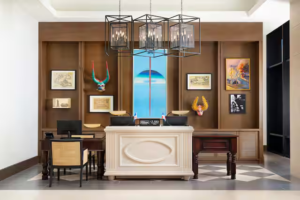
25. Quality Control During Production
Quality control should not be limited to the final inspection.
Different checks can be carried out during material preparation, machining, assembly, finishing and final production.
Important control points include:
| Dimensions | Materials |
| Construction | Workmanship |
| Finish Quality | Hardware |
| Function | Item Identification |
This helps identify problems before they affect a larger production quantity.
26. Final Quality Inspection
Before packing, finished products should be inspected against the approved project information.
The inspection should verify dimensions, finish quality, workmanship, hardware, functionality and item identification.
For repeated furniture, consistency across production batches should also be reviewed.
Products requiring correction should be addressed before they are released for packing.
27. Assign Item and Package Codes
Fixed furniture can consist of multiple components that need to be identified correctly after delivery.
Each product and package should therefore have a clear coding system.
Typical information includes:
| Project Name | Project Area |
| Room / Unit | Item Code |
| Package Number | Component Reference |
The coding system should correspond with the BOQ, drawings and packing documentation.
28. Protect Finished Surfaces
Fixed furniture often contains large finished surfaces that can be damaged during handling or transportation.
Protection should be selected according to the product and material.
Particular attention should be given to:
| Veneer Surfaces | Lacquer Surfaces |
| Panel Edges | Corners |
| Glass | Stone |
| Metal Details | Hardware |
Components should also be separated where necessary to prevent surface-to-surface damage.
29. Pack by Project Area
For large hotel, residential and commercial projects, packing should follow the project organization.
A hotel project can be organized as:
Hotel → Floor → Room / Room Type → Item → Package
A commercial project can use:
Project → Area → Furniture Category → Item → Package
This makes it easier for the client or local contractor to identify the relevant components after delivery.
30. Prepare Packing Lists
Packing lists should connect physical packages with the project documentation.
They can identify package numbers, item codes, quantities, room or area references and component descriptions.
For complex fixed furniture, one finished item may consist of several packages.
Clear packing documentation improves traceability from the factory to the project destination.
31. Container Loading and Export Delivery
International fixed furniture projects require careful container planning because products can vary significantly in size and construction.
Loading should consider package dimensions, weight, product protection and delivery sequence.
The objective is to prepare the manufactured furniture for safe and organized international transportation.
32. Delivery to the Project Destination
After export shipment, the fixed furniture is delivered to the agreed project destination according to the commercial and logistics arrangements.
Project-based package identification becomes especially important at this stage.
Clear labels allow the receiving team to separate products by room, floor, zone or project area without relying only on visual identification.
33. Local Receiving and Package Identification
The client or local contractor should check the delivered packages against the packing documentation.
Packages can then be organized according to their designated areas before local fit-out begins.
For large projects, maintaining the factory item codes and package numbers during local handling helps avoid mixing components from different rooms or furniture items.
34. Local Joinery / Fit-Out Installation
On-site installation is a separate local project stage after manufacturing and delivery.
Craftell Home’s scope focuses on technical development, fixed furniture manufacturing in China, material and finish coordination, production, quality control, packing and export delivery.
On-site installation is not included in Craftell Home’s scope of supply and is handled by the client or local contractor.
The overall project structure is therefore:
Manufacturing in China → Quality Control → Project-Based Packing → Export Delivery → Local Joinery / Fit-Out Installation
Local installers use the relevant project drawings and product information to complete the site fit-out.
35. Why the Complete Process Matters
Fixed furniture manufacturing is a connected process.
An incorrect site dimension can affect a shop drawing. An incorrect shop drawing can affect manufacturing. An uncontrolled finish can create visible inconsistencies across repeated rooms. Poor package identification can create problems after the products reach the project.
For this reason, each stage should connect clearly with the next:
Confirmed Dimensions → Approved Drawings → Approved Materials → Controlled Production → Quality Inspection → Identified Packing → Export Delivery
The more complex the project, the more important this structured workflow becomes.
36. From Site Measurement to Project Delivery
A complete international fixed furniture workflow can be summarized as:
Project Scope & BOQ → Site Dimensions → Architectural Coordination → Shop Drawings → Material & Finish Approval → Production Release → Manufacturing → Quality Control → Project-Based Packing → Export Delivery → Local Joinery / Fit-Out Installation
For Craftell Home, the manufacturing and supply responsibility concludes with the agreed export delivery scope. Site installation remains the responsibility of the client or local contractor.
This separation allows the manufacturing process in China and the local construction process to remain clearly defined while using the same approved project information.
Conclusion
Fixed furniture manufacturing begins long before materials enter production. Accurate dimensions, clearly defined furniture scopes, coordinated architectural interfaces and approved shop drawings establish the technical foundation for manufacturing.
The process then moves through material and finish control, panel processing, joinery production, assembly, hardware installation, quality inspection, project-based packing and export delivery. Each stage should remain connected to the approved BOQ and technical information.
For international hotel, residential and commercial projects, separating factory manufacturing from local site installation also creates a clear division of responsibility. The manufacturer focuses on producing, inspecting, packing and delivering the fixed furniture, while installation and local fit-out are completed by the client or local contractor.
Fixed Furniture Procurement & Production Questions
Who provides site measurements for fixed furniture manufacturing?
Site measurements and confirmed dimensions are normally provided or verified by the client, local contractor or relevant project team. The manufacturer uses the confirmed dimensions and approved technical information as the basis for production.
Why are shop drawings important for fixed furniture?
Shop drawings establish the dimensions, construction, materials, hardware, finishes and architectural interfaces required to convert the design into manufacturing information.
When should fixed furniture production begin?
Production should begin after the relevant scope, quantities, drawings, dimensions, materials, finishes and hardware requirements have been sufficiently confirmed for manufacturing.
Is fixed furniture assembled at the factory before delivery?
Where appropriate, furniture or critical components can be assembled or checked at the factory to verify dimensions, component fit, alignment, hardware and functionality before packing.
How is fixed furniture organized for international delivery?
Products can be coded and packed according to project, area, floor, room or unit, furniture item and package number. The same coding system should correspond with the BOQ and packing documentation.
Does Craftell Home install fixed furniture on site?
No. On-site installation is not included in Craftell Home’s scope of supply. Craftell Home focuses on manufacturing, quality control, project-based packing and export delivery, while local joinery and fit-out installation are handled by the client or local contractor.
Published by Craftell Home · Custom Furniture Manufacturer & FF&E Project Supplier
Related fixed furniture project
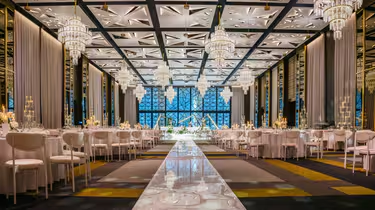
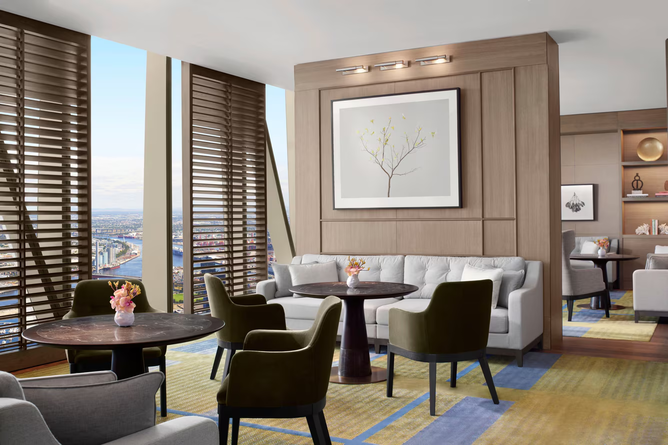
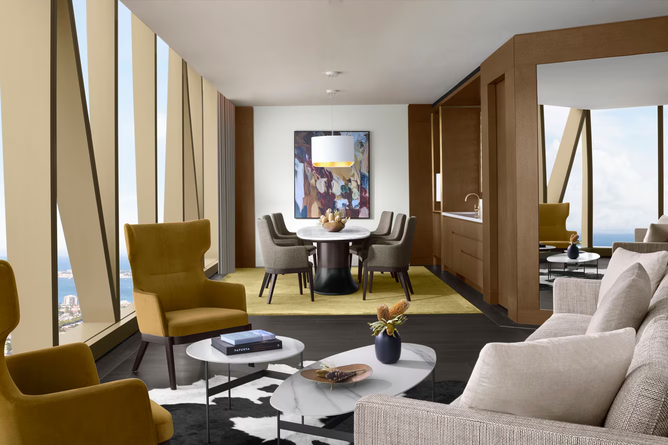
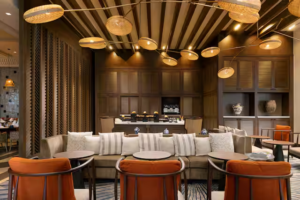
Our published The Ritz-Carlton, Melbourne project describes the supply of custom furniture, fixed furniture and millwork across guestrooms and public areas. Review the stated supply scope when assessing its relevance to your own project.
This article provides manufacturing and procurement guidance. The final product configuration, acceptance criteria and delivery scope are defined by the approved drawings, specifications, samples and order documents for each project.
Explore Fixed Furniture Project Resources
Continue with our fixed furniture solutions and selected fixed furniture projects.