How to Specify Outdoor Furniture for Coastal and High-Humidity Environments
A coastal specification should consider where water can enter, collect and drain, including joints and concealed interfaces. Choosing a corrosion-resistant material name does not remove the need to review fasteners, welds, surface preparation and contact between different metals.
Outdoor furniture used in coastal and high-humidity environments requires more careful specification than furniture used in protected outdoor areas. Beach resorts, waterfront hotels, pool decks, tropical destinations and humid climates expose furniture to a combination of salt air, moisture, strong sunlight, heat and frequent commercial use.
For hospitality projects, these conditions affect more than the visible furniture surface. Frames, welds, fasteners, hardware, coatings, timber, rope, fabrics, cushions and tabletops all need to be considered as part of the complete outdoor furniture system.
A clear specification helps project buyers select appropriate materials, coordinate finishes and establish consistent manufacturing requirements before production begins.
Review Water Paths and Mixed-Material Connections
A coastal specification should consider where water can enter, collect and drain, including joints and concealed interfaces. Choosing a corrosion-resistant material name does not remove the need to review fasteners, welds, surface preparation and contact between different metals.
Ask for details of the proposed coating system and material combination, together with evidence relevant to the intended exposure. A salt-spray result alone should not be converted into a guaranteed number of service years. Keep the maintenance assumptions and exposure conditions with the product specification so the purchasing comparison remains meaningful.
1. Start with the Actual Project Environment
The first step is to identify the environmental conditions at the project location.
Important factors include:
| Coastal Salt Air | High Humidity |
| Strong UV Exposure | High Temperatures |
| Frequent Rain | Poolside Moisture |
| Wind Exposure | Covered / Uncovered Areas |
The specification should respond to the actual environment rather than applying the same outdoor furniture standard to every project.
2. Separate Coastal and High-Humidity Conditions
Coastal and high-humidity environments often overlap, but they create different considerations.
Coastal locations can expose furniture to salt-laden air, while high-humidity environments create prolonged moisture exposure.
A beachfront resort can experience both conditions simultaneously.
This means corrosion resistance, moisture management, drying performance and material stability should be considered together.
3. Identify the Furniture Location
Furniture positioned directly beside the sea or swimming pool can face different exposure from furniture under a covered terrace.
Divide the project into individual areas such as:
| Beachfront Areas | Pool Decks |
| Outdoor Restaurants | Covered Terraces |
| Rooftop Areas | Outdoor Lounges |
| Private Villa Pools | Garden Areas |
The exposure level of each area should guide the material specification.
4. Build an Area-Based Furniture Schedule
Once the outdoor areas are defined, organize furniture by location.
The schedule should identify:
| Item Code | Project Area |
| Furniture Type | Quantity |
| Dimensions | Frame Material |
| Finish | Upholstery |
| Tabletop | Special Requirements |
This makes it easier to identify products exposed to more demanding conditions.
5. Select the Frame Material Carefully
The frame is the structural foundation of outdoor furniture.
Common frame materials include powder-coated aluminum, stainless steel, teak and mixed-material construction.
For coastal and humid projects, material selection should consider both structural requirements and environmental exposure.
The main frame should never be evaluated only according to appearance.
6. Specify Aluminum Construction
Aluminum is widely used for hotel and resort outdoor furniture.
It is suitable for sofas, lounge chairs, dining furniture, sun loungers, daybeds and tables.
The specification should consider:
| Tube Profile | Wall Thickness |
| Reinforcement | Welding |
| Joint Construction | Surface Preparation |
| Powder Coating | Final Finish |
Simply specifying “aluminum frame” does not define the complete construction standard.
7. Pay Attention to Frame Drainage
Outdoor furniture frames can be exposed to rain, cleaning water and condensation.
Where appropriate, frame construction should avoid unnecessary water retention.
Drainage details should be considered during product development, particularly for hollow metal sections and products used in frequently wet environments.
8. Specify Powder-Coated Finishes
Powder coating is commonly used on aluminum outdoor furniture.
The project specification should establish:
| Finish Color | Texture |
| Gloss Level | Surface Quality |
| Approved Reference | Finish Consistency |
The approved finish should be controlled across all furniture using the same specification.
9. Consider the Complete Corrosion System
Corrosion resistance should not be evaluated only by looking at the main frame.
The complete furniture construction can contain several metal components.
These include:
| Frames | Fasteners |
| Screws & Bolts | Brackets |
| Hinges | Connectors |
| Reclining Mechanisms | Other Hardware |
Each exposed component should be appropriate for the intended environment.
10. Pay Particular Attention to Fasteners
Small hardware components can become weak points in coastal furniture if they are not properly specified.
Fasteners should be selected according to the product construction and environmental requirements.
Their compatibility with surrounding materials should also be considered during technical development.
11. Review Welding Quality
Welding affects both structural performance and finish quality.
For commercial outdoor furniture, inspect:
| Weld Consistency | Joint Strength |
| Surface Preparation | Grinding |
| Connection Details | Reinforcement |
Poorly finished joints can also make consistent surface finishing more difficult.
12. Specify Stainless Steel Carefully
Stainless steel can be used for selected frames, hardware and decorative details.
However, “stainless steel” should not be treated as a complete specification.
The required material should be selected according to the application and environment.
This is particularly important where components are continuously exposed to coastal air or moisture.
13. Consider Teak for Outdoor Applications
Teak is commonly used in premium resort and hospitality outdoor furniture.
It can be applied to:
| Furniture Frames | Dining Tables |
| Sun Loungers | Arm Details |
| Tabletops | Decorative Components |
Its natural appearance works particularly well in beach resorts and tropical hospitality environments.
14. Understand Natural Timber Changes
Timber used outdoors will respond to sunlight, moisture and changing environmental conditions.
The project team should establish expectations for appearance and maintenance before finalizing the specification.
Natural material variation should also be considered when multiple pieces are supplied for the same area.
15. Coordinate Timber Construction
Outdoor timber performance depends on more than the species alone.
Construction should also consider joints, component dimensions, moisture movement and surface finishing.
The complete product should be developed for its intended outdoor application.
16. Specify Outdoor Rope
Outdoor rope is frequently used for contemporary hotel and resort furniture.
It can be applied to sofas, lounge chairs, dining chairs, bar stools and daybeds.
For coastal and humid environments, consider:
| Outdoor Suitability | UV Exposure |
| Moisture | Color Stability |
| Cleaning | Weaving Construction |
The selected rope should correspond with the intended outdoor application.
17. Control Rope Weaving Quality
The material alone does not determine the quality of rope furniture.
Production should also control:
| Weaving Pattern | Tension |
| Spacing | Symmetry |
| Edge Finishing | Connection Points |
Consistent weaving becomes particularly important when large quantities of the same chair or lounge furniture are used within one resort.
18. Specify Synthetic Woven Materials
Synthetic woven materials are another common choice for hospitality outdoor furniture.
They can be used for complete furniture bodies or decorative sections.
The specification should define the approved material, color and weaving reference so production remains consistent across different furniture pieces.
19. Select Outdoor Fabrics
High humidity and coastal exposure make fabric selection especially important.
Outdoor upholstery should be selected according to the required project conditions.
Important considerations include:
| UV Exposure | Moisture |
| Color Stability | Cleaning |
| Abrasion | Drying Performance |
| Texture | Appearance |
Fabric should always be considered together with the internal cushion construction.
20. Specify Cushion Construction
Outdoor cushions require a different approach from conventional indoor upholstery.
For exposed furniture, the cushion system should consider:
| Foam Type | Cushion Thickness |
| Moisture Movement | Ventilation |
| Cover Construction | Removable Covers |
The objective is to reduce unnecessary moisture retention within the cushion.
21. Consider Quick-Dry Foam
Quick-dry foam is frequently used for outdoor seating in wet or humid environments.
It is particularly relevant for:
| Poolside Sofas | Lounge Chairs |
| Sun Loungers | Daybeds |
| Outdoor Sectionals | Resort Seating |
The foam, fabric and cushion cover construction should work together rather than being specified independently.
22. Design Cushions for Drainage
Even appropriate outdoor foam can perform poorly if the surrounding cushion construction prevents moisture from escaping.
Cushion design should therefore consider how water enters, moves through and leaves the product.
This is especially important in tropical resorts with frequent rain and high humidity.
23. Specify Suitable Tabletop Materials
Outdoor tables in coastal and humid environments require surfaces appropriate for exterior use.
Depending on the design, materials include:
| Teak | Stone |
| Sintered Surfaces | Exterior-Suitable HPL |
| Glass | Ceramic / Porcelain Surfaces |
The selected surface should be evaluated together with its supporting frame and fixing method.
24. Consider Tabletop Weight
Heavy tabletops can improve stability in some applications, but they also affect frame construction, handling and transportation.
Stone and similar surfaces require appropriate support.
The complete table should therefore be engineered as one product rather than combining an independently selected top and base without technical coordination.
25. Control Water-Trapping Details
Furniture details that unnecessarily retain water should be reviewed during technical development.
Potential areas include frame sections, horizontal surfaces, cushion cavities and enclosed connections.
The objective is not simply to make the visible surface water-resistant but to consider how the complete furniture construction behaves after rain or cleaning.
26. Consider Ventilation
Air circulation can help furniture dry after exposure to moisture.
Open rope construction, woven surfaces, ventilated cushion systems and appropriate furniture details can support moisture management.
This is particularly useful in high-humidity environments where drying conditions can be slower.
27. Consider Poolside Conditions Separately
Poolside furniture is exposed to more than general outdoor humidity.
Guests can use the furniture while wet, and surfaces can be exposed repeatedly to water and cleaning.
Typical pool furniture includes:
| Sun Loungers | Daybeds |
| Side Tables | Parasols |
| Outdoor Sofas | Lounge Chairs |
Materials and cushion systems should reflect these operating conditions.
28. Consider Beachfront Conditions Separately
Beachfront furniture can experience salt air, sand, strong sunlight and wind simultaneously.
The complete furniture system should therefore be reviewed:
Frame → Finish → Hardware → Weaving → Upholstery → Cushion → Tabletop
Focusing on only one material does not provide a complete coastal specification.
29. Consider Covered Outdoor Areas
Covered terraces are protected from some direct weather exposure but still remain outdoor environments.
Humidity, temperature and airborne moisture can continue to affect furniture.
The degree of protection should therefore be identified before changing the material specification.
30. Specify Parasols According to the Environment
Parasols combine several different materials and functional components.
The specification can include:
| Frame Material | Canopy Fabric |
| Finish | Mechanical Components |
| Base | Hardware |
Project-specific wind conditions and local requirements should be reviewed by the relevant project team when planning parasol locations and use.
31. Coordinate Materials Across the Project
A hotel or resort often requires several furniture categories within the same outdoor area.
A coordinated material palette can be established, for example:
Powder-Coated Aluminum → Teak Details → Outdoor Rope → Outdoor Fabric → Exterior-Suitable Tabletop
This palette can then be applied consistently across sofas, lounge chairs, dining furniture, loungers and tables.
32. Establish Approved Material References
Before mass production, approved references should be confirmed for the main materials and finishes.
These can include:
| Metal Finish | Timber Finish |
| Rope | Woven Material |
| Outdoor Fabric | Cushion Construction |
| Tabletop | Hardware |
These references provide a consistent benchmark during manufacturing and quality control.
33. Prepare Technical Drawings
Customized outdoor furniture should be supported by clear technical information.
Drawings can identify:
| Dimensions | Frame Construction |
| Materials | Finishes |
| Cushion Details | Hardware |
| Tabletop Construction | Functional Components |
This allows environmental requirements to be translated into actual manufacturing details.
34. Review Key Products Before Mass Production
For repeated custom products, a prototype or initial production item can be reviewed before the remaining quantity proceeds.
The review should focus on dimensions, construction, comfort, materials, finishes and functional details.
For coastal projects, it also provides an opportunity to confirm that specified outdoor components have been incorporated correctly.
35. Control Production Consistency
Large hospitality projects can require the same materials across hundreds of furniture pieces.
Production control should therefore cover:
| Frame Construction | Metal Finish |
| Timber Finish | Rope Color |
| Weaving | Fabric |
| Cushion Construction | Tabletops |
Approved samples and drawings should remain the production reference.
36. Inspect More Than the Visible Surfaces
Final inspection should not focus only on appearance.
For coastal and high-humidity furniture, checks should also include:
| Frame Construction | Welds |
| Hardware | Drainage Details |
| Cushion Construction | Moving Parts |
| Stability | Product Function |
This helps identify issues that may not be obvious from the finished appearance alone.
37. Plan Maintenance at the Specification Stage
Outdoor furniture requires maintenance regardless of material.
The expected maintenance program should therefore be considered during procurement.
Factors include cleaning frequency, timber care, cushion storage, fabric cleaning and inspection of hardware or moving components.
Selecting materials without considering the property’s maintenance capability can create operational problems later.
38. Plan Project-Based Packing
Coastal outdoor furniture can contain several different materials requiring protection during export.
Packing should protect:
| Metal Finishes | Timber Surfaces |
| Rope & Weaving | Upholstery |
| Tabletops | Hardware |
Products should also be clearly identified by project area and item code.
39. Use Clear Package Identification
For large resorts, outdoor furniture can be distributed across pools, beaches, restaurants, villas and terraces.
A project-based labeling system can follow:
Project → Area → Item Code → Quantity → Package Number
This helps the receiving team identify where each product belongs.
40. Evaluate the Complete Specification Before Production
Before releasing the order for manufacturing, review the outdoor furniture specification as one complete system.
Confirm:
| Project Environment | Furniture Area |
| Frame Material | Finish |
| Hardware | Rope / Weaving |
| Outdoor Fabric | Cushion System |
| Tabletop | Approved References |
This final review helps ensure that the furniture specification corresponds with both the design requirements and the actual project environment.
Conclusion
Specifying outdoor furniture for coastal and high-humidity environments requires more than selecting products described as “outdoor.”
The complete furniture system should be considered—from structural frames and surface finishes to hardware, rope, upholstery, cushions and tabletops. Salt air, humidity, sunlight, heat, rain and poolside moisture can affect different components in different ways.
For hospitality projects, the specification process should therefore follow a clear sequence:
Project Environment → Outdoor Area → Furniture Scope → Material Selection → Technical Development → Material & Finish Approval → Manufacturing → Quality Control → Project-Based Packing → Export Delivery
By defining these requirements before production, hotel and resort project teams can create a more consistent outdoor furniture package for beachfront, poolside, terrace and other high-humidity environments.
Outdoor Furniture Procurement & Production Questions
What should be considered when specifying outdoor furniture for a coastal hotel?
The specification should consider salt air, humidity, UV exposure, rain, heat and the exact location of the furniture. Frames, coatings, hardware, fabrics, cushions and tabletops should be reviewed as one complete system.
Is aluminum suitable for coastal outdoor furniture?
Aluminum is widely used for hospitality outdoor furniture. The complete specification should also consider frame construction, surface preparation, powder coating, hardware and other components exposed to the environment.
Why is hardware important in coastal furniture?
Outdoor furniture can contain screws, bolts, brackets, hinges and moving mechanisms in addition to the main frame. These smaller components are also exposed to moisture and coastal conditions.
What type of cushion is suitable for humid environments?
Outdoor cushion systems should support moisture movement and drying. Quick-dry foam and appropriate outdoor fabrics are commonly used for exposed hospitality seating depending on the project specification.
Is teak suitable for high-humidity environments?
Teak is commonly used in premium outdoor hospitality furniture. The project should still consider timber selection, construction, exterior exposure, appearance changes and maintenance requirements.
What should be specified for beachfront resort furniture?
Beachfront furniture should be evaluated for salt air, humidity, UV exposure, sand and wind. The frame, finish, hardware, upholstery, cushions, tabletops and functional components should all be considered.
How should materials be approved before production?
Physical references can be established for metal finishes, timber, rope, woven materials, fabrics, cushion construction, tabletops and hardware. These approved references can then be used during production and quality inspection.
How should outdoor furniture be packed for an international resort project?
Packing should protect different materials and finishes during transportation and clearly identify the project, outdoor area, item code, quantity and package number.
Published by Craftell Home · Custom Furniture Manufacturer & FF&E Project Supplier
Related outdoor furniture project
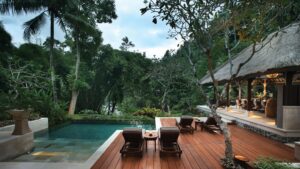
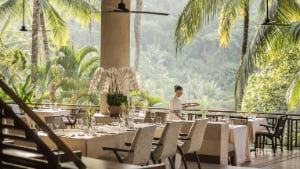
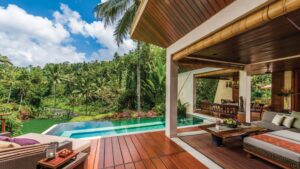
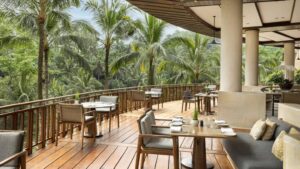
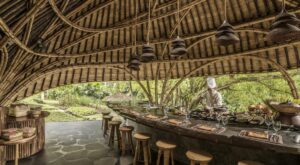
Our published Four Seasons Resort Bali at Sayan project describes the supply of outdoor furniture for private pool villas, pool decks, dining areas and lounge spaces. Review the stated supply scope when assessing its relevance to your own project.
This article provides manufacturing and procurement guidance. The final product configuration, acceptance criteria and delivery scope are defined by the approved drawings, specifications, samples and order documents for each project.
Explore Outdoor Furniture Project Resources
Continue with our outdoor furniture solutions and selected projects.