Commercial Furniture Cost Guide: What Affects Pricing for Office & Retail Projects?
Before comparing totals, align dimensions, construction, finish references, hardware, quantities and packing requirements. A reception counter and repeated workstations distribute development work differently, even when they appear in the same office package. Separate repeated items from one-off features in the comparison.
Commercial furniture pricing can vary significantly between projects even when the products appear similar. An office desk, retail display table, reception counter or lounge chair can have very different costs depending on dimensions, construction, materials, finishes, hardware, customization and project quantity.
For office and retail projects, furniture budgets should therefore be developed from the actual project specification rather than from a general price per piece.
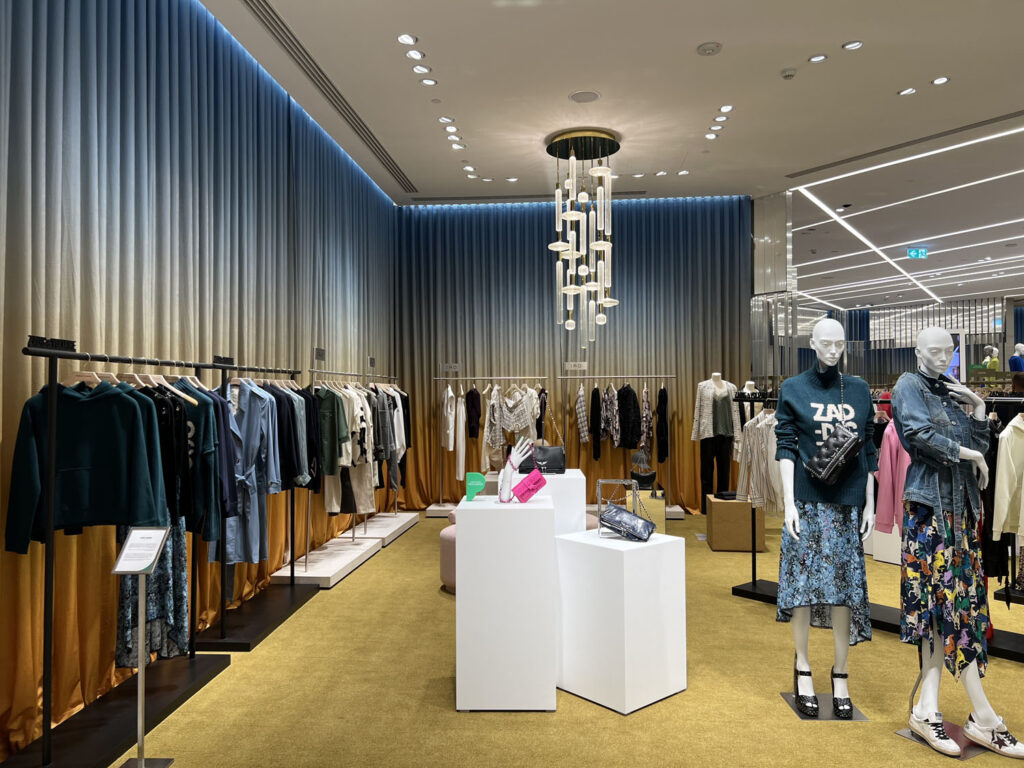
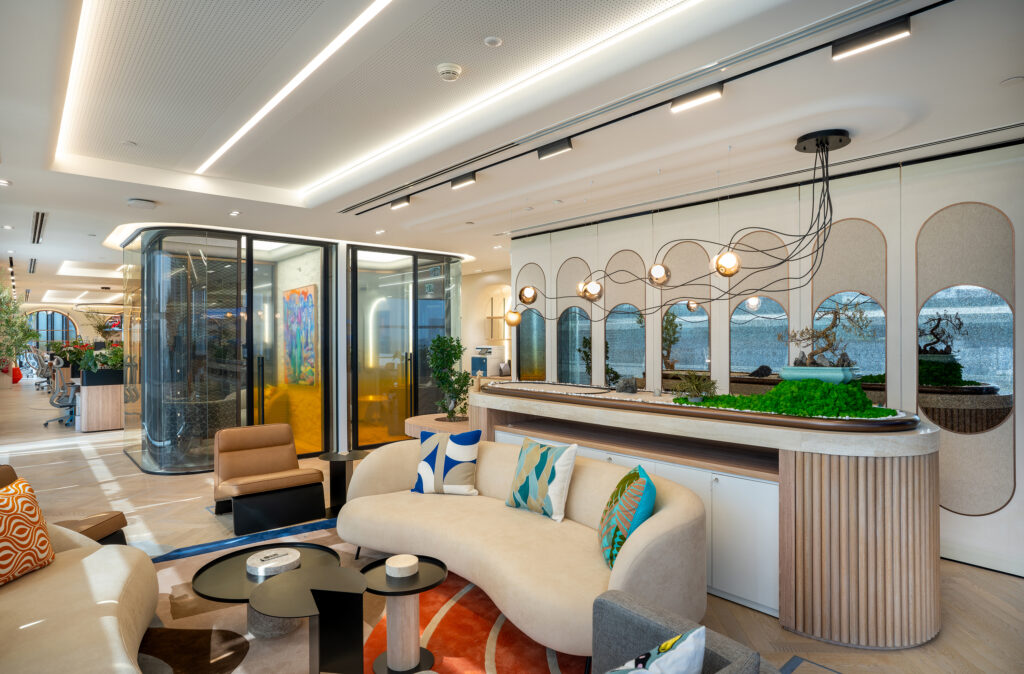
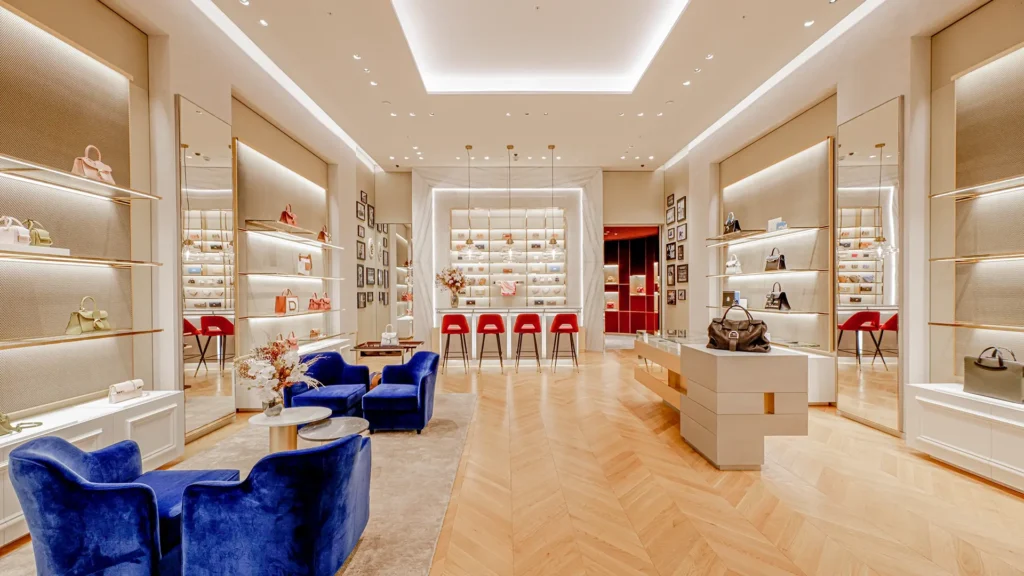
Corporate offices may contain large quantities of repeated workstations, meeting furniture and storage, while retail stores and showrooms can contain smaller quantities of highly customized display furniture, counters and fixed interiors. Each requires a different cost structure.
This guide explains the main factors that affect commercial furniture pricing and how project buyers can prepare more accurate quotations and budgets for office, retail and showroom projects.
Compare Quotations Against the Same Commercial Use
Before comparing totals, align dimensions, construction, finish references, hardware, quantities and packing requirements. A reception counter and repeated workstations distribute development work differently, even when they appear in the same office package. Separate repeated items from one-off features in the comparison.
Ask each supplier to identify provisional assumptions rather than silently replacing unspecified materials. For example, a curved display cabinet can require different machining and finishing work from a rectangular cabinet with similar overall dimensions. Compare the confirmed specification first, then evaluate alternative constructions as clearly identified options.
1. Start with the Complete Furniture Scope
The first factor affecting project cost is the total scope of supply.
A commercial furniture package includes:
| Office furniture | Executive furniture |
| Meeting furniture | Reception furniture |
| Lounge furniture | Retail display furniture |
| Sales counters | Storage furniture |
| Fixed interiors | Custom joinery |
A quotation covering only loose furniture cannot be compared directly with one that also includes custom counters, built-in storage or fixed interiors.
The scope must therefore be defined before meaningful pricing comparisons can begin.
2. Separate Office, Retail and Shared Commercial Areas
Different commercial areas contain different furniture types and cost structures.
| Office Areas | Retail / Showroom Areas |
|---|---|
| Executive offices | Display areas |
| Workstations | Product zones |
| Meeting rooms | Consultation areas |
| Reception | Sales counters |
| Lounge areas | Customer lounges |
| Storage areas | Back-of-house areas |
Separating the project by area makes it easier to identify where the budget is being allocated.
3. Build the Budget from the BOQ
A furniture BOQ provides a more reliable basis for budgeting than a general project allowance.
Each item should identify:
| BOQ Field | Information |
|---|---|
| Item Code | Unique furniture reference |
| Product | Furniture type |
| Area | Project location |
| Dimensions | W × D × H |
| Quantity | Required number |
| Material | Main specification |
| Finish | Finish reference |
The more complete the BOQ, the fewer assumptions manufacturers need to make during quotation.
4. Understand the Difference Between Unit Price and Project Cost
Unit price represents only one part of the total furniture budget.
Commercial project cost can also be affected by:
| Technical development | Custom materials |
| Special finishes | Hardware |
| Packing | Export requirements |
| Freight | Delivery phasing |
A lower product price does not automatically mean a lower final project cost.
For project procurement, the complete commercial scope should always be reviewed.
5. Furniture Dimensions Affect Pricing
Furniture dimensions directly affect material consumption, structural requirements, manufacturing time and packing volume.
For example, increasing the size of a meeting table can require:
More Material → Stronger Internal Structure → Larger Base → More Finishing → Larger Packing Volume
The same principle applies to executive desks, reception counters, display cabinets and storage furniture.
Quotations should therefore always be based on confirmed dimensions.
6. Quantity Has a Major Effect on Unit Cost
Production quantity is one of the most important pricing factors.
Repeated furniture can allow manufacturing processes to be standardized across a larger production quantity.
Examples include:
| Repeated Office Furniture | Repeated Retail Furniture |
|---|---|
| Workstations | Display tables |
| Task chairs | Display cabinets |
| Meeting chairs | Shelving units |
| Storage cabinets | Customer chairs |
| Side tables | Storage units |
One-off custom pieces usually have a different cost structure because technical development and manufacturing preparation are spread across only one or a few products.
7. Product Variation Affects Production Efficiency
A project with 200 identical desks is different from a project with 200 desks divided across 20 different designs.
More product variations can create:
| More drawings | More material combinations |
| More production setups | More finish references |
| More QC requirements | More packing identification |
Reducing unnecessary variation can improve manufacturing efficiency without reducing the overall design quality of the project.

8. Customization Level Affects Cost
Commercial furniture can range from relatively standardized products to highly customized pieces.
Customization includes:
| Custom dimensions | Custom construction |
| Special materials | Custom finishes |
| Decorative metal | Stone details |
| Integrated storage | Special hardware |
The more project-specific development required, the more technical and manufacturing work is involved.
Custom executive desks, flagship-store counters and feature display cabinets therefore have different cost structures from repeated standard furniture.
9. Internal Construction Affects Pricing
Two pieces of furniture can look similar externally while using different internal construction.
Cost differences can result from:
| Panel specification | Frame construction |
| Reinforcement | Joinery |
| Edge construction | Internal support |
| Hardware preparation | Structural complexity |
This is one reason quotations should not be compared using images alone.
Construction specifications need to be understood before prices can be evaluated accurately.
10. Material Grade Changes the Price
Material specification is a major part of furniture cost.
Commercial furniture can use:
| Solid wood | Natural veneer |
| Engineered panels | Laminate |
| Lacquer | Metal |
| Stone | Glass |
| Fabric | Leather |
Even within one material category, there can be significant differences in grade, thickness, origin and processing requirements.
The quotation should therefore identify the actual material basis.
11. Veneer Specification Affects Cost
Veneer is widely used in executive offices, reception areas, meeting rooms and luxury retail environments.
Pricing can be affected by:
| Wood species | Veneer grade |
| Veneer cut | Grain selection |
| Grain matching | Stain requirements |
| Surface area | Finish process |
Large executive desks and conference tables can require more careful veneer selection and grain matching than smaller products.
12. Lacquer and Painted Finishes Affect Cost
Painted finishes vary according to color, surface preparation, sheen and finishing complexity.
Cost can increase with:
| High-gloss finishes | Special colors |
| Complex profiles | Multiple finish layers |
| Large visible surfaces | High surface-quality requirements |
High-gloss finishes generally reveal surface imperfections more easily and therefore require more preparation and finishing control.
13. Decorative Metal Affects Pricing
Metal is frequently used for desk bases, shelving, retail displays, cabinet frames, trims and decorative details.
Cost depends on:
| Metal type | Thickness |
| Fabrication | Welding |
| Polishing | Plating |
| Powder coating | Decorative finish |
A simple powder-coated steel frame and a highly finished decorative metal structure should not be expected to have the same cost.
14. Stone and Glass Affect Both Product and Packing Cost
Stone and glass can significantly affect the price of retail and premium office furniture.
For stone, cost depends on:
| Stone type | Thickness |
| Slab selection | Edge detail |
| Pattern / veining | Support structure |
For glass, cost depends on:
| Glass type | Thickness |
| Edge treatment | Shape |
| Openings | Hardware |
Both materials can also increase packing requirements because of their weight and fragility.
15. Upholstery Specification Affects Cost
Upholstered furniture is common in reception areas, executive offices, commercial lounges and retail consultation spaces.
Pricing depends on:
| Fabric / leather | Material grade |
| Required quantity | Foam construction |
| Stitching | Piping |
| Pattern matching | Cushion construction |
Fabric and leather specified by the project should be clearly identified when quotations are requested.
Otherwise, different manufacturers may calculate prices using completely different upholstery assumptions.
16. Hardware Can Create Significant Price Differences
Hardware is sometimes underestimated during early budgeting.
Commercial furniture can require:
| Hinges | Drawer slides |
| Locks | Handles |
| Adjustable feet | Connecting hardware |
| Cable components | Power-access hardware |
Brand, specification, quantity and functionality all affect cost.
For storage furniture, display cabinets and counters, hardware can represent an important part of the product specification.
17. Integrated Power and Cable Management Add Complexity
Office desks, meeting tables and retail counters can require integrated electrical or cable-management components.
These requirements affect:
| Desktop openings | Cable trays |
| Internal routing | Access panels |
| Power boxes | Structural components |
| Removable panels | Hardware |
The requirements should be defined before quotation because they can affect both construction and component cost.
18. Fixed Interiors Have a Different Cost Structure
Fixed interiors should be budgeted separately from loose furniture.
Commercial fixed interiors include:
| Reception counters | Built-in storage |
| Display joinery | Wall panels |
| Feature walls | Screens |
| Built-in shelving | Custom cabinets |
Pricing is affected by architectural dimensions, construction, material quantity, internal configuration and site interfaces.
On-site installation is not included in Craftell Home’s scope of supply and is handled by the client or local contractor.
19. Retail Display Furniture Often Requires More Custom Development
Retail furniture is closely connected to merchandise and brand presentation.
A display unit can require:
| Custom dimensions | Special finishes |
| Glass showcases | Decorative metal |
| Integrated lighting | Locks |
| Concealed storage | Product-specific details |
This can make retail furniture more technically complex than visually similar standard commercial furniture.
20. Executive Furniture Can Carry a Higher Specification
Executive offices often use larger dimensions and more premium material combinations.
For example:
Executive Desk → Veneer + Leather + Decorative Metal + Integrated Cable Management
Executive Credenza → Veneer + Stone + Premium Hardware
The cost should be evaluated according to the actual specification rather than by comparing the product with a standard office desk or cabinet.
21. Finish Consistency Has a Cost Impact
Commercial projects often require the same finish to appear across multiple products.
For example:
Walnut Veneer → Executive Desk → Meeting Table → Credenza → Reception Furniture
Maintaining consistency can require controlled material batches, finish references and additional quality checks.
For projects where visual consistency is important, this should be considered part of the manufacturing requirement rather than an optional finishing detail.
22. Technical Drawing Requirements Affect Project Development
Custom furniture often requires production drawings before manufacturing begins.
Technical development can include:
| Dimensions | Construction |
| Joinery | Material transitions |
| Hardware | Cable management |
| Stone / glass details | Fixed-furniture interfaces |
Projects with complex custom furniture generally require more technical coordination than projects using repeated standardized products.
23. Design Revisions Can Affect the Final Cost
Changes after quotation or technical development can affect pricing.
Typical revisions include:
| Dimension changes | Quantity changes |
| Material changes | Finish changes |
| Hardware changes | Construction changes |
| Layout changes | Product additions |
The commercial effect of revisions should be reviewed before the updated specification is released for production.
24. Material Substitutions Should Be Compared Properly
When a material is unavailable, over budget or has an unsuitable lead time, an alternative can be evaluated.
A substitution should be compared for:
| Appearance | Performance |
| Dimensions | Finish |
| Cost | Lead time |
| Availability | Manufacturing impact |
A lower-cost material is only useful if it still meets the required project standard.
25. Standardization Can Help Control Project Cost
Standardization is particularly effective in large office and multi-location retail projects.
Products that can often be standardized include:
| Office | Retail |
|---|---|
| Workstations | Display tables |
| Meeting chairs | Standard shelving |
| Storage cabinets | Customer seating |
| Side tables | Storage units |
Standardization can reduce unnecessary product variations, simplify drawings and improve production efficiency.
26. Over-Customization Can Increase Cost Without Adding Project Value
Not every furniture item needs to be unique.
Using different dimensions, finishes or construction for many visually similar products increases manufacturing complexity.
A practical approach is:
Customize High-Visibility Furniture → Standardize Repeated Functional Furniture
For example, a project can use custom reception furniture and executive pieces while standardizing repeated workstations and storage.
In retail, feature displays and counters can be customized while repeated secondary display furniture follows controlled standard types.
27. Quality Requirements Affect the True Project Cost
Furniture cost should not be evaluated independently from quality requirements.
A project can require higher control for:
| Visible surfaces | Veneer matching |
| High-gloss lacquer | Decorative metal |
| Stone details | Upholstery |
| Tight joints | Repeated products |
Reducing manufacturing cost by lowering specifications can create replacement, rework or project-delay costs later.
The required quality level should therefore be established before quotations are compared.
28. Packing Standards Affect Cost
Export packing is part of international furniture procurement.
Different furniture requires different protection.
| Product / Finish | Packing Requirement |
|---|---|
| Veneer | Surface and corner protection |
| Lacquer | Scratch protection |
| Decorative metal | Surface isolation |
| Stone | Rigid protection |
| Glass | Fragile protection |
| Upholstery | Dust and moisture protection |
Complex or fragile furniture can require more packaging material and larger packing volume.
29. Packing Volume Affects Freight Cost
Furniture dimensions affect not only manufacturing cost but also transportation efficiency.
Freight can be influenced by:
| Product dimensions | Packing dimensions |
| CBM | Weight |
| Stackability | Fragile components |
| Oversized products | Container utilization |
Large sofas, conference tables, counters and display cabinets can consume significant container volume.
Where the design permits, detachable or knock-down construction can sometimes improve packing efficiency.
30. Project Labeling and Sorting Add Procurement Value
For larger commercial projects, packages should be organized according to their final destination.
A useful structure is:
Project → Building / Floor → Area → Item Code → Package Number
This does not necessarily represent a major product cost, but it can significantly improve project receiving and distribution.
Poorly identified packages can create additional handling and coordination work after delivery.
31. Delivery Phasing Can Affect Logistics Cost
Some commercial projects require furniture to arrive in different phases.
Examples include:
| Different office floors | Different buildings |
| Different store areas | Multiple retail locations |
| Different handover phases | Separate project zones |
Phased delivery can affect packing organization, container planning, storage and shipment costs.
These requirements should be identified during quotation rather than after production is completed.
32. Freight, Currency and Commercial Terms Affect the Final Budget
Furniture manufacturing cost and delivered project cost are not the same.
The final budget can also be affected by:
| Freight rates | Currency movements |
| Delivery destination | Container type |
| Commercial terms | Import requirements |
| Duties / taxes | Local receiving costs |
Project buyers should distinguish clearly between factory furniture cost and other international procurement costs.
33. Compare Quotations Using the Same Specification
A meaningful quotation comparison requires the same commercial basis.
Before comparing prices, confirm:
| Same dimensions | Same quantities |
| Same materials | Same finishes |
| Same construction | Same hardware |
| Same upholstery | Same packing |
| Same delivery terms | Same exclusions |
Without this normalization, a lower quotation may simply represent a different product.
34. Avoid Comparing Furniture Only by Appearance
Two desks or display tables can look nearly identical in an image while having very different costs.
Differences can exist inside the product:
Panel Specification → Internal Structure → Hardware → Veneer Grade → Metal Thickness → Finish Process
This is why reference images alone are not enough for accurate project pricing.
Drawings and specifications provide a much stronger quotation basis.
35. Prepare the Right Information for an Accurate Quotation
For a more accurate commercial furniture quotation, prepare:
| Furniture BOQ | Quantities |
| Floor plans | Furniture layouts |
| Product dimensions | Available drawings |
| Material specifications | Finish references |
| Hardware requirements | Upholstery requirements |
| Delivery destination | Expected schedule |
For retail projects, also provide merchandise or display requirements where they affect furniture dimensions and construction.
The fewer assumptions required, the more useful the quotation will be.
36. Use a Commercial Furniture Cost Checklist
Before finalizing the furniture budget, review:
| Complete scope | Product quantities |
| Dimensions | Product variation |
| Construction | Material grades |
| Veneer | Lacquer |
| Metal | Stone & glass |
| Upholstery | Hardware |
| Customization | Fixed interiors |
| Technical development | Quality requirements |
| Packing | Freight / delivery terms |
This provides a more complete view of project cost than comparing furniture unit prices alone.
Conclusion
Commercial furniture pricing is determined by much more than the visible design of a desk, chair, display table or counter.
For office, retail and showroom projects, the main cost drivers include:
Scope → Quantity → Dimensions → Construction → Materials → Finishes → Hardware → Customization → Quality Requirements → Packing → Export Delivery
Repeated office furniture can benefit from standardization and production volume, while executive furniture, reception furniture, retail displays and custom counters can require more complex materials and technical development.
The most reliable approach is to prepare a clear BOQ, define the project specification and request quotations using the same scope and commercial basis.
This allows project buyers to understand where the budget is being allocated and compare furniture manufacturers on equivalent requirements rather than comparing headline unit prices alone.
Commercial & Office Cost & Quotation Questions
What information is needed to get an accurate commercial furniture quotation?
Provide the furniture BOQ, quantities, dimensions, floor plans, furniture layouts, available drawings, material specifications, finish references, hardware requirements, upholstery requirements, delivery destination and expected project schedule.
What are the biggest factors affecting commercial furniture prices?
The main factors are product dimensions, quantity, construction, material grade, finishes, hardware, upholstery, customization level, technical requirements, quality standards and packing requirements.
Does ordering a larger quantity reduce furniture unit cost?
Repeated quantities can improve manufacturing efficiency because technical development, production setup and material planning can be distributed across more pieces. The actual effect depends on the furniture design, materials and production requirements.
Why can two similar-looking pieces of furniture have very different prices?
The visible appearance may be similar while the internal construction, material grade, veneer, metal thickness, hardware, upholstery and finishing process are different. Drawings and specifications are therefore important when comparing prices.
Is custom office furniture more expensive than standard furniture?
Custom furniture can require additional technical development, project-specific dimensions, materials and finishes. However, the final cost depends on the specification and quantity rather than customization alone. Repeated custom furniture can also benefit from production efficiency.
Why can retail display furniture cost more than standard commercial furniture?
Retail display furniture often uses project-specific dimensions, decorative metal, stone, glass, high-quality lacquer, integrated lighting, locks or concealed storage. These requirements increase technical and manufacturing complexity.
How can a commercial project control furniture costs?
Define the BOQ early, standardize repeated products where appropriate, limit unnecessary product variations, finalize materials and finishes before production, and compare quotations using the same specification.
How do materials and finishes affect furniture pricing?
Different veneer species, lacquer systems, decorative metal finishes, stone, glass, fabric, leather and hardware have different material and processing costs. Finish complexity can also affect manufacturing time and quality-control requirements.
Does packing affect the furniture quotation?
Yes. Export furniture requires protection appropriate to its material and finish. Stone, glass, high-gloss lacquer, decorative metal and other delicate products can require stronger or more specialized packing.
Does Craftell Home include on-site installation in commercial furniture pricing?
On-site installation is not included in Craftell Home’s scope of supply. Craftell Home focuses on furniture manufacturing, quality control, packing, export and project delivery. Installation is handled by the client or local contractor.
Delivery-term reference
ICC is the publisher of the Incoterms rules. Quotations should identify the agreed delivery rule and named place so additional logistics responsibilities are not left implicit.
Published by Craftell Home · Custom Furniture Manufacturer & FF&E Project Supplier
Related commercial furniture project
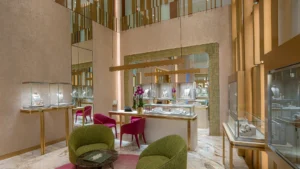
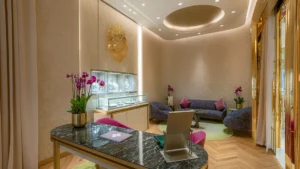
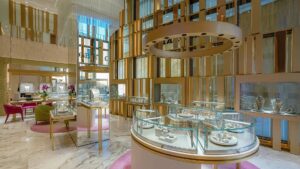
Our published Printemps Doha project describes the supply of custom millwork, retail display furniture and loose furniture. Review the stated supply scope when assessing its relevance to your own project.
This article provides manufacturing and procurement guidance. The final product configuration, acceptance criteria and delivery scope are defined by the approved drawings, specifications, samples and order documents for each project.
Explore Commercial Furniture Project Resources
Continue with our commercial furniture solutions and selected projects.