Whole-Home Furniture Package Guide for Luxury Residential Projects
A room schedule should show both the product category and its approval status. Confirm furniture dimensions alongside rug sizes, light positions and accessory allocation before treating the whole room as ready for procurement.
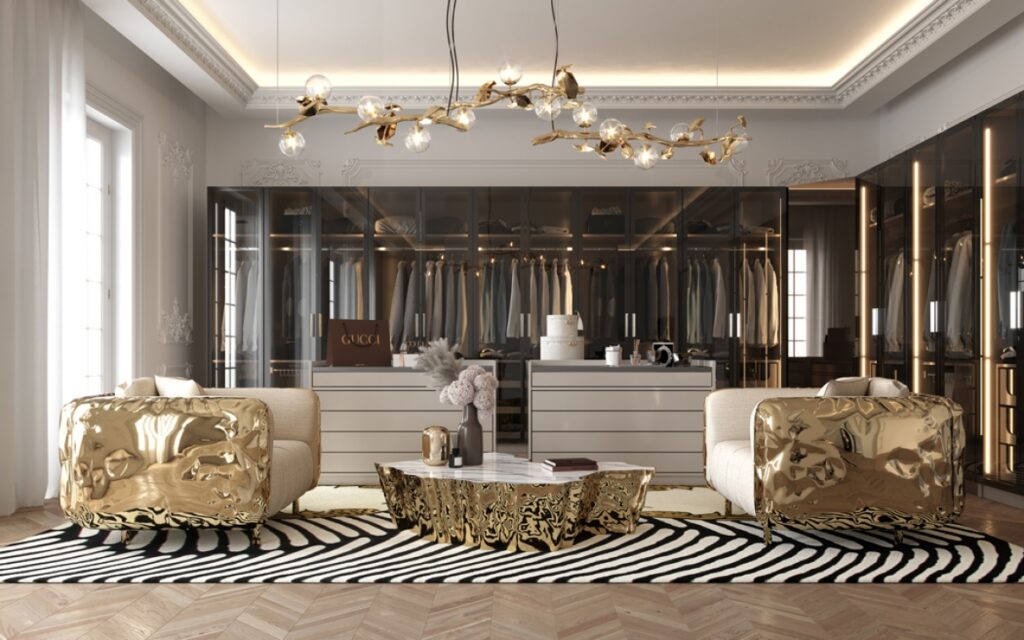
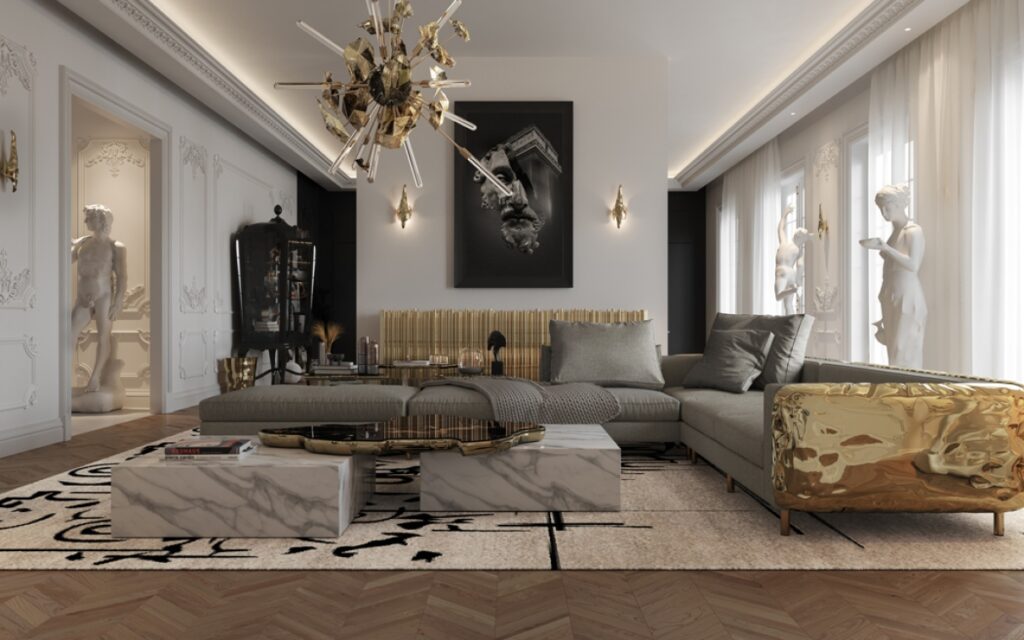
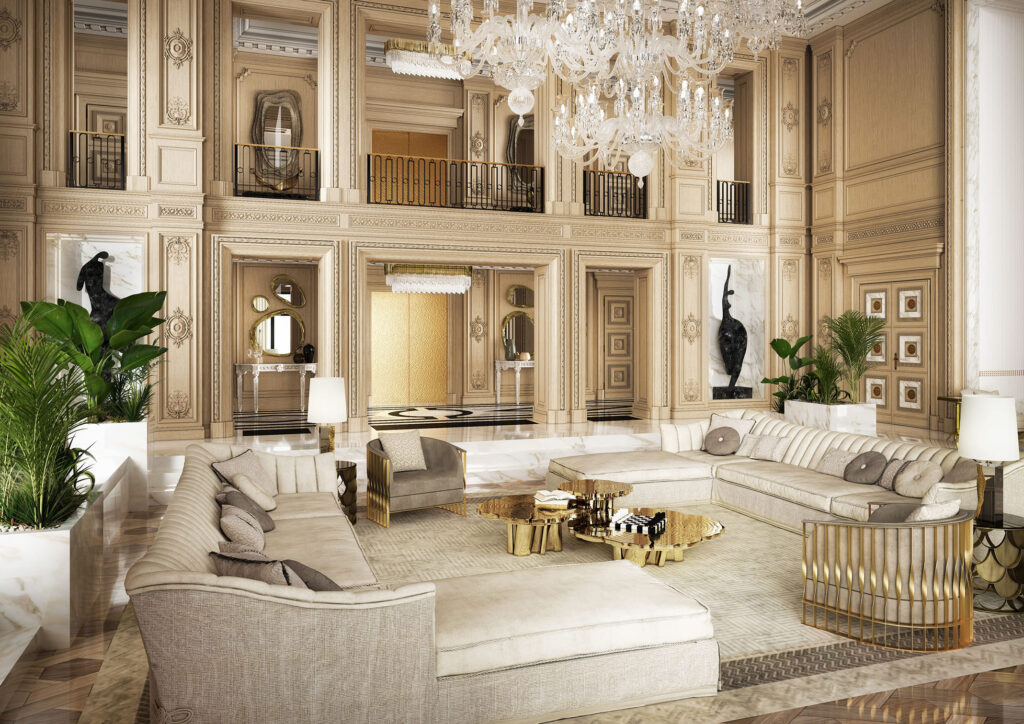
A whole-home furniture package brings the furniture and interior furnishing requirements of a luxury residence into one coordinated procurement scope. Instead of purchasing the living room, dining room, bedrooms, outdoor areas and decorative items separately, the project can be planned as an integrated package based on the complete residential design.
For private villas, penthouses, luxury apartments and high-end residential developments, this approach can include loose furniture, fixed interiors, mattresses, custom rugs, decorative lighting, artwork, interior decorative accessories and outdoor furniture.
The objective is not simply to buy more products from one supplier. A properly managed whole-home package coordinates dimensions, materials, finishes, colors, quantities, samples, production, quality control, packing and delivery across the entire residence.
This guide explains how to define, organize and procure a whole-home furniture package for a luxury residential project.
Separate Package Scope from Product Approval
A room schedule should show both the product category and its approval status. Confirm furniture dimensions alongside rug sizes, light positions and accessory allocation before treating the whole room as ready for procurement.
Craftell Home combines custom furniture manufacturing with coordinated FF&E supply. Keep a distinct specification for each category even when the products are shipped as one project package.
1. What Is a Whole-Home Furniture Package?
A whole-home furniture package is a coordinated furniture and FF&E procurement scope covering multiple rooms and product categories within the same residence.
Depending on the project, the package may include:
| • Living room furniture | • Dining room furniture |
| • Bedroom furniture | • Study furniture |
| • Lounge furniture | • Fixed interiors |
| • Mattresses | • Custom rugs |
| • Decorative lighting | • Artwork |
| • Decorative accessories | • Outdoor furniture |
The exact scope should be determined by the interior design, project budget and procurement strategy.
For some projects, the package may focus mainly on loose furniture. For others, it may extend into wardrobes, vanities, wall panels, built-in storage and other fixed interiors.
2. Why Coordinate the Residence as One Package?
Luxury residences often contain many individual furniture items, but they are designed as one interior environment.
The living room sofa, dining chairs, bedroom furniture and decorative lighting may use different materials, yet they still need to follow a coordinated design direction.
Managing the project as one package can help coordinate:
| ✓ Material references | ✓ Wood finishes |
| ✓ Metal finishes | ✓ Stone selections |
| ✓ Fabrics and leather | ✓ Color relationships |
| ✓ Furniture proportions | ✓ Quality standards |
| ✓ Packaging | ✓ Delivery schedule |
This is particularly useful when the same finish or material appears in several areas of the residence.
Instead of approving each item independently, the project team can establish common material and finish references for the complete package.
3. Divide the Project by Residential Area
The first step is to divide the residence into clearly defined furniture areas.
A typical luxury residential project may include:
| Area | Typical Furniture |
|---|---|
| Entrance / Foyer | Console, bench, mirror and decorative furniture |
| Formal Living Room | Sofas, lounge chairs, coffee tables, side tables and consoles |
| Family Living Room | Sectional sofas, lounge chairs, coffee tables and TV furniture |
| Dining Room | Dining table, dining chairs, sideboard and display furniture |
| Primary Bedroom | Bed, nightstands, bench, lounge chair, dresser and mattress |
| Secondary Bedrooms | Beds, nightstands, desks, chairs, dressers and mattresses |
| Study / Home Office | Desk, task chair, lounge furniture and storage |
| Entertainment Areas | Sofas, lounge chairs, bar furniture and occasional tables |
| Outdoor Areas | Outdoor sofas, lounge chairs, dining furniture, sun loungers and side tables |
Breaking the project into areas makes it easier to build the BOQ and verify that no rooms have been missed.
4. Define Loose Furniture Separately
Loose furniture normally forms the largest visible part of the whole-home package.
Typical categories include:
Sofas / Sectional Sofas / Lounge Chairs / Dining Tables / Dining Chairs / Coffee Tables / Side Tables / Consoles / Beds / Nightstands / Benches / Desks / Dressers / Ottomans
Each item should have its own furniture code, quantity, dimensions and specification.
For example:
| Code | Product | Area | Qty |
|---|---|---|---|
| LR-SF-01 | 3-Seat Sofa | Formal Living | 2 |
| LR-LC-01 | Lounge Chair | Formal Living | 4 |
| LR-CT-01 | Coffee Table | Formal Living | 2 |
| DR-TB-01 | Dining Table | Dining Room | 1 |
| DR-CH-01 | Dining Chair | Dining Room | 10 |
This structure connects the design drawings, quotation, production documents and packing list.
5. Include Fixed Interiors Where Required
Whole-home packages can also include fixed furniture and architectural joinery.
Typical residential fixed interiors include:
| • Headboards | • Wall panels |
| • Wardrobes | • Vanities |
| • Built-in cabinets | • TV units |
| • Display cabinets | • Built-in desks |
| • Storage | • Decorative joinery |
Fixed interiors should be separated clearly from loose furniture because their technical requirements are different.
Loose furniture is primarily coordinated with the furniture layout.
Fixed interiors also need to coordinate with site dimensions, walls, floors, electrical positions, lighting, stone, skirting and installation conditions.

6. Build the Whole-Home Furniture BOQ
The BOQ should become the central commercial document for the furniture package.
Each item should normally include:
| BOQ Field | Information |
|---|---|
| Item Code | Unique furniture identification |
| Product Name | Clear product description |
| Room / Area | Installation or placement location |
| Quantity | Required number |
| Dimensions | W × D × H |
| Materials | Main construction and visible materials |
| Finish | Wood, metal, stone or paint finish |
| Upholstery | Fabric / leather reference where applicable |
| Drawing Ref. | Relevant design or shop drawing |
| Remarks | Special project requirements |
A complete BOQ allows the buyer and manufacturer to review the same scope.
Avoid descriptions such as “villa furniture package” without individual product details.
7. Cross-Check Quantities with the Furniture Layout
Furniture quantities should be verified against the latest furniture layout before quotation and again before purchase order.
Check:
| ✓ Every room is included | ✓ Every item has a code |
| ✓ BOQ quantities match plans | ✓ Mirrored rooms are identified |
| ✓ Repeated bedrooms are counted | ✓ Outdoor areas are included |
| ✓ Fixed furniture is separated | ✓ Decorative categories are included |
Large residences may contain similar items in several bedrooms, which makes quantity errors easy to overlook.
The furniture plan and BOQ should always use the same item codes.
8. Coordinate Furniture Dimensions Across the Residence
Furniture should be customized according to the actual space rather than scaled independently.
Important relationships include:
Sofa ↔ Coffee Table
Dining Table ↔ Dining Chairs
Bed ↔ Nightstands
Desk ↔ Chair
Outdoor Sofa ↔ Coffee Table
For example, changing the sofa length may affect the coffee-table dimensions and circulation around the living room.
Changing the bed width may affect the nightstand dimensions and wall-panel layout.
Whole-home furniture coordination should therefore review furniture groups rather than only individual products.
9. Develop a Coordinated Material Palette
Luxury residential projects often use a controlled palette of materials throughout the home.
This may include:
| Material Category | Examples |
|---|---|
| Wood | Walnut, oak, ash or other specified species |
| Veneer | Natural veneer, dyed veneer or special veneer |
| Stone | Marble, quartzite or engineered stone |
| Metal | Stainless steel, brass, bronze or coated metal |
| Upholstery | Fabric, leather and performance textiles |
| Glass | Clear, tinted, textured or decorative glass |
| Decorative Finishes | Lacquer, specialty paint and textured finishes |
Not every room needs to use exactly the same materials.
The objective is to establish a controlled relationship between different finishes so the residence feels coordinated rather than assembled from unrelated products.
10. Create a Master Finish Schedule
When the same finish appears on multiple products, it should have a common reference.
For example:
WF-01 — Walnut Veneer, Medium Brown, Matte
MF-02 — Brushed Champagne Metal
ST-03 — Light Natural Stone
The same finish code can then be referenced across different furniture items.
This helps the manufacturer control consistency and allows the design team to approve a smaller number of master references.
A finish schedule can cover:
| ✓ Wood finishes | ✓ Paint finishes |
| ✓ Metal finishes | ✓ Stone references |
| ✓ Glass | ✓ Fabrics |
| ✓ Leather | ✓ Decorative hardware |
11. Coordinate Upholstery Across Different Rooms
A whole-home project may contain dozens of upholstered products.
These can include:
Sofas / Lounge Chairs / Dining Chairs / Beds / Benches / Ottomans / Headboards
The upholstery schedule should identify:
| • Fabric / leather supplier | • Reference code |
| • Color | • Required quantity |
| • Pattern repeat | • Fabric direction |
| • Application | • Performance requirements |
Different fabrics can be used throughout the residence while still maintaining a coordinated palette.
Where the client or designer supplies COM/COL materials, responsibility for ordering, delivery and wastage should be confirmed before production.
12. Include Mattresses as a Separate Category
Where the furniture package includes bedrooms, mattresses should be identified separately from the bed furniture.
The schedule should define:
| ✓ Mattress size | ✓ Mattress height |
| ✓ Quantity | ✓ Comfort requirement |
| ✓ Bed compatibility | ✓ Project-specific specification |
The finished bed height should be reviewed together with the mattress.
A bed frame and mattress should not be developed independently if the final sleeping height is important to the interior design.
13. Coordinate Custom Rugs with Furniture Layouts
Custom rugs can help define furniture groups within large luxury residences.
Typical applications include:
| • Formal living room | • Family living room |
| • Dining room | • Primary bedroom |
| • Lounge | • Study |
Rug dimensions should be coordinated with the actual furniture layout.
For example, a living-room rug may need to relate to the sofa length, lounge-chair positions and coffee-table arrangement.
Custom rug specifications may include size, shape, pattern, pile construction, colors and edge details.
14. Integrate Decorative Lighting into the Package
Decorative lighting can form part of the coordinated residential FF&E package.
Typical products include:
| • Chandeliers | • Pendant lights |
| • Floor lamps | • Table lamps |
| • Wall lights | • Decorative feature lighting |
Lighting should be coordinated with furniture placement and room proportions.
For example, a chandelier above a dining table needs to align with the table position, while bedside pendant lights need to coordinate with the bed and nightstand layout.
Electrical requirements and installation responsibility should be confirmed separately from furniture manufacturing.
15. Include Artwork and Decorative Accessories
Artwork and accessories can complete the interior package and help maintain a consistent design direction throughout the residence.
The scope may include:
Wall Art / Sculptures / Decorative Objects / Mirrors / Vases / Tabletop Accessories
These products should still be included in the BOQ if they are part of the procurement package.
For large projects, identify their intended room and placement so packing and site distribution remain organized.
16. Plan Outdoor Furniture as Part of the Residence
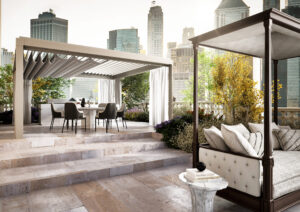
Luxury villas and penthouses often contain significant outdoor furniture requirements.
Typical areas include:
| • Poolside | • Terrace |
| • Balcony | • Outdoor dining |
| • Outdoor lounge | • Garden |
Products may include outdoor sofas, lounge chairs, dining tables, dining chairs, sun loungers, side tables and umbrellas.
Outdoor furniture should be developed according to the local environment and may require:
| ✓ UV-resistant materials | ✓ Quick-dry foam |
| ✓ Weather-resistant construction | ✓ Moisture resistance |
| ✓ Corrosion-resistant components | ✓ Outdoor upholstery |
| ✓ Custom dimensions | ✓ Umbrella coordination |
Outdoor furniture should be treated as its own technical category while remaining visually connected to the overall residence.
17. Use Shop Drawings for Custom Furniture
Custom furniture requires technical information beyond the original design concept.
Shop drawings may need to define:
| ✓ Overall dimensions | ✓ Internal construction |
| ✓ Material thickness | ✓ Veneer direction |
| ✓ Stone details | ✓ Metal profiles |
| ✓ Upholstery seams | ✓ Hardware |
| ✓ Joint details | ✓ Fixing methods |
For complex furniture, plans, elevations, sections and enlarged details may all be required.
Approved shop drawings should become part of the controlled production documents.
18. Sample Materials Before Production
Material approval should happen before mass production begins.
Typical samples include:
Wood / Veneer / Paint / Metal / Stone / Glass / Fabric / Leather / Hardware
The approved samples establish the visual standard for production.
Where natural materials such as stone, timber or leather have inherent variation, the acceptable variation range should also be discussed.
This helps avoid disputes when production materials do not look identical to a small sample.
19. Prototype Key Furniture Items
Not every furniture item requires a full prototype.
Priority should be given to products that are:
| • Repeated in quantity | • Highly customized |
| • Upholstered | • Ergonomically important |
| • Technically complex | • Visually important |
Examples may include the main living-room sofa, dining chair, primary bed or a complex custom lounge chair.
A prototype allows the project team to review:
Dimensions → Proportions → Comfort → Construction → Materials → Finish
Approved comments should then be incorporated into the final production documents.
20. Control Production by Furniture Category
A whole-home furniture package may move through several manufacturing processes at the same time.
Typical workstreams include:
| Category | Production Focus |
|---|---|
| Wood Furniture | Machining, veneer, assembly, sanding and finishing |
| Upholstery | Frame, foam, sewing and upholstery |
| Metal | Fabrication, welding, polishing and finishing |
| Stone | Selection, cutting, edge finishing and reinforcement |
| Fixed Interiors | Panel production, hardware and installation preparation |
| Outdoor | Weather-resistant materials and construction |
Project management needs to coordinate these different workstreams into one delivery schedule.
21. Establish Quality Control References
Quality inspection should use the approved project documents.
The main references may include:
| ✓ Approved BOQ | ✓ Approved shop drawings |
| ✓ Material samples | ✓ Finish samples |
| ✓ Fabric / leather references | ✓ Approved prototypes |
| ✓ Hardware specifications | ✓ Packing requirements |
Quality control can then cover:
Dimensions / Construction / Stability / Finish / Upholstery / Hardware / Function / Quantity / Labels / Packing
This is more reliable than inspecting only against a general factory standard.
22. Manage Consistency Across Multiple Rooms
Consistency becomes particularly important when the same finish appears throughout the residence.
Examples include:
Walnut finish across living room, dining room and bedrooms
Champagne metal across tables, consoles and bedside furniture
The same leather across dining chairs and lounge furniture
Approved master samples should remain available during production so different batches can be compared against the same reference.
For repeated furniture items, first-off inspection can help establish the production standard before the full quantity is completed.
23. Organize Packing by Room and Item Code
Whole-home projects can generate a large number of packages.
Furniture should therefore be labeled according to the project structure.
Typical labels may include:
| • Project name | • Floor |
| • Room / area | • Item code |
| • Product name | • Package number |
| • Quantity | • Handling marks |
A package marked only “side table” is not enough when several different side tables are used throughout the residence.
Clear room and item identification makes site receiving and furniture placement much easier.
24. Plan Delivery in the Correct Sequence
The entire residence does not always need to arrive at the site at the same time.
Delivery can be coordinated according to:
| • Construction progress | • Floor |
| • Room readiness | • Fixed-interior installation |
| • Loose furniture placement | • Outdoor completion |
Fixed interiors may need to arrive earlier than loose furniture.
Decorative accessories may be delivered later to avoid damage during installation.
The delivery strategy should reflect the actual site schedule.
25. Define Installation Responsibility
Whole-home packages often combine products with very different installation requirements.
Loose furniture may need:
Unpacking → Assembly → Positioning
Fixed interiors may require:
Site Measurement → Installation → Adjustment → Final Touch-Up
Decorative lighting requires appropriate electrical installation.
For international projects, installation responsibility can be defined as:
Client / Local Contractor
A common structure is manufacturing in China with fixed joinery and fit-out installation completed locally.
26. Prepare for Final Styling and Handover
The final stage of a luxury residential project is not only placing furniture in each room.
The complete environment may require coordination of:
Furniture + Rugs + Lighting + Artwork + Decorative Accessories
Before handover, check:
| ✓ Correct furniture placement | ✓ Furniture is level and stable |
| ✓ No transport damage | ✓ Upholstery is clean |
| ✓ Lighting is positioned correctly | ✓ Rugs align with furniture |
| ✓ Artwork is assigned correctly | ✓ Accessories match room schedule |
| ✓ Missing items are recorded | ✓ Defects are documented |
A final room-by-room checklist can help close the project systematically.
27. Common Whole-Home Furniture Procurement Mistakes
Several problems occur repeatedly when managing complete residential packages.
Buying Room by Room Without an Overall Schedule
Materials and finishes can become inconsistent across the residence.
Finalizing Quantities Before the Furniture Layout
Furniture changes later create BOQ discrepancies.
Treating Fixed Furniture Like Loose Furniture
Site dimensions and installation interfaces are overlooked.
Approving Materials Without Reference Codes
The production team has no controlled master reference.
Making Changes Without Updating Drawings
The sample and production documents describe different versions.
Packing Without Room Identification
Site teams need to open packages simply to determine where products belong.
Ignoring Installation Responsibility
Furniture arrives before the project team has determined who will assemble or install it.
28. Whole-Home Furniture Package Checklist
Before placing the order, confirm:
| ✓ Complete room list | ✓ Approved furniture layout |
| ✓ Furniture BOQ | ✓ Item codes |
| ✓ Final quantities | ✓ Product dimensions |
| ✓ Loose furniture scope | ✓ Fixed-interior scope |
| ✓ Mattress requirements | ✓ Custom rugs |
| ✓ Decorative lighting | ✓ Artwork and accessories |
| ✓ Outdoor furniture | ✓ Materials |
| ✓ Finish schedule | ✓ Fabric / leather schedule |
| ✓ Shop drawings | ✓ Material samples |
| ✓ Prototype requirements | ✓ Quality standards |
| ✓ Packing labels | ✓ Delivery schedule |
| ✓ Installation responsibility | ✓ Project handover requirements |
A complete package should connect the design, procurement and manufacturing information from the beginning of the project through final delivery.
From Whole-Home Furniture Scope to Project Delivery
A luxury residential furniture package works best when the entire residence is treated as one coordinated project rather than a collection of unrelated furniture purchases.
A structured workflow can follow:
Residential Design → Room Schedule → Furniture Layout → Scope & BOQ → Technical Development → Materials & Finishes → Samples → Prototypes → Production → Quality Control → Room-Based Packing → Export Delivery → Local Installation → Final Placement
This approach provides clearer control over furniture quantities, materials, finish consistency, production and site delivery.
Craftell Home works as a Custom Furniture Manufacturer & FF&E Project Supplier, supporting luxury villas, apartments, penthouses and private residences with loose furniture, fixed interiors, mattresses, custom rugs, decorative lighting, outdoor furniture, artwork and interior decorative accessories.
Luxury Residential Procurement Questions
What is included in a whole-home furniture package?
The scope can include living room furniture, dining furniture, bedroom furniture, study furniture, mattresses, fixed interiors, custom rugs, decorative lighting, artwork, decorative accessories and outdoor furniture, depending on the project.
Is a whole-home furniture package suitable for a private villa?
Yes. It is particularly useful for villas with multiple bedrooms and living areas because furniture, materials, finishes, quantities, packing and delivery can be coordinated across the complete residence.
Can loose furniture and fixed interiors be supplied together?
Yes, provided the manufacturer has capability in both categories. Fixed interiors require additional site coordination and local installation planning.
How should furniture quantities be controlled?
Use an approved furniture layout and BOQ with unique item codes. Quantities should be cross-checked room by room before the purchase order and again before production.
Do all furniture items need prototypes?
No. Full prototypes are usually more valuable for repeated, highly customized, upholstered, technically complex or visually important products. Material and finish samples should still be approved for the wider package.
Can decorative lighting, rugs and artwork be included with the furniture?
Yes. These categories can be incorporated into the overall FF&E package when they form part of the agreed supply scope.
How should a whole-home furniture package be packed?
Furniture should be protected according to product risk and labeled by project, room or area, item code and package number. This makes site receiving and placement more efficient.
Who installs the furniture on an international residential project?
Loose furniture may be assembled and positioned by the client or local team. Fixed interiors are typically installed by an experienced local joinery or fit-out contractor. The agreed responsibility should be confirmed before production.
Published by Craftell Home · Custom Furniture Manufacturer & FF&E Project Supplier
Related luxury residential furniture project
Our published Emirates Hills project describes the supply of custom living, dining and bedroom furniture, decorative lighting and rugs. Review the stated supply scope when assessing its relevance to your own project.
This article provides manufacturing and procurement guidance. The final product configuration, acceptance criteria and delivery scope are defined by the approved drawings, specifications, samples and order documents for each project.
Explore Luxury Residential Project Resources
Continue with our luxury residential solutions and selected projects.