Hotel Decorative Lighting Specification Guide: Size, Finish, Light Source & Installation
Published by Craftell Home · Custom Furniture Manufacturer & FF&E Project Supplier
A hotel decorative lighting specification should translate the interior design concept into clear technical requirements for procurement, manufacturing and project coordination. Fixture appearance alone is not enough. The specification should define dimensions, proportions, materials, finishes, light sources, electrical requirements and installation-related interface information before the product is released for production.
For hotel groups, developers, designers and FF&E procurement teams, a structured specification helps coordinate decorative lighting with guestrooms, lobbies, restaurants, bars and public areas while giving the manufacturer a clear reference for quotation, sample development, production and quality control.
Check the Fixture as a Complete Specification
A finish chip and an overall diameter do not define a complete luminaire. Confirm the fixing interface, weight, driver location, access for maintenance and the exact light-source specification on the same drawing. A visually approved sample should not be treated as approval of unverified electrical components.
For an illustrative sample review, compare the selected finish under the intended room lighting, then check the actual lamp or module with the specified driver and control system. Record the component references and unresolved questions separately from appearance approval. Product safety documentation must relate to the proposed fixture and destination, rather than an unrelated product from the same supplier.
1. Start with the Hotel Lighting Schedule
The specification should begin with a complete decorative lighting schedule.
Each fixture should be connected with:
| Item Code | Hotel Area |
| Fixture Type | Quantity |
| Dimensions | Materials |
| Finish | Light Source |
| Electrical Specification | Drawing Reference |
This schedule becomes the main connection between design, procurement and manufacturing.
2. Assign a Unique Item Code
Every decorative fixture should have a unique project item code.
For example:
| Item Code | Area | Fixture |
|---|---|---|
| LT-GR01 | Guestroom | Bedside Table Lamp |
| LT-GR02 | Guestroom | Wall Light |
| LT-LB01 | Lobby | Feature Chandelier |
| LT-RS01 | Restaurant | Pendant Light |
The same code should continue through drawings, samples, production, QC and packing.
3. Define the Fixture Type
Do not use only general descriptions such as “decorative light.”
Identify the actual product category:
| Chandeliers | Pendant Lights |
| Wall Lights | Table Lamps |
| Floor Lamps | Custom Decorative Lighting |
This makes the specification easier to manage across different hotel areas.
4. Identify the Exact Hotel Area
The same fixture type can have different requirements depending on its location.
Identify whether the fixture is used in:
Guestrooms & Suites → Lobby → Restaurant → Bar → Lounge → Corridor → Ballroom → Public Area
This provides context for dimensions, materials and electrical requirements.
5. Specify Overall Dimensions
Every fixture should have numerical dimensions.
Depending on the fixture, specify:
Width × Depth × Height
For circular fixtures:
Diameter × Height
Avoid relying only on reference images to communicate scale.
6. Specify the Overall Drop
For chandeliers and pendant lights, define the complete vertical dimension.
Record:
| Fixture Body Height | Suspension Length |
| Canopy Height | Overall Drop |
| Adjustable Range | Finished Fixture Level |
The overall drop should be coordinated with the approved ceiling height.
7. Coordinate Fixture Size with Ceiling Height
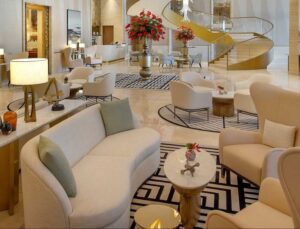
Fixture dimensions should be evaluated within the actual architectural space.
Review:
Ceiling Height → Fixture Height → Suspension Length → Finished Drop → Floor Level
This is particularly important for hotel lobbies, atriums, restaurants and ballrooms.
8. Coordinate Fixture Width with the Space
Fixture width should correspond with the scale of the surrounding area.
Review its relationship with:
| Room Width | Furniture Layout |
| Reception Counter | Dining Table |
| Lounge Group | Architectural Feature |
A technically correct fixture can still appear incorrectly proportioned if its scale is not coordinated with the space.
9. Coordinate Lighting with Furniture
Decorative lighting is visually connected with the FF&E package.
Examples include:
Pendant + Dining Table
Table Lamp + Bedside Table
Wall Light + Headboard
Floor Lamp + Lounge Chair
Feature Chandelier + Lobby Furniture
The lighting specification should therefore be reviewed alongside the relevant furniture drawings.
10. Coordinate Lighting with Fixed Interiors
Wall-mounted and suspended fixtures can interact directly with fixed interiors.
Coordinate with:
| Headboards | Wall Panels |
| Reception Counters | Bar Counters |
| Built-In Joinery | Feature Walls |
| Decorative Screens | Ceiling Features |
Critical interface dimensions should be confirmed before manufacturing.
11. Specify Canopy Dimensions
For suspended fixtures, define the ceiling canopy.
Specify:
Width / Diameter → Height → Material → Finish → Construction
For large chandeliers, the canopy can form an important part of both the technical and visual design.
12. Specify Wall-Light Backplates
Wall lights should have clear backplate dimensions.
Record:
| Width | Height |
| Depth | Shape |
| Material | Finish |
The backplate should be coordinated with wall panels, headboards and other architectural features.
13. Define the Main Materials
The specification should identify the actual materials used in each fixture.
These can include:
Metal → Glass → Stone → Fabric → Crystal → Acrylic / Resin → Decorative Components
Avoid describing a fixture only by its visual style.
14. Specify Metal Materials
For visible and structural metal components, record the approved material requirement.
The specification can identify:
| Metal Type | Component |
| Thickness where required | Surface Preparation |
| Finish | Approved Reference |
The exact requirement should correspond with the fixture construction.
15. Specify the Metal Finish
Metal finish should be defined more precisely than by a finish name alone.
Record:
Color → Texture → Gloss → Surface Direction → Finish Process → Approved Sample
A physical finish sample provides the clearest visual production reference.
16. Use Approved Finish Samples
Terms such as brushed brass, antique bronze or satin black can produce different results between suppliers.
The approved physical sample should establish:
| Color | Texture |
| Gloss Level | Surface Character |
| Direction | Acceptance Standard |
The sample reference should be recorded in the fixture specification.
17. Specify Glass Components
Glass should be defined according to the actual design.
Record:
Color → Transparency → Texture → Shape → Dimensions → Thickness → Edge Detail
Where a fixture contains many repeated glass components, the approved sample should establish the visual standard.
18. Specify Fabric Shades
For table lamps, floor lamps, wall lights and other fixtures using shades, define:
| Shade Dimensions | Shape |
| Fabric | Color |
| Lining | Frame |
| Edge Detail | Approved Reference |
The shade should be evaluated as part of the complete fixture.
19. Specify Stone and Decorative Materials
When a fixture includes stone, crystal, acrylic, resin or other decorative materials, identify each component separately.
Record:
Material → Dimensions → Color → Texture → Position → Quantity → Approved Reference
This helps maintain consistency during repeated production.
20. Coordinate Multiple Materials
Custom hotel lighting frequently combines several materials.
Examples include:
Metal + Glass
Metal + Stone
Metal + Fabric
Metal + Crystal
The specification should define the material transition, connection and finish relationship rather than treating each material independently.
21. Specify the Light Source
Every fixture should identify its approved light source.
Depending on the design, specify:
| Light Source Type | Quantity |
| Wattage | Lamp Holder |
| Integrated / Replaceable | Approved Reference |
The light source should be coordinated with the fixture construction.
22. Specify Color Temperature
Color temperature should follow the approved hotel lighting requirements.
Record the required value numerically rather than relying only on descriptions such as “warm light.”
Related fixtures within the same space should follow a coordinated lighting specification.
23. Specify Wattage
The fixture specification should identify the required wattage or other relevant power requirement.
This should correspond with:
Fixture Design → Light Source → Required Lighting Effect → Project Electrical Requirements
The approved electrical information should be established before production.
24. Specify Voltage
Voltage requirements should correspond with the project destination and approved electrical specification.
The lighting schedule should record the required voltage for each relevant fixture type.
This information should be confirmed before electrical components are finalized.
25. Specify Drivers and Electrical Components
Where applicable, define:
| Driver Type | Driver Specification |
| Lamp Holder | Wiring |
| Connectors | Other Required Components |
Electrical components should remain consistent with the approved project specification during production.
26. Specify Dimming Requirements
If dimming is required, it should be identified during specification rather than added after production.
Record the approved dimming requirement and ensure that the relevant light source and electrical components correspond with it.
Different hotel areas can have different lighting-control requirements.
27. Define Applicable Project Requirements
The specification should identify any electrical, testing or documentation requirements that apply to the actual project.
These requirements can influence:
Components → Wiring → Drivers → Construction → Testing → Documentation
Confirm them before finalizing the product specification.
28. Specify Fixture Weight Where Required
Large chandeliers and feature lighting can require fixture-weight information.
Record:
| Total Fixture Weight | Main Structure Weight |
| Decorative Component Weight | Component Breakdown |
This information can be provided to the client or relevant project team for coordination of the supporting structure and site conditions.
29. Define Mounting Interface Information
The lighting specification should identify how the fixture interfaces with the project location.
Relevant information can include:
Canopy → Backplate → Suspension Points → Mounting Plate → Fixture Connection
This allows the client and local contractor to coordinate the required site conditions.
30. Coordinate Ceiling Conditions
For suspended lighting, the project team should confirm the actual ceiling and supporting conditions.
The lighting manufacturer should provide the relevant fixture dimensions, weight and connection information required for coordination.
Site structural conditions remain subject to confirmation by the relevant project team.
31. Coordinate Wall Conditions
For wall lights, confirm:
| Fixture Position | Backplate Dimensions |
| Mounting Height | Wall Finish |
| Headboard / Panel Position | Electrical Point |
This is particularly important in repeated guestrooms.
32. Coordinate Electrical Points
Fixture positions should correspond with the project electrical layout.
Check:
Fixture Centerline → Electrical Point → Mounting Position → Furniture / Joinery Relationship
Differences between lighting drawings and interior drawings should be resolved before manufacturing dimensions are finalized.
33. Provide Installation-Related Product Information
The manufacturer should provide the product information required by the client or local contractor to understand the fixture configuration.
Depending on the product, this can include:
| Fixture Drawing | Component Identification |
| Mounting Interface | Suspension Information |
| Electrical Information | Assembly Reference |
| Product Weight | Hardware Information |
This information supports project coordination without changing the manufacturer’s scope of supply.
34. Define On-Site Installation Responsibility
Craftell Home focuses on decorative lighting manufacturing, quality control, project-based packing and export delivery.
On-site installation is not included in Craftell Home’s scope of supply and is handled by the client or local contractor.
The project structure therefore follows:
Manufacturing in China → Quality Control → Project-Based Packing → Export Delivery → Local Contractor Installation
35. Develop the Physical Sample
For customized decorative lighting, the physical sample should be checked against the approved specification.
Review:
Size → Proportion → Materials → Finish → Light Source → Electrical Components → Workmanship → Appearance
Required modifications should be completed before production release.
36. Record Sample Revisions
If the sample changes, update the technical specification.
Typical revisions include:
| Fixture Dimensions | Suspension Length |
| Metal Finish | Glass |
| Shade Dimensions | Light Source |
| Electrical Components | Decorative Details |
Only the final approved revision should proceed to mass production.
37. Establish the Approved Production Standard
The approved sample and technical documentation should become the manufacturing benchmark.
Control:
Dimensions → Materials → Finish → Light Source → Electrical Specification → Construction → Workmanship → Appearance
This is particularly important for repeated hotel fixtures.
38. Control Production Consistency
Hotel projects can require hundreds of repeated decorative fixtures.
Production consistency should cover:
| Dimensions | Metal Finish |
| Glass | Shades |
| Light Source | Electrical Components |
| Assembly | Workmanship |
Repeated products should remain consistent with the approved standard.
39. Complete Final Quality Control
Before packing, inspect the completed fixture.
Check:
Item Code → Dimensions → Materials → Finish → Glass → Shade → Light Source → Electrical Specification → Assembly → Appearance → Accessories
The final inspection should correspond with the approved specification.
40. Plan Packing According to Fixture Construction
Lighting products require packing according to their size, materials and fragility.
Consider:
| Finished Metal Protection | Glass Protection |
| Shade Protection | Decorative Components |
| Electrical Components | Hardware |
| Large Fixture Breakdown | Package Identification |
Packing should be planned as part of the project process.
41. Separate Oversized Fixtures into Components
Large chandeliers can require component breakdown for transportation.
The packing structure can separate:
Main Frame → Suspension Components → Canopy → Glass → Decorative Components → Hardware
Each package should remain identifiable.
42. Use Project-Based Package Labels
Package labels can include:
| Project Name | Hotel Area |
| Item Code | Fixture Type |
| Quantity | Package Number |
| Component Reference | Destination |
The information should correspond with the final packing list.
43. Create a Complete Fixture Specification Sheet
Each custom fixture should ultimately have one controlled technical specification.
The sheet should include:
Item Code
Hotel Area
Fixture Type
Quantity
Overall Dimensions
Overall Drop
Canopy / Backplate Dimensions
Materials
Finish
Glass / Shade / Decorative Components
Light Source
Color Temperature
Wattage
Voltage
Driver / Electrical Components
Dimming Requirement
Approved Sample Reference
Fixture Weight where required
Mounting Interface Information
Packing Requirements
This becomes the principal reference for procurement and manufacturing.
44. Use a Final Pre-Production Checklist
Before mass production, confirm:
| Item Code Confirmed | Quantity Confirmed |
| Dimensions Confirmed | Overall Drop Confirmed |
| Materials Approved | Finish Approved |
| Glass / Shade Approved | Light Source Confirmed |
| Color Temperature Confirmed | Voltage Confirmed |
| Electrical Specification Confirmed | Sample Approved |
| Drawing Approved | Packing Requirements Confirmed |
Production should proceed only from the current approved project information.
Conclusion
A hotel decorative lighting specification should define much more than the appearance of a fixture. It should establish measurable requirements for size, materials, finishes, light source, electrical components and the interface information required for project coordination.
Fixture dimensions and overall drop should correspond with the architecture and furniture layout. Materials and finishes should be controlled through approved physical references. Light sources, voltage, color temperature and other electrical requirements should be confirmed according to the actual project. Mounting and interface information should be documented so the client or local contractor can coordinate the site conditions.
A structured specification process can follow:
Lighting Schedule → Fixture Dimensions → Materials & Finishes → Light Source & Electrical Specification → Mounting Interface Information → Technical Drawing → Sample Approval → Mass Production → Quality Control → Project-Based Packing → Export Delivery
For Craftell Home projects, the scope remains focused on manufacturing, quality control, project-based packing and export delivery, while on-site installation is handled by the client or local contractor.
Decorative Lighting Procurement & Production Questions
What should a hotel decorative lighting specification include?
It should include the item code, hotel area, fixture type, quantity, dimensions, overall drop, materials, finishes, light source, color temperature, wattage, voltage, electrical components, approved sample reference and relevant mounting-interface information.
How should chandelier size be specified?
Specify the fixture width or diameter, body height, suspension length, canopy dimensions and total overall drop, and coordinate these dimensions with the actual ceiling height and surrounding space.
Why should lighting finishes have physical approved samples?
Finish names alone do not precisely define color, texture, gloss or surface character. An approved physical sample provides a clearer manufacturing benchmark.
What light-source information should be included?
Define the approved light-source type, quantity, wattage, color temperature and related electrical components according to the project requirements.
Why is the project destination important for decorative lighting?
The destination can affect voltage, electrical specifications, required testing and documentation, so it should be confirmed before the electrical components are finalized.
What information is required for wall-mounted hotel lighting?
The specification should identify fixture dimensions, backplate dimensions, mounting position, electrical point and coordination with headboards, wall panels or other surrounding finishes.
Who handles on-site installation?
On-site installation is not included in Craftell Home’s scope of supply. It is handled by the client or local contractor using the relevant product and project information.
What should be approved before decorative lighting enters mass production?
The final dimensions, drawings, materials, finishes, light source, electrical specification, required project documentation and physical sample should be confirmed before production release.
Lighting safety and product-specific certification
UL Solutions explains lighting safety testing and certification. Use the resource to frame document requests; it does not certify the products described in this article.
Published by Craftell Home · Custom Furniture Manufacturer & FF&E Project Supplier
Related decorative lighting project
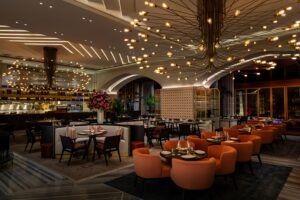
Our published Omni PGA Frisco project describes the supply of custom chandeliers, pendant lights, table lamps, floor lamps and wall sconces. Review the stated supply scope when assessing its relevance to your own project.
This article provides manufacturing and procurement guidance. The final product configuration, acceptance criteria and delivery scope are defined by the approved drawings, specifications, samples and order documents for each project.
Explore Lighting Project Resources
Continue with our lighting solutions and selected projects.