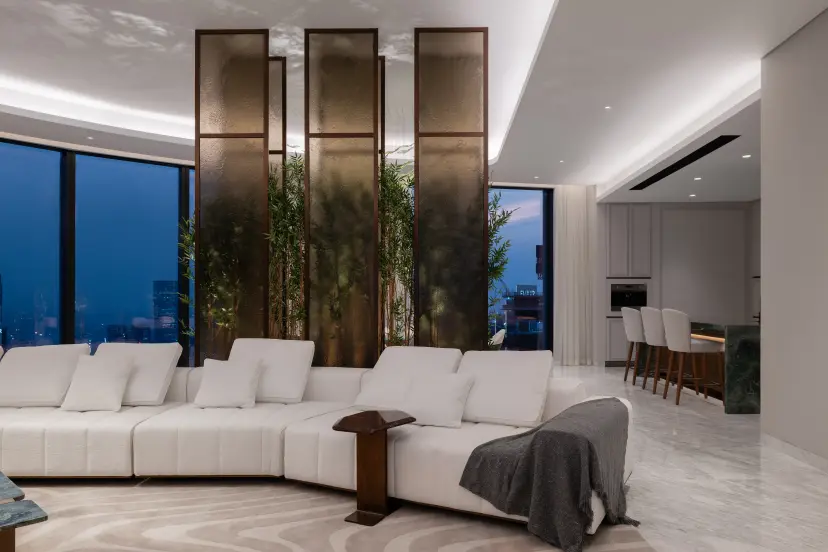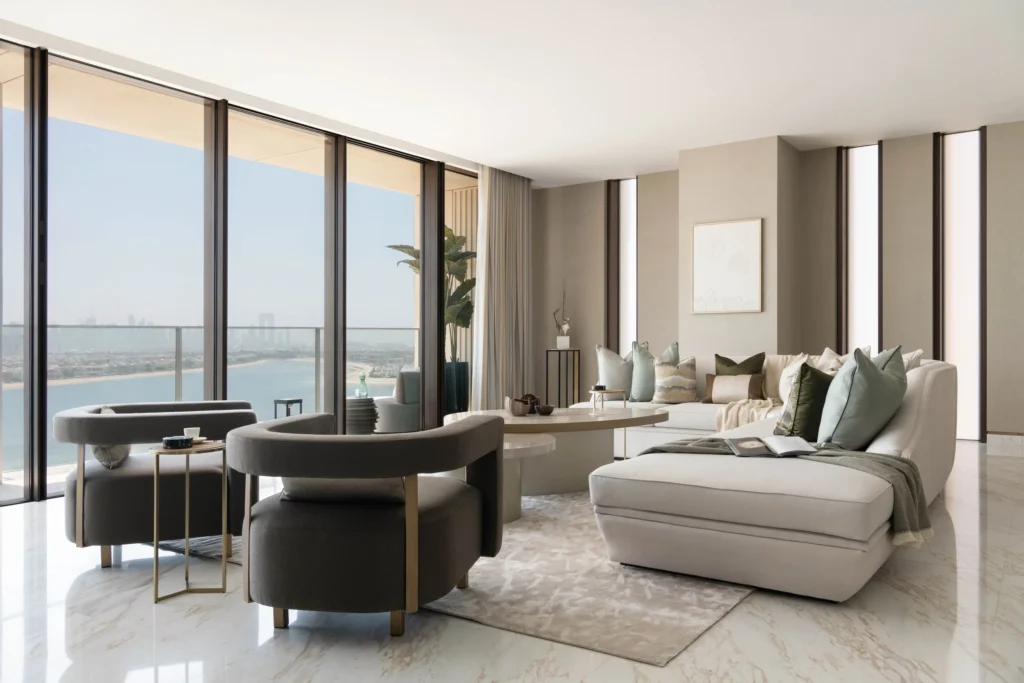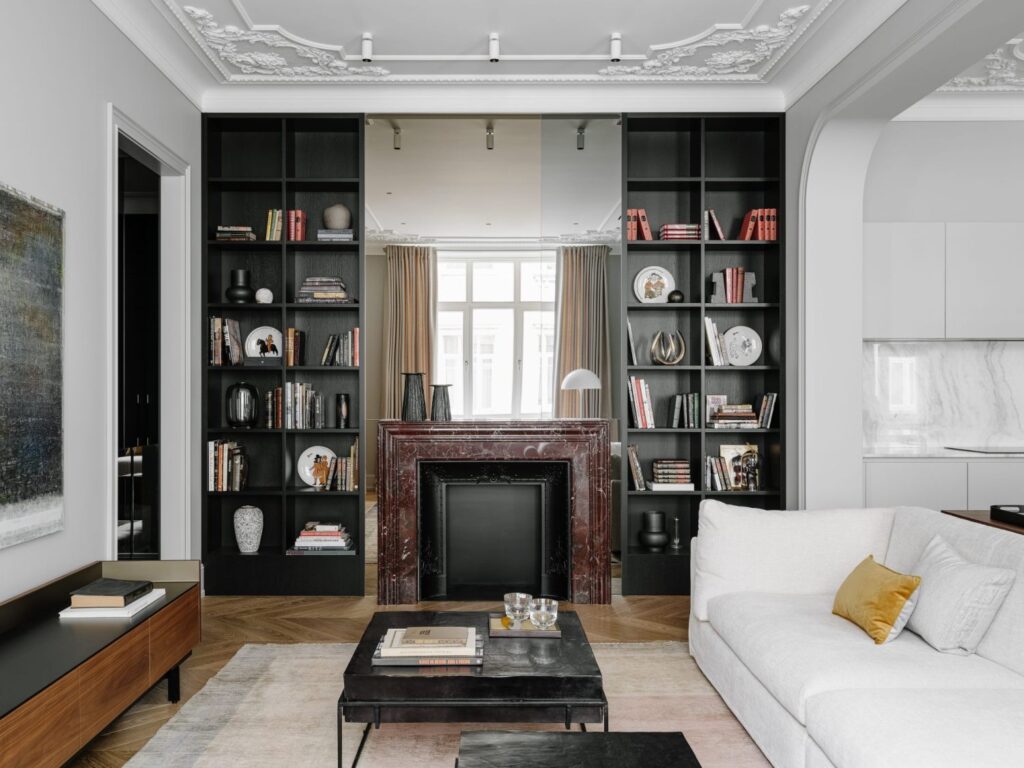
Apartment Furniture Packages: A Guide for Developers and Project Buyers
A package should name the products and quantities for each room rather than rely on a single apartment rendering. List mattresses, lighting, rugs and curtains separately from furniture so an excluded item is visible before quotation.
Apartment developments require furniture procurement to be managed at project scale. A single development can contain multiple apartment types, repeated furniture packages, different unit sizes, shared material specifications, common areas and hundreds or thousands of individual furniture items.
For developers and project buyers, the objective is not simply to purchase individual sofas, beds, tables and chairs. The objective is to create a structured furniture package that connects apartment layouts, unit types, furniture specifications, quantities, materials, production, quality control, packing and delivery.
A well-planned apartment furniture package helps control procurement costs, maintain consistency between units and simplify project delivery.
Define What One Apartment Package Contains
A package should name the products and quantities for each room rather than rely on a single apartment rendering. List mattresses, lighting, rugs and curtains separately from furniture so an excluded item is visible before quotation.
For Craftell Home, approved dimensions, materials and samples form the production reference. Keep package revisions linked to those approvals when a product is added or removed.
1. What Is an Apartment Furniture Package?
An apartment furniture package is a coordinated group of furniture and supporting FF&E products developed for one or more apartment types within a residential project.
Instead of purchasing each product separately, the package organizes products according to the apartment layout and project requirements.
A complete apartment furniture package includes:
| ✓ Living room furniture | ✓ Dining room furniture |
| ✓ Bedroom furniture | ✓ Mattresses |
| ✓ Custom rugs | ✓ Decorative lighting |
| ✓ Artwork | ✓ Interior decorative accessories |
| ✓ Fixed interiors | ✓ Outdoor furniture |
The exact quantity of each category is then calculated according to the apartment types and number of units in the development.
2. Why Developers Use Furniture Packages
Furniture packages allow developers to manage a large number of products through a more structured procurement system.
Instead of coordinating every product independently, the project can be organized around:
| ✓ Apartment types | ✓ Room packages |
| ✓ Furniture schedules | ✓ Standard specifications |
| ✓ Approved materials | ✓ Product codes |
| ✓ Production quantities | ✓ Unit-based packing |
This makes it easier to compare quotations, approve products, control production and track delivery.
3. Start with the Apartment Unit Types
The first step is to identify every apartment type within the development.
Typical configurations include:
| Unit Type | Typical Furniture Scope |
|---|---|
| Studio | Living/sleeping furniture, dining furniture and storage |
| 1-Bedroom | Living, dining and one bedroom package |
| 2-Bedroom | Living, dining and two bedroom packages |
| 3-Bedroom | Larger living/dining package and three bedrooms |
| Penthouse | Larger-scale and more customized furniture package |
Each unit type should have a separate furniture schedule even when several products are shared between different apartment types.
4. Build the Package Room by Room
After defining the unit types, organize furniture according to each room.
This creates a clear relationship between the apartment layout and the furniture BOQ.
A typical structure is:
Apartment Type → Room → Furniture Item → Item Code → Quantity
For example, a two-bedroom apartment can be divided into living room, dining area, master bedroom, second bedroom, entrance and balcony.
This room-by-room structure becomes the foundation for drawings, quantities, production and packing.
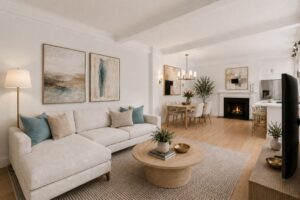
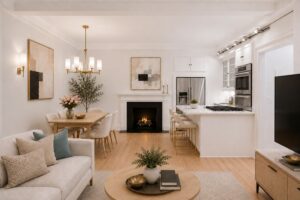
5. Living Room Furniture Package
The living room usually contains the largest concentration of loose furniture within an apartment.
A typical package includes:
| ✓ Sofa | ✓ Lounge chairs |
| ✓ Coffee table | ✓ Side tables |
| ✓ TV unit | ✓ Console |
| ✓ Custom rug | ✓ Decorative lighting |
| ✓ Artwork | ✓ Decorative accessories |
Furniture dimensions should be coordinated with the living-room layout rather than selected independently.
The sofa, coffee table, lounge chairs and rug should form one functional seating group while maintaining sufficient circulation around the room.
6. Dining Room Furniture Package
Dining furniture should be planned according to the number of occupants, available floor area and circulation around the table.
The package includes:
| ✓ Dining table | ✓ Dining chairs |
| ✓ Sideboard | ✓ Decorative lighting |
| ✓ Custom rug | ✓ Artwork / accessories |
The table size should be checked against the actual dining zone before production.
Adequate chair clearance should be maintained so occupants can use the dining area without obstructing nearby circulation.
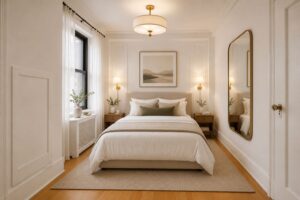
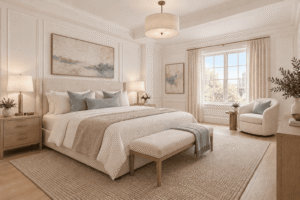
7. Bedroom Furniture Package
Bedroom furniture should be coordinated as a complete group rather than as separate products.
A bedroom package includes:
| ✓ Bed | ✓ Bedside tables |
| ✓ Mattress | ✓ Bench |
| ✓ Desk / vanity | ✓ Desk chair |
| ✓ Lounge chair | ✓ Custom rug |
| ✓ Decorative lighting | ✓ Artwork / accessories |
The furniture arrangement should be checked against doors, windows, wardrobes and circulation.
8. Mattresses and Sleep Products
Where mattresses are included in the apartment package, mattress dimensions should be coordinated with the bed construction before production.
Important information includes:
| ✓ Mattress size | ✓ Mattress height |
| ✓ Bed internal dimensions | ✓ Support structure |
| ✓ Comfort specification | ✓ Quantity by unit type |
For multi-unit developments, mattress specifications should be standardized wherever possible to simplify purchasing and replacement.
9. Fixed Interiors
Apartment furniture packages can also include fixed interior products.
Typical categories include:
| ✓ Wardrobes | ✓ Built-in storage |
| ✓ TV cabinets | ✓ Vanities |
| ✓ Wall panels | ✓ Headboards |
| ✓ Built-in desks | ✓ Decorative joinery |
Fixed interiors should be coordinated with architectural drawings and site dimensions separately from loose furniture.
Craftell Home’s scope covers manufacturing, quality control, packing, export and project delivery. On-site installation is not included and is handled by the client or local contractor.
10. Outdoor Furniture
Apartments with balconies, terraces, rooftop areas or private outdoor spaces require furniture developed specifically for outdoor use.
Typical products include:
| ✓ Outdoor sofas | ✓ Lounge chairs |
| ✓ Coffee tables | ✓ Dining tables |
| ✓ Dining chairs | ✓ Sun loungers |
| ✓ Side tables | ✓ Outdoor accessories |
Materials should be selected according to the project’s climate and expected exposure.
UV resistance, moisture resistance, corrosion resistance, quick-dry cushioning and outdoor-grade finishes should be considered where applicable.
11. Common-Area Furniture Should Be Managed Separately
Residential developments can also contain reception areas, lounges, clubhouses, business lounges and other shared spaces.
Common-area furniture should not be mixed into apartment-unit quantities.
A clearer BOQ separates:
| Apartment Units | Common Areas |
|---|---|
| Living room furniture | Reception furniture |
| Dining furniture | Lobby / lounge furniture |
| Bedroom furniture | Clubhouse furniture |
| Balcony furniture | Shared outdoor furniture |
This makes quantity control and packing significantly easier.
12. Create a Furniture Schedule for Every Unit Type
Once the package has been defined, prepare a furniture schedule for each apartment type.
The schedule should identify:
| Information | Example |
|---|---|
| Item Code | LR-SF-01 |
| Room | Living Room |
| Product | Sofa |
| Dimensions | W × D × H |
| Material / Finish | Approved reference |
| Quantity per Unit | 1 |
| Unit Type | 2-Bedroom |
| Drawing Reference | DWG-LR-SF-01 |
The same coding structure should be used throughout procurement.
13. Build the Project BOQ
The BOQ converts the furniture package into a procurement document.
It should connect individual apartment packages with the total development quantity.
For example:
Furniture Quantity per Unit × Number of Units = Project Quantity
If a development contains 25 one-bedroom apartments and each unit requires one sofa, the project requires 25 sofas for that unit type.
If 15 two-bedroom apartments use a different sofa, that item should be calculated separately.
This approach prevents similar but different products from being combined incorrectly.
14. Separate Shared Products from Unit-Specific Products
Not every apartment type requires completely different furniture.
Some products can be shared across several unit types, while others require different dimensions or specifications.
For example:
| Shared Product | Unit-Specific Product |
|---|---|
| Dining chair | Sofa |
| Side table | Dining table |
| Bedside table | TV unit |
| Decorative lamp | Custom desk |
Where the same product is genuinely identical, using one item code can simplify production.
Where dimensions or materials differ, separate codes should be created.
15. Coordinate Furniture Dimensions with the Apartment Layout
Furniture dimensions should be confirmed against the approved floor plan before production.
Important checks include:
| ✓ Wall dimensions | ✓ Door openings |
| ✓ Window positions | ✓ Circulation |
| ✓ TV locations | ✓ Electrical points |
| ✓ Wardrobe positions | ✓ Balcony access |
A sofa that is only 100 mm too long can create a circulation problem when repeated across dozens of apartments.
Dimension control therefore has a direct effect on project risk.
16. Develop a Consistent Material Palette
Apartment furniture packages often use a relatively controlled material palette across multiple rooms and unit types.
This can include:
| ✓ Wood veneer | ✓ Painted finishes |
| ✓ Metal | ✓ Stone |
| ✓ Glass | ✓ Fabric |
| ✓ Leather | ✓ Hardware |
A coordinated palette helps create visual consistency while also simplifying material purchasing and production.
17. Control Finishes Across Repeated Units
Consistency becomes more important as the number of apartments increases.
The same bedside table can appear in dozens or hundreds of units.
The manufacturer should therefore control:
| Material | Key Control |
|---|---|
| Veneer | Color and grain direction |
| Paint / Lacquer | Color and sheen |
| Metal | Tone and texture |
| Stone | Approved natural variation |
| Fabric | Color, direction and batch |
| Leather | Color and texture |
| Hardware | Model and finish |
Approved finish samples should remain available as production references.
18. Coordinate Furniture, Rugs, Lighting and Artwork
Furniture should not be treated independently from the supporting FF&E package.
The relationship between the sofa, rug, coffee table, decorative lighting and artwork determines how complete the apartment feels.
For project buyers, coordinating these categories within one procurement package can also simplify:
| ✓ Material coordination | ✓ Product coding |
| ✓ Quantity management | ✓ Quality control |
| ✓ Packing | ✓ Delivery |
The objective is a coordinated apartment interior rather than a collection of unrelated products.
19. Standardize Where It Makes Sense
Standardization can create significant efficiencies in multi-unit projects.
Suitable products for standardization can include:
| ✓ Dining chairs | ✓ Bedside tables |
| ✓ Side tables | ✓ Mattresses |
| ✓ Decorative lighting | ✓ Selected accessories |
However, standardization should not override apartment dimensions.
Larger units may require larger sofas, dining tables, beds or storage furniture even when the overall design language remains consistent.
20. Customize Where the Layout Requires It
Custom manufacturing is particularly useful when standard furniture dimensions do not work with the apartment plan.
Customization can cover:
| ✓ Dimensions | ✓ Materials |
| ✓ Finishes | ✓ Upholstery |
| ✓ Hardware | ✓ Construction details |
| ✓ Stone details | ✓ Metal details |
The objective is not to customize every item unnecessarily, but to use customization where it improves spatial fit, functionality or design consistency.
21. Use Product Codes Across the Entire Project
Every furniture item should have a unique code.
The code should connect:
BOQ → Drawing → Material Specification → Production → QC → Packing → Delivery
For multi-unit developments, the coding structure can also identify the apartment type and room.
For example:
2BR-LR-SF-01
can identify:
2-Bedroom → Living Room → Sofa → Item 01
A consistent coding system becomes increasingly valuable as project size increases.
22. Plan Production Around Repeated Furniture
Multi-unit projects create opportunities for controlled batch production.
Repeated sofas, dining chairs, beds, bedside tables and casegoods can be organized by item code and production quantity.
This can improve:
| ✓ Material purchasing | ✓ Production scheduling |
| ✓ Finish consistency | ✓ Quality inspection |
| ✓ Quantity tracking | ✓ Packing preparation |
However, repeated production also means that an error can be repeated many times.
The first completed item of a high-quantity product should therefore be checked carefully before the full batch continues.
23. Control Production Quality
Quality control should compare completed furniture against approved project information.
Inspection should cover:
| Inspection Area | Typical Checks |
|---|---|
| Dimensions | Width, depth and height |
| Construction | Stability and structural details |
| Finish | Color, sheen and surface quality |
| Upholstery | Fabric direction, stitching and comfort |
| Hardware | Model and operation |
| Stone / Glass | Dimensions, edges and appearance |
| Appearance | Scratches, damage and cleanliness |
QC records should reference the same product codes used in the BOQ.
24. Compare Furniture Quotations on the Same Scope
Furniture prices cannot be compared accurately unless manufacturers are quoting the same specification.
Price differences can result from:
| ✓ Internal construction | ✓ Material grade |
| ✓ Veneer specification | ✓ Upholstery |
| ✓ Foam | ✓ Hardware |
| ✓ Metal thickness | ✓ Stone |
| ✓ Finish process | ✓ Packing standard |
Before comparing prices, normalize the specification and scope.
25. Understand What Affects Apartment Furniture Cost
The final project cost depends on more than furniture quantity.
Major cost factors include:
| ✓ Product dimensions | ✓ Construction complexity |
| ✓ Material selection | ✓ Upholstery specification |
| ✓ Custom finishes | ✓ Hardware |
| ✓ Order quantity | ✓ Product variation |
| ✓ Packing requirements | ✓ Delivery destination |
Large repeated quantities can improve manufacturing efficiency, while numerous small variations can increase production complexity.
26. Plan Packing by Apartment Unit
Packing is one of the most important parts of multi-unit furniture delivery.
Instead of packing only by product category, products should be traceable to their final destination.
A practical structure is:
Project → Building → Floor → Apartment → Room → Item
This allows the receiving team to identify where each package belongs.
27. Use Unit-Based Labels
Each package should carry enough information to identify its destination.
A label can include:
| Label Field | Example |
|---|---|
| Project | Apartment Development A |
| Building | Tower A |
| Floor | 12 |
| Apartment | 1208 |
| Unit Type | 2-Bedroom |
| Room | Living Room |
| Item Code | LR-SF-01 |
| Package No. | PKG-0187 |
This greatly reduces sorting problems after the furniture arrives at the project destination.
28. Connect the Packing List to the BOQ
The packing list should follow the same coding structure as the BOQ.
This creates a traceable chain:
Furniture Schedule → BOQ → Production → QC → Package → Container → Apartment
If a package is missing or damaged, the project team can identify the exact item and destination without searching through unrelated products.
29. Plan Container Loading Around Delivery Requirements
Container loading should consider both space efficiency and project receiving requirements.
Important factors include:
| ✓ Product dimensions | ✓ CBM |
| ✓ Fragile products | ✓ Heavy products |
| ✓ Apartment allocation | ✓ Delivery sequence |
| ✓ Container utilization | ✓ Unloading requirements |
Loading records and photographs provide additional traceability before shipment.
30. Coordinate Export Documentation
International apartment projects require accurate shipment documentation.
Typical documentation includes:
| ✓ Commercial invoice | ✓ Packing list |
| ✓ Transport document | ✓ Container information |
| ✓ Product records | ✓ Required declarations |
Documentation should match the actual shipment quantities and package information.
31. Evaluate Total Project Cost, Not Only Unit Price
For developers and project buyers, the lowest furniture unit price does not always create the lowest project cost.
The broader calculation should consider:
Furniture Cost + Quality Risk + Replacement Risk + Coordination Cost + Packing Risk + Delivery Risk
A manufacturer that maintains consistent specifications, quantities and packing can reduce problems that become expensive when multiplied across many apartments.

32. Apartment Furniture Package Checklist
Before placing the order, confirm:
| ✓ All apartment types are identified | ✓ Furniture scope is complete |
| ✓ Room-by-room schedules are prepared | ✓ BOQ quantities are checked |
| ✓ Furniture dimensions are approved | ✓ Materials are confirmed |
| ✓ Finish references are approved | ✓ Product codes are consistent |
| ✓ Production quantities are confirmed | ✓ QC requirements are defined |
| ✓ Unit-based labels are prepared | ✓ Packing lists match the BOQ |
| ✓ Delivery destination is confirmed | ✓ Project schedule is confirmed |
From Apartment Unit Types to Complete Furniture Delivery
A successful apartment furniture package connects every stage of procurement rather than treating furniture as a collection of separate products.
For developers and project buyers, the most effective structure is:
Apartment Types → Room-by-Room Furniture Packages → BOQ → Drawings & Dimensions → Materials & Finishes → Production → Quality Control → Unit-Based Packing → Export Delivery
This approach makes it easier to control furniture across multiple apartment types, repeated units and large project quantities while maintaining consistent specifications and visual standards.
For the manufacturer, the same system provides a clear production and delivery framework. For the project buyer, it creates traceability from the original furniture schedule to the package delivered for each apartment.
Apartment Furniture Procurement Questions
What is included in an apartment furniture package?
A complete package includes living room furniture, dining room furniture, bedroom furniture, mattresses, custom rugs, decorative lighting, artwork, interior decorative accessories, fixed interiors and outdoor furniture according to the project scope.
Should every apartment type have a separate furniture package?
Yes. Each unit type should have its own furniture schedule and quantities, even when some products are shared across several apartment types.
How are furniture quantities calculated for a multi-unit development?
Calculate the furniture required for one unit of each apartment type and multiply it by the confirmed number of those units. Common-area furniture should be calculated separately.
Can the same furniture design be used across different unit types?
Yes. The same design can be used where appropriate, but dimensions should be checked against each apartment layout. Different dimensions should use separate item codes.
Why is a BOQ important for apartment furniture procurement?
The BOQ connects item codes, quantities, specifications, unit types and room locations, providing a common reference for quotation, production, QC, packing and delivery.
How should apartment furniture be packed for delivery?
Furniture should be protected according to product type and labeled so each package can be traced to its building, floor, apartment, room and item code.
Is on-site installation included?
No. Craftell Home’s scope covers manufacturing, quality control, packing, export and project delivery. On-site installation is handled by the client or local contractor.
What information should developers provide before requesting a quotation?
Prepare apartment layouts, unit types, furniture schedules, BOQ, quantities, dimensions, material requirements, finish references, delivery destination and expected schedule.
Published by Craftell Home · Custom Furniture Manufacturer & FF&E Project Supplier
Related apartment furniture project
Our published 40-Unit Rental Apartment Project in Irvine project describes the supply of living, dining and bedroom furniture, with decorative lighting and other specified interior products. Review the stated supply scope when assessing its relevance to your own project.
This article provides manufacturing and procurement guidance. The final product configuration, acceptance criteria and delivery scope are defined by the approved drawings, specifications, samples and order documents for each project.
Explore Apartment Furniture Project Resources
Continue with our apartment furniture solutions and selected projects.