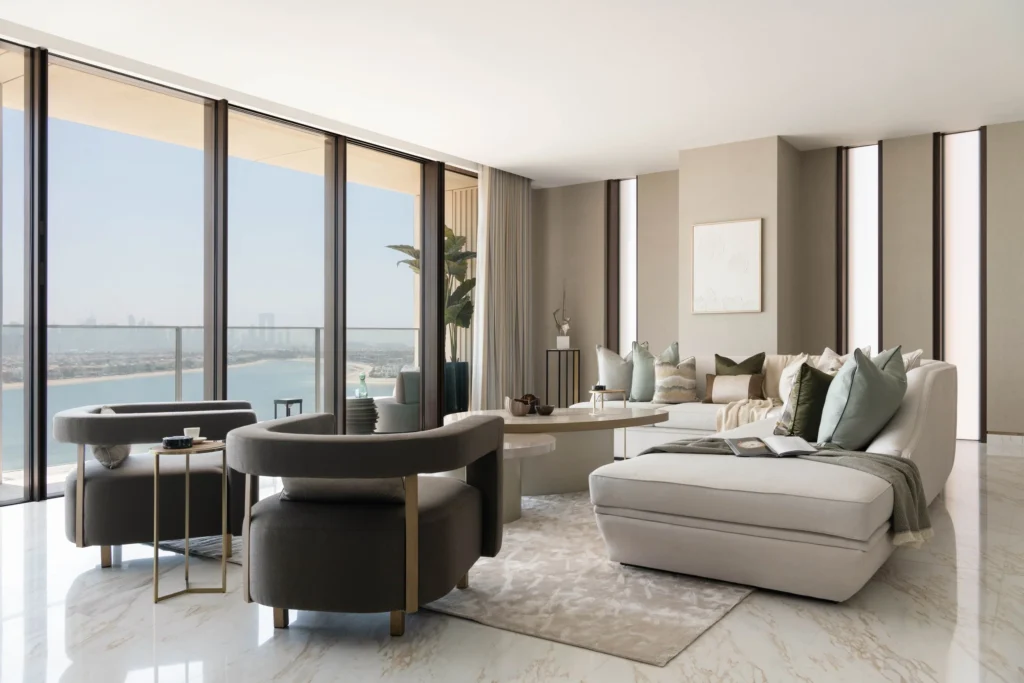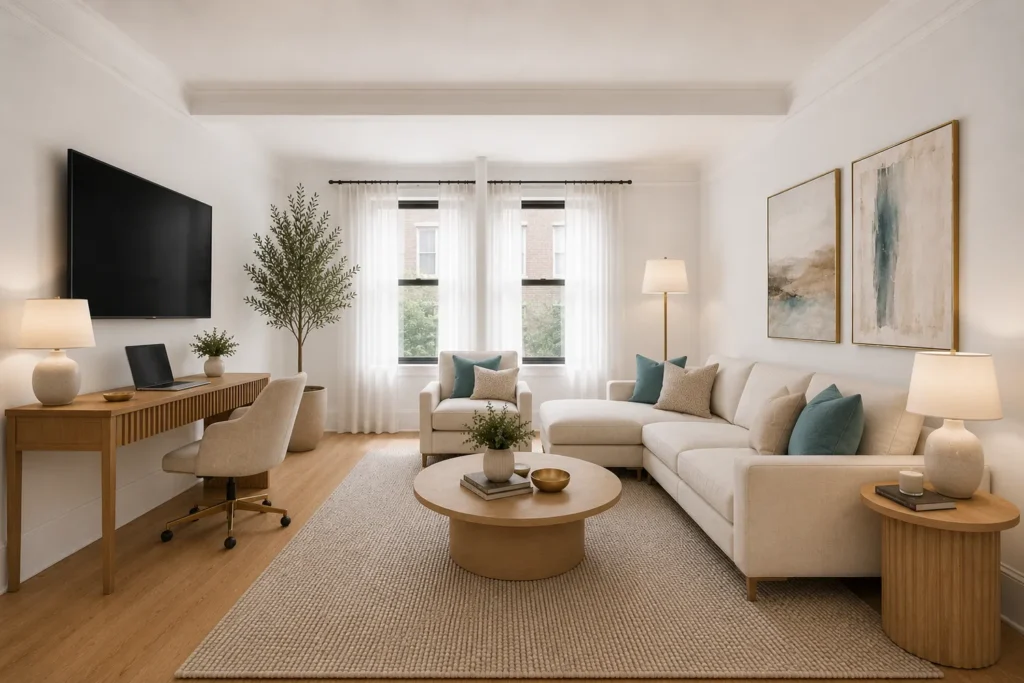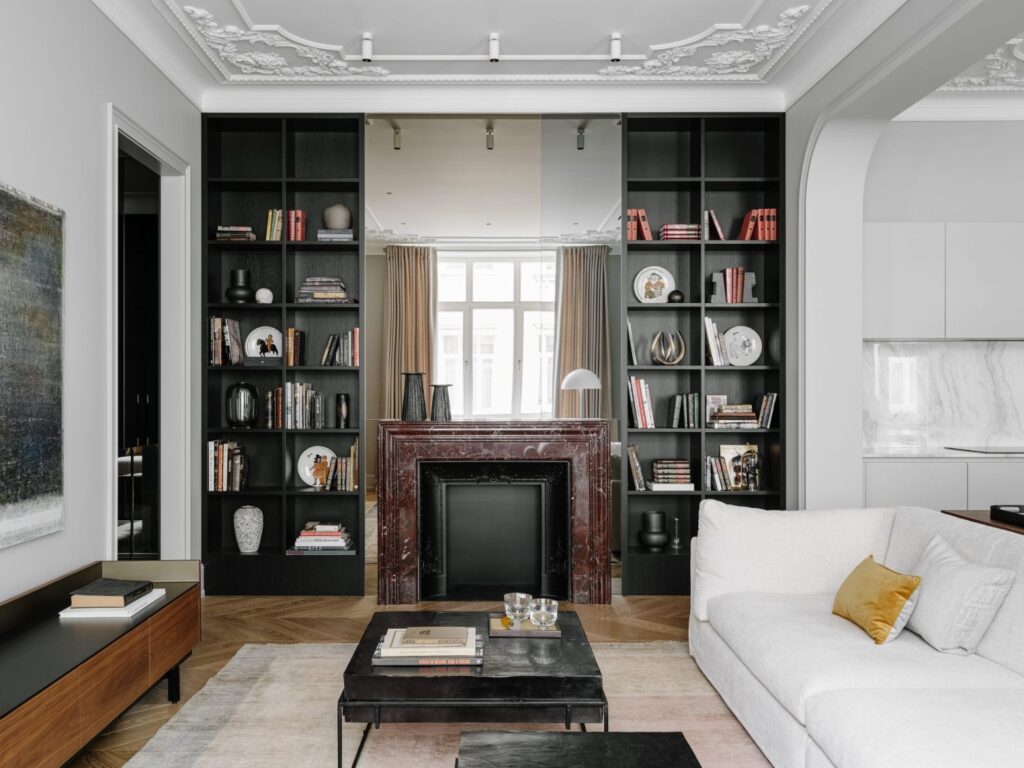
Apartment Furniture Cost Guide for Multi-Unit Development Projects
Separate the cost of each unit type before comparing the development total. A change to one recurring bedside cabinet or chair is repeated across the full quantity, so record dimensions, substrate, finish, hardware and upholstery alongside the price.
Furniture cost planning for a multi-unit residential development is different from pricing furniture for a single apartment. Project cost is affected not only by the price of individual sofas, beds, tables and chairs, but also by unit types, total quantities, product specifications, customization levels, materials, finishes, production complexity, packing and international delivery.
For developers, procurement companies and project buyers, the most useful approach is to build the furniture budget from the apartment unit structure upward. Each unit type should have a defined furniture package, quantity and specification before the project total is calculated.
This guide explains the main factors that affect apartment furniture costs and how to prepare a more accurate budget for multi-unit development projects.
Compare Apartment Quotes on the Same Specification
Separate the cost of each unit type before comparing the development total. A change to one recurring bedside cabinet or chair is repeated across the full quantity, so record dimensions, substrate, finish, hardware and upholstery alongside the price.
For Craftell Home production, the approved sample and material schedule should remain the reference for batch inspection; a lower quotation with different construction is a different specification.
1. Start with the Number of Units
The number of apartments is one of the first factors affecting the furniture budget, but total unit count alone is not enough.
A development should first be divided by unit type.
| Unit Type | Example Quantity |
|---|---|
| Studio | 30 Units |
| 1-Bedroom | 80 Units |
| 2-Bedroom | 50 Units |
| 3-Bedroom | 20 Units |
| Penthouse | 4 Units |
Each unit type can have different furniture quantities, dimensions and specifications.
The project budget should therefore be calculated by unit type rather than applying one average furniture cost to every apartment.
2. Define the Furniture Scope
The wider the furniture and FF&E scope, the higher the total project budget.
A complete apartment furniture package includes:
| ✓ Living room furniture | ✓ Dining room furniture |
| ✓ Bedroom furniture | ✓ Mattresses |
| ✓ Custom rugs | ✓ Decorative lighting |
| ✓ Artwork | ✓ Interior decorative accessories |
| ✓ Fixed interiors | ✓ Outdoor furniture |
Before requesting quotations, developers should clearly identify which categories are included.
Otherwise, quotations from different manufacturers can appear very different simply because they cover different scopes.
3. Calculate Cost by Apartment Type
Each apartment type should have its own furniture package.
For example:
| 1-Bedroom Apartment | 2-Bedroom Apartment |
|---|---|
| Living room furniture | Living room furniture |
| Dining furniture | Dining furniture |
| 1 bedroom package | 2 bedroom packages |
| Lighting and rugs | Lighting and rugs |
| Artwork and accessories | Artwork and accessories |
A two-bedroom apartment normally requires more furniture than a one-bedroom unit, but the difference should be calculated from the actual BOQ rather than estimated as a percentage.
4. Build a Room-by-Room Furniture Schedule
A room-by-room furniture schedule makes the budget easier to control.
A typical apartment can be divided into:
| ✓ Entrance | ✓ Living room |
| ✓ Dining area | ✓ Master bedroom |
| ✓ Secondary bedroom | ✓ Balcony / terrace |
Each room should identify the furniture items, dimensions, materials and quantities required.
This creates a direct relationship between the apartment layout and the project budget.
5. Furniture Quantity Has a Major Effect on Cost
Multi-unit developments often contain repeated furniture.
Higher quantities can improve manufacturing efficiency because materials can be purchased in larger batches and repeated products can follow the same production specifications.
Typical repeated products include:
| ✓ Sofas | ✓ Dining chairs |
| ✓ Beds | ✓ Bedside tables |
| ✓ Dining tables | ✓ TV units |
| ✓ Desks | ✓ Lounge chairs |
However, quantity should always be considered together with product complexity.
Producing 200 identical bedside tables is very different from producing 200 bedside tables divided across ten different designs.
6. Product Variation Can Increase Cost
The number of furniture designs can be just as important as the total quantity.
Consider two projects:
Project A: 200 apartments using four standardized furniture packages.
Project B: 200 apartments using twenty highly customized furniture variations.
Even with the same number of apartments, Project B can require more technical development, material coordination, production changes and quality-control work.
For multi-unit developments, standardizing appropriate products can therefore improve cost efficiency.
7. Furniture Dimensions Affect Material Consumption
Larger furniture generally requires more material, but dimensions also affect construction, packaging and container utilization.
Cost can change with:
| ✓ Sofa length | ✓ Table dimensions |
| ✓ Bed size | ✓ Cabinet dimensions |
| ✓ Upholstery area | ✓ Stone surface area |
| ✓ Metal structure size | ✓ Packing volume |
Furniture should therefore be priced according to the approved dimensions rather than appearance alone.
8. Material Selection Is a Major Cost Factor
Two products with the same dimensions can have very different costs depending on their materials.
Apartment furniture can combine:
| ✓ Wood veneer | ✓ Solid wood |
| ✓ Engineered panels | ✓ Metal |
| ✓ Stone | ✓ Glass |
| ✓ Fabric | ✓ Leather |
The exact specification should be defined before comparing quotations.
A quotation based on one veneer, fabric or stone specification should not be directly compared with a quotation based on a different material grade.
9. Wood and Veneer Specifications Affect Pricing
Wood furniture pricing is influenced by more than the visible wood color.
Cost can be affected by:
| ✓ Veneer species | ✓ Veneer selection |
| ✓ Solid wood content | ✓ Substrate |
| ✓ Grain matching | ✓ Edge construction |
| ✓ Finish process | ✓ Product dimensions |
A simple description such as “oak finish” is not sufficient for accurate project pricing.
10. Upholstery Specification Affects Cost
Sofas, lounge chairs, dining chairs, beds and benches can represent a significant part of an apartment furniture budget.
Upholstery cost is influenced by:
| ✓ Fabric / leather | ✓ Material consumption |
| ✓ Foam specification | ✓ Internal frame |
| ✓ Cushion construction | ✓ Stitching details |
| ✓ Piping | ✓ Product shape |
Complex curved upholstery or detailed stitching normally requires more production work than simple forms.
11. Stone, Metal and Glass Affect Product Cost
Mixed-material furniture requires additional coordination and manufacturing processes.
A coffee table, for example, can combine:
Stone Top → Metal Frame → Timber Base
Pricing can be affected by stone selection, slab thickness, edge profile, metal finish, glass specification and structural details.
These details should be shown clearly in drawings or specifications before final pricing.
12. Finish Complexity Influences Pricing
The finish process can significantly affect manufacturing cost.
A simple standard finish is different from a product requiring several finish stages or multiple materials.
Cost can be affected by:
| ✓ Paint system | ✓ Lacquer process |
| ✓ Veneer staining | ✓ Metal finish |
| ✓ High-gloss surfaces | ✓ Special textures |
| ✓ Color matching | ✓ Multi-material transitions |
Finish requirements should be confirmed before the final quotation.
13. Hardware Specifications Affect Cost
Hardware is particularly important for casegoods and fixed interiors.
Examples include:
| ✓ Hinges | ✓ Drawer runners |
| ✓ Handles | ✓ Connectors |
| ✓ Door mechanisms | ✓ Wardrobe fittings |
| ✓ Adjustable components | ✓ Specialty hardware |
Hardware specifications should be included in the quotation rather than treated as an undefined allowance.
14. Custom Furniture Costs Differ from Standard Products
Custom furniture is developed according to project-specific dimensions, materials and design requirements.
Cost can include additional work for:
| ✓ Technical development | ✓ Custom dimensions |
| ✓ Material coordination | ✓ Special construction |
| ✓ Finish matching | ✓ Product-specific tooling |
For apartment projects, the objective should not be to customize every item unnecessarily.
Standardize where appropriate and customize where the layout or design requires it.
15. Fixed Interiors Should Be Budgeted Separately
If the apartment project includes fixed interiors, they should be separated from loose furniture in the budget.
Fixed interiors include:
| ✓ Wardrobes | ✓ Built-in cabinets |
| ✓ Vanities | ✓ Wall panels |
| ✓ Headboards | ✓ Built-in desks |
| ✓ Storage units | ✓ Decorative joinery |
Their cost is influenced by dimensions, internal configuration, hardware, materials, finishes and architectural conditions.
Craftell Home’s scope covers manufacturing, quality control, packing, export and project delivery. On-site installation is not included and is handled by the client or local contractor.
16. Outdoor Furniture Requires Different Specifications
Balconies, terraces, rooftop spaces and shared outdoor areas require furniture developed for outdoor conditions.
Cost can be affected by:
| ✓ Outdoor-grade frames | ✓ UV-resistant materials |
| ✓ Quick-dry foam | ✓ Outdoor fabrics |
| ✓ Corrosion-resistant finishes | ✓ Weather-resistant construction |
Outdoor furniture should therefore not be priced using indoor furniture specifications.
17. Decorative Lighting, Rugs and Artwork Affect the Total Package
Developers should decide whether the budget covers furniture only or a broader FF&E package.
Adding decorative lighting, custom rugs, artwork and decorative accessories increases the project scope but also creates a more complete apartment package.
These categories should have separate BOQ lines so their costs remain visible.
18. Common Areas Require a Separate Budget
Common-area furniture should not be included within the residential-unit cost calculation.
Separate budgets should be prepared for:
| ✓ Reception | ✓ Resident lounge |
| ✓ Clubhouse | ✓ Amenity areas |
| ✓ Business lounge | ✓ Shared outdoor areas |
Common areas often use different furniture specifications and lower quantities than repeated apartment units.
19. Technical Development Affects Project Complexity
Furniture drawings and technical development are important for custom multi-unit projects.
The manufacturer needs to convert design information into production-ready specifications covering dimensions, materials, construction, finishes and hardware.
Projects with highly complex furniture or frequent design revisions require more coordination than projects with clearly defined, repeated products.
20. Material and Finish Changes Can Affect the Budget
Changes made after quotation can alter project cost.
Typical changes include:
| ✓ Fabric upgrades | ✓ Veneer changes |
| ✓ Stone changes | ✓ Hardware changes |
| ✓ Dimension changes | ✓ Finish changes |
| ✓ Quantity changes | ✓ Product redesign |
For this reason, quotation revisions should clearly identify what changed from the previous specification.
21. Quality Requirements Should Be Defined Before Pricing
Quality expectations affect construction and production requirements.
The quotation should be based on clearly defined expectations for:
| ✓ Construction | ✓ Materials |
| ✓ Finish quality | ✓ Upholstery |
| ✓ Hardware | ✓ Dimensional tolerance |
| ✓ Inspection | ✓ Packing |
Without this information, suppliers may price very different quality levels.
22. Compare Quotations Using the Same Specification
Furniture quotations are only useful when suppliers are pricing the same product specification.
A lower quotation can result from differences in:
| ✓ Internal construction | ✓ Material grade |
| ✓ Veneer specification | ✓ Upholstery |
| ✓ Foam | ✓ Hardware |
| ✓ Metal thickness | ✓ Stone |
| ✓ Finish process | ✓ Packing standard |
Before comparing prices, normalize the specification.
23. Avoid Comparing Only the Total Quotation
Two suppliers can provide similar total prices while allocating costs very differently.
Project buyers should review:
| ✓ Unit price | ✓ Quantity |
| ✓ Material specification | ✓ Product dimensions |
| ✓ Included categories | ✓ Packing |
| ✓ Freight basis | ✓ Commercial exclusions |
The objective is to understand what the quotation actually includes.
24. Packing Adds to Project Cost
Furniture for international projects requires suitable export protection.
Packing requirements vary according to the product.
| Product Type | Main Packing Requirement |
|---|---|
| Timber / Veneer | Surface and corner protection |
| Lacquer | Scratch and abrasion protection |
| Upholstery | Dust and moisture protection |
| Stone | Rigid protection |
| Glass / Mirrors | Fragile handling protection |
| Metal | Surface and edge protection |
Reducing packing quality simply to lower the quotation can increase damage risk during transportation.
25. Unit-Based Labeling Requires Project Coordination
Multi-unit developments require more detailed package identification than individual residential projects.
Each package can identify:
Building → Floor → Apartment → Room → Item Code → Package Number
This adds project-management work but makes receiving and distribution much more efficient.
26. Shipping Volume Affects Delivery Cost
Furniture dimensions and packing directly influence shipping volume.
International delivery cost can be affected by:
| ✓ Total CBM | ✓ Number of containers |
| ✓ Oversized furniture | ✓ Fragile products |
| ✓ Packing volume | ✓ Delivery destination |
| ✓ Shipment schedule | ✓ Freight conditions |
Furniture should therefore be evaluated not only by factory price but also by its packed volume.

27. Delivery Phasing Can Affect Cost
Large developments can require furniture in several delivery phases.
For example:
Tower A → Tower B → Common Areas → Penthouse Units
Multiple shipment phases can affect packing organization, container planning, storage and logistics costs.
The delivery strategy should therefore be discussed before the final project budget is confirmed.
28. Currency and Freight Should Be Separated from Furniture Cost
For international procurement, furniture manufacturing cost and logistics cost should be clearly separated.
A quotation should identify the applicable commercial terms and clarify whether freight is included or excluded.
This allows project buyers to understand whether a price change is caused by the furniture specification or external logistics conditions.
29. Budget for Project Contingencies
Furniture projects can change between initial budgeting and final production.
A project contingency can help accommodate approved changes in quantities, specifications or logistics.
The contingency should not replace accurate budgeting. It should provide a controlled allowance for changes that cannot be finalized during the early procurement stage.
30. Reduce Cost Through Intelligent Standardization
Cost optimization does not necessarily mean reducing material quality.
For multi-unit developments, better results can often be achieved through controlled standardization.
Opportunities include:
| ✓ Shared dining chairs | ✓ Shared bedside tables |
| ✓ Common finishes | ✓ Standard mattress sizes |
| ✓ Repeated hardware | ✓ Coordinated materials |
| ✓ Shared lighting families | ✓ Repeated construction details |
This reduces unnecessary product variation while maintaining the overall design language.
31. Avoid Over-Customization
Custom furniture is valuable where apartment dimensions or design requirements demand it.
However, creating different specifications for products that could remain identical increases complexity.
Before creating another variation, ask:
Does the apartment layout require it?
Does the design require it?
Does the functional requirement justify it?
If not, maintaining a shared specification can simplify procurement and production.
32. Consider Total Project Cost Instead of Furniture Price Alone
The most useful cost comparison considers the entire procurement process.
Furniture Cost + Quality Risk + Replacement Risk + Coordination Cost + Packing Risk + Logistics Cost
A lower initial furniture price can create a higher final project cost if products require replacement, arrive damaged or cannot be distributed efficiently across the development.
33. Information Required for an Accurate Furniture Quotation
The more complete the RFQ information, the more reliable the quotation.
Prepare:
| ✓ Apartment floor plans | ✓ Unit types |
| ✓ Furniture layouts | ✓ BOQ |
| ✓ Product quantities | ✓ Dimensions |
| ✓ Material specifications | ✓ Finish references |
| ✓ Delivery destination | ✓ Project schedule |
Where specifications are still under development, clearly identify which information is provisional.
34. Apartment Furniture Cost Planning Checklist
Before finalizing the project furniture budget, confirm:
| ✓ Unit quantities are confirmed | ✓ Unit types are separated |
| ✓ Furniture scope is complete | ✓ BOQ quantities are checked |
| ✓ Dimensions are defined | ✓ Materials are specified |
| ✓ Finishes are identified | ✓ Hardware is defined |
| ✓ Fixed interiors are separated | ✓ Common areas are separated |
| ✓ Packing is included | ✓ Delivery basis is clear |
| ✓ Product variations are controlled | ✓ Commercial exclusions are clear |
From Apartment Furniture Budget to Project Delivery
There is no single furniture cost per apartment that accurately represents every multi-unit residential development.
Project cost depends on the combination of:
Unit Types → Furniture Scope → Quantities → Dimensions → Materials → Finishes → Customization → Production Complexity → Packing → Delivery
For developers and project buyers, the most reliable budgeting method is to establish the furniture package for each apartment type, calculate the project quantities through the BOQ and then price the products against clearly defined specifications.
This creates a budget that can be traced back to actual furniture items rather than a broad cost assumption.
It also makes later quotation comparisons, specification changes and project cost control significantly easier.
Apartment Furniture Procurement Questions
How much does an apartment furniture package cost?
There is no single standard price. Cost depends on the apartment size, furniture scope, product quantity, dimensions, materials, finishes, customization level, packing and delivery requirements.
Is furniture cheaper when a development has more units?
Higher quantities can improve manufacturing efficiency for repeated products, but the final cost also depends on the number of designs, materials and variations across the project.
What information is needed for an accurate apartment furniture quotation?
Prepare floor plans, unit types, furniture layouts, BOQ, quantities, dimensions, material specifications, finish references, delivery destination and project schedule.
Why can quotations from different furniture manufacturers vary significantly?
Suppliers may be pricing different construction methods, material grades, upholstery, hardware, finishes, packing standards or commercial scopes. Quotations should be normalized before comparison.
Does customization increase apartment furniture cost?
Customization can increase technical and manufacturing complexity, particularly when quantities are small or there are many variations. Repeated custom products can be more efficient than producing many different designs.
Should common-area furniture be included in the apartment unit budget?
No. Reception areas, resident lounges, clubhouses and other common areas should have separate furniture schedules and budgets.
Is on-site installation included?
No. Craftell Home’s scope covers manufacturing, quality control, packing, export and project delivery. On-site installation is handled by the client or local contractor.
How can developers control apartment furniture costs?
Define the scope early, standardize appropriate products, limit unnecessary variations, prepare an accurate BOQ, specify materials clearly and compare quotations using the same specifications.
Published by Craftell Home · Custom Furniture Manufacturer & FF&E Project Supplier
Related apartment furniture project
Our published 40-Unit Rental Apartment Project in Irvine project describes the supply of living, dining and bedroom furniture, with decorative lighting and other specified interior products. Review the stated supply scope when assessing its relevance to your own project.
This article provides manufacturing and procurement guidance. The final product configuration, acceptance criteria and delivery scope are defined by the approved drawings, specifications, samples and order documents for each project.
Explore Apartment Furniture Project Resources
Continue with our apartment furniture solutions and selected projects.